
Story
US EPA to Finalize Repeal of Power Plant Carbon Emission Rules
Summary
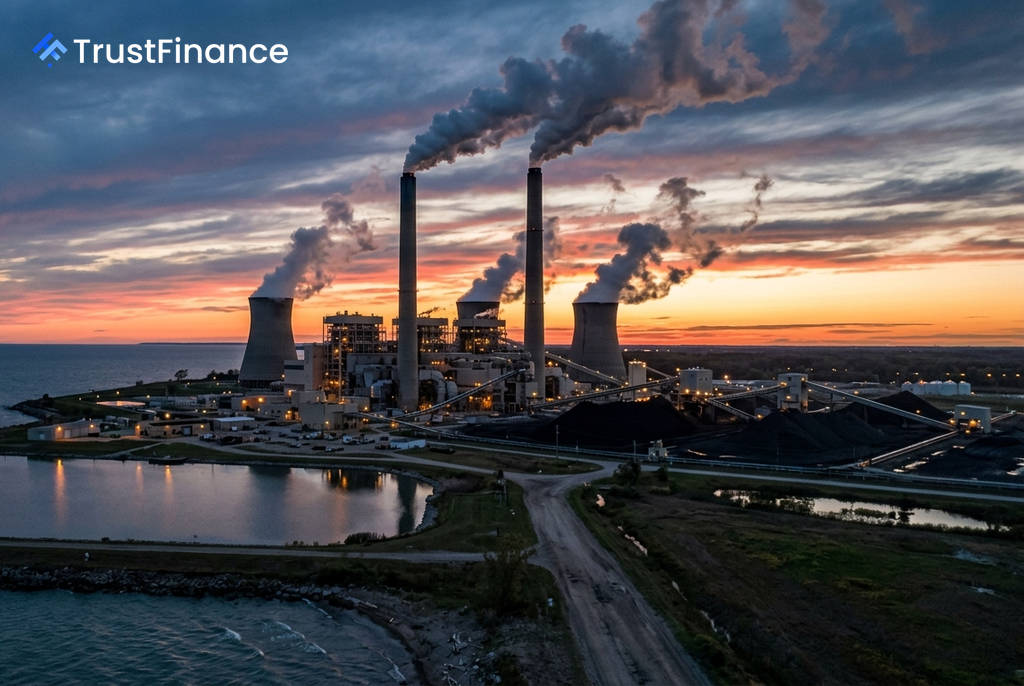
The U.S. Environmental Protection Agency is set to announce its final rule repealing the Biden administration's carbon emission limits for coal- and gas-fired power plants, a significant reversal of federal climate policy.
The U.S. Environmental Protection Agency (EPA) will finalize a rule on Monday repealing carbon emission limits for the nation's power plants, according to a Reuters report. The move marks a key step in the Trump administration's efforts to unwind major climate policies it argues have constrained domestic energy production.
The formal announcement is slated to occur on the sidelines of a G20 energy ministers' meeting in Houston. Global officials are gathering there to discuss topics including energy security and "regulatory efficiency."
Policy Reversal and Economic Impact
The final rule reverses regulations established under the Biden administration designed to curb greenhouse gas emissions from the power sector. The electricity industry is responsible for nearly a quarter of all U.S. greenhouse gas pollution.
According to EPA Administrator Lee Zeldin, the repeal is projected to save companies $120 million a year in compliance costs. The administration first proposed repealing the rules, which also covered mercury and other air pollutants, in June of last year.
 Ad
AdClimate and Environmental Implications
The original Biden-era rules were a central component of the previous administration's climate strategy. They were projected to reduce greenhouse gas emissions by 1 billion metric tons by 2047.
Environmental groups have strongly opposed the repeal. Maggie Coulter, an attorney at the Center for Biological Diversity’s Climate Law Institute, criticized the move as "utterly reckless" in a statement on Monday. She argued the decision ignores significant climate pollution and will lead to more severe impacts from heatwaves, storms, and wildfires, asserting that the costs to public health and the environment would exceed any corporate savings.
Read next
More on Commodities
Wheat Futures Decline Amid Black Sea Diplomatic Hopes and Lack of Fresh Catalysts
Chicago wheat futures closed lower on Thursday as traders weighed reports of a potential shipping truce in the Black Sea, while U.S. export sales data offered no bullish surprises.

US to Grant Visas to Iranian President for UN General Assembly Amid Ongoing Conflict
The U.S. State Department will allow a delegation of top Iranian officials, including President Masoud Pezeshkian, to attend the UN General Assembly in New York, despite the ongoing military conflict between the two nations.

JPMorgan Abandons Oil Market Baseline Amid Extreme Geopolitical Uncertainty
JPMorgan Chase no longer holds a clear baseline view for oil markets, citing an inability to model the endgame of ongoing Middle East conflicts that have driven Brent crude above $100 per barrel.

JP Morgan Withdraws Oil Market Forecast, Citing 'No Clear Endgame' in Iran Conflict
The investment bank has abandoned its baseline view on oil for the first time since the Middle East conflict began, stating it cannot model an outcome amid significant supply disruptions and demand destruction.