
Story
Treasury Secretary Bessent Calls 50% Tariffs on Canada 'Reciprocity' for Trade Actions
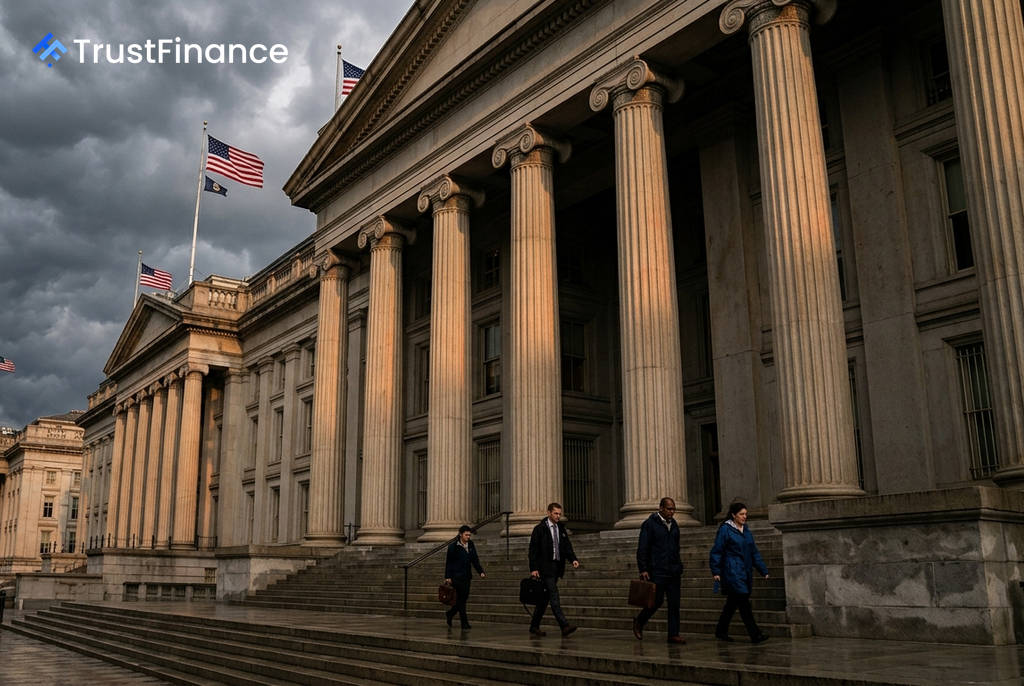
U.S. Treasury Secretary Scott Bessent on Tuesday defended the administration's new 50% tariffs on Canadian goods, characterizing the move as "reciprocity" for what he termed Ottawa's discriminatory trade practices. The comments, made to Fox Business Network, follow a significant escalation in trade tensions between the two countries.
Bessent Justifies Tariff Action
In an interview on the "Mornings with Maria" program, Bessent stated the new levies are a direct response to Canada's trade policies affecting U.S. companies. He specifically pointed to actions by Ottawa on American dairy, alcohol, and beverage products, which he said were being removed from Canadian shelves.
"This is really just reciprocity in terms of what they’ve done to our great U.S. companies," Bessent said, according to Reuters. He accused Canada of being "highly discriminatory," particularly regarding dairy imports.
Scope of the New US Tariffs
The Treasury Secretary's remarks came a day after President Donald Trump announced the new tariffs. The measures are set to impact a wide range of imports from Canada.
 Ad
Key details of the tariff announcement include:
- A tariff rate of 50%.
- An estimated value of nearly $20 billion in targeted Canadian goods.
Context of the Trade Dispute
The U.S. action is the latest in a series of tit-for-tat trade measures between the two major trading partners. Washington's move comes after Canada imposed its own retaliatory tariffs on several U.S. exports, including autos, steel, aluminum, and liquor.
Bessent's comments also highlighted longstanding U.S. complaints over Canada's high dairy tariffs, which have been a persistent point of friction in bilateral trade relations. The latest tariffs signal a deepening of the dispute, creating further uncertainty for businesses and investors exposed to cross-border trade.
Read next
More on Commodities
U.S. Crude Inventories Post Surprise Draw While Gasoline Stocks Swell, EIA Reports
U.S. crude oil stockpiles fell unexpectedly last week, driven by a surge in exports, while gasoline inventories saw a significant build amid weakening demand, according to the latest EIA data.

UBS Raises Year-End Brent Forecast to $110 on Middle East Supply Risks
UBS has increased its year-end forecast for Brent crude to $110 per barrel, citing escalating supply risks in the Middle East, declining global inventories, and record-high freight costs.

Iran Dismisses Latest Qatari Peace Proposal as 'Unacceptable'
A senior Iranian official has rejected the latest Qatari-mediated draft deal to end the eight-month war, calling the ideas 'unacceptable' and signaling a continued diplomatic impasse. The news comes amid rising oil prices following attacks on Saudi energy infrastructure.

Argentina Poised to Gain EU Soymeal Market Share as Deforestation Rules Hit Brazil
Argentina's soybean industry is preparing to capture a larger share of the European Union's soymeal market as new EU anti-deforestation rules are expected to disrupt exports from rival Brazil.