
Story
Texas Judge Rules TikTok Violated Consumer Law Over Child Safety Features
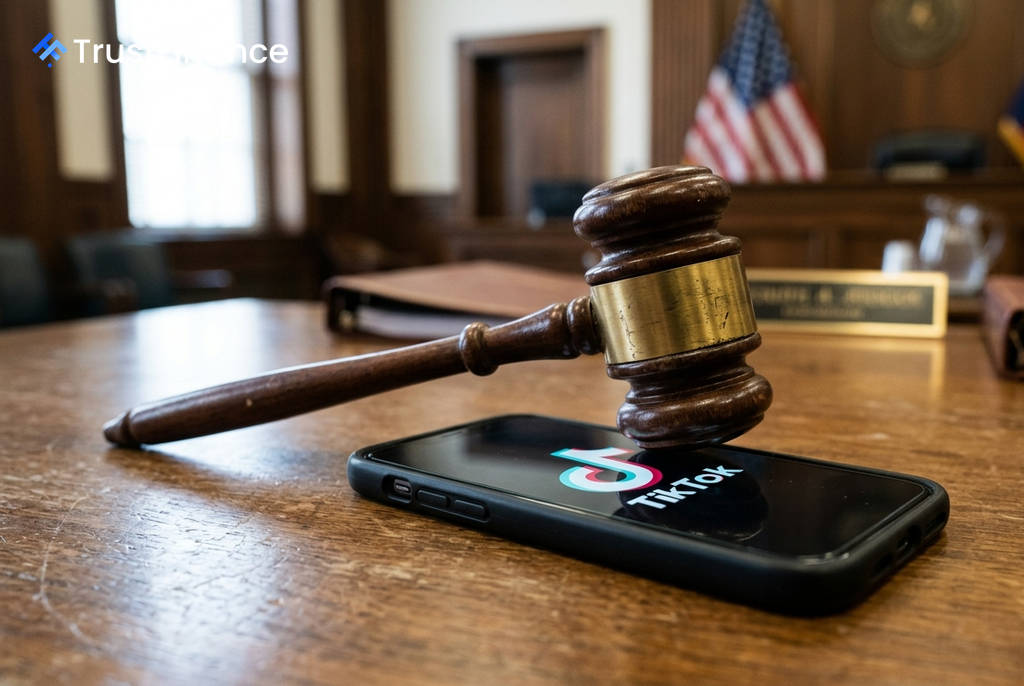
A Texas judge ruled Thursday that TikTok violated the state’s consumer protection law by misleading users about the effectiveness of its child safety features and how it filtered inappropriate content for minors.
The ruling by Judge Cory Liu establishes that the social media platform made deceptive claims about its 'Restricted Mode' feature, clearing the way for the state's lawsuit to proceed to trial.
Details of the Ruling
Judge Liu's decision sided with arguments made by the state of Texas, which first sued TikTok in January 2025. The judge found that the state had successfully established two key points of deception:
- Content Classification: Texas alleged that TikTok told users it would remove content violating its Community Guidelines. However, the company internally classified some of this material as "hard to find" rather than "do not allow," permitting it to remain accessible on the platform. The judge agreed this practice violated state law.
- Ineffective Filtering: The court also determined that TikTok’s "Restricted Mode" did not function as advertised. The feature failed to shield minors from content that the company claimed would be filtered out, according to the ruling.
Next Steps and Market Implications
 Ad
The office of Texas Attorney General Ken Paxton stated that the case will now advance to a trial phase, where potential penalties and other remedies will be decided. According to Paxton's office, the trial is expected to be scheduled next month.
This legal setback adds to the regulatory and legal pressures facing TikTok and other social media companies over their impact on younger users. The outcome of the trial could set a precedent and lead to significant financial penalties, further influencing how platforms design and market safety features for minors.
Broader Industry Scrutiny
The ruling comes amid heightened scrutiny of social media platforms' responsibility for user well-being. In a separate matter in August, TikTok agreed to settle three U.S. lawsuits from young people who accused social media firms of designing addictive platforms that harmed their mental health. That same month, Meta Platforms reportedly agreed to pay up to $18 billion to settle similar addiction-related claims in the U.S.
TikTok did not immediately respond to a request for comment on the Texas ruling, according to Reuters.
Read next
More on Stocks
FTC Orders Walmart, Uber, Delta to Disclose Data on Personalized Pricing
The U.S. Federal Trade Commission is demanding nine major companies, including leading retail, travel, and gig economy firms, to provide information on how they use consumer data for setting individual prices and wages.

Google Launches Gemini 4 Carbon AI Model to Bolster Cybersecurity Capabilities
Alphabet's Google has unveiled Gemini 4 Carbon, its latest AI model specifically designed for advanced cybersecurity tasks like vulnerability detection and secure code generation. The launch escalates competition with rivals OpenAI and Anthropic in the enterprise AI market.

Oracle Shares Surge After Unveiling $225 Billion Revenue Target for 2030
Oracle stock rose sharply after the company presented a long-term financial outlook targeting at least $225 billion in annual revenue by fiscal 2030, driven by its expanding AI infrastructure business.

DOJ Scrutinizes Nvidia's $12.9B Hugging Face Deal Amid Broader Antitrust Probe, Sources Say
The U.S. Department of Justice is reportedly examining Nvidia's planned $12.93 billion acquisition of AI platform Hugging Face as part of a wider, ongoing antitrust investigation into the chipmaker's market conduct.