
Story
Raw Sugar Futures Hit 52-Week High on Mounting Global Supply Concerns
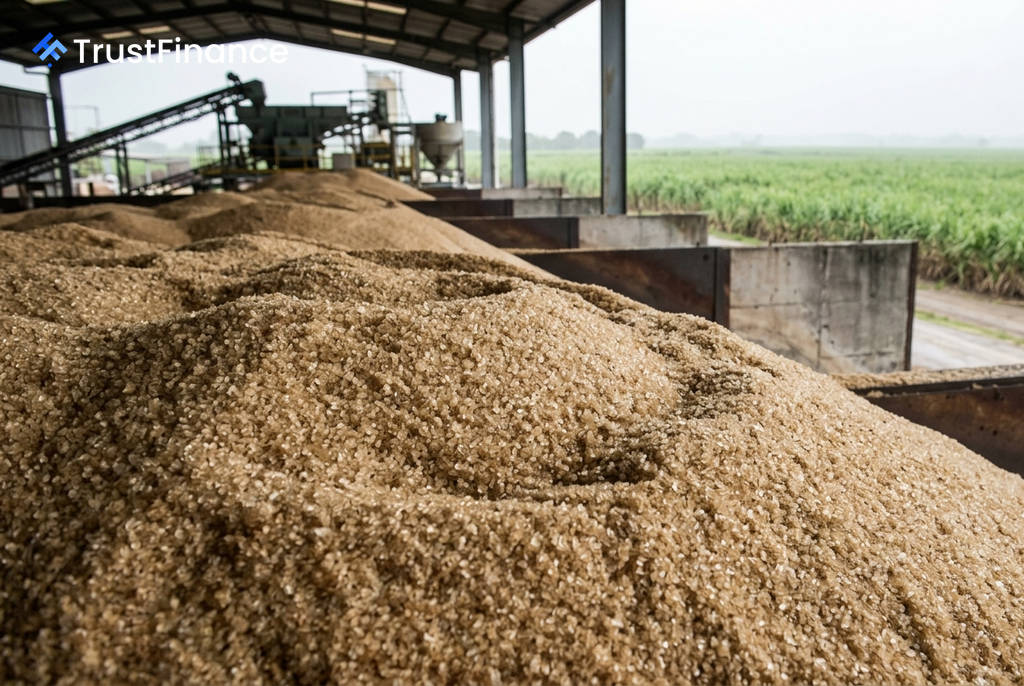
U.S. Raw Sugar No. 11 futures jumped on Tuesday, climbing 3.1% in midday trading to 17.4 cents per pound and setting a new 52-week high of 17.59 cents. The rally is being fueled by a combination of bullish fundamentals from the world's top sugar-producing nations, signaling a tightening global supply outlook.
Key Drivers: India and Brazil
The primary catalyst for the price surge stems from India, where the government is reportedly considering eliminating its 100% tariff on sugar imports. The move aims to curb runaway domestic prices, which have soared by nearly 20% since the beginning of August 2026, according to Investing.com. This potential policy shift underscores the severity of India's domestic supply shortage, driven by strong festival demand and dwindling inventories.
Supply constraints are also emerging from Brazil, the world's largest producer. In the latter half of July, sugarcane crushing in the key Center-South region fell 8.4% year-over-year. More significantly, sugar production plummeted 17.6% as mills diverted a larger portion of their sugarcane to produce ethanol, a trend encouraged by a government mandate to increase the ethanol blend in gasoline to 32%.
Widening Supply Deficit Forecast
 Ad
Reflecting these tightening conditions, several major commodity forecasters have revised their outlook for the 2026/27 season. Analysts at Covrig Analytics, Green Pool Commodity Specialists, and StoneX have all shifted their global sugar balance forecasts from a surplus to a deficit.
Concerns over India's upcoming crop are compounding the issue. Industry groups have warned that a combination of shrinking sugarcane acreage, insufficient rainfall, and immature crops makes an early start to the 2026/27 crushing season highly unlikely.
Market Impact
The rally in sugar futures occurred independently of broader market sentiment, which was negative on Tuesday. With the S&P 500 down 0.5% and the Nasdaq Composite falling 1.1%, the move in sugar was driven entirely by its own supply-and-demand fundamentals. The combination of India's import needs, Brazil's focus on ethanol, and a growing consensus of a global deficit has created a powerful catalyst for prices.
Read next
More on Commodities
U.S. Crude Inventories Post Surprise Draw While Gasoline Stocks Swell, EIA Reports
U.S. crude oil stockpiles fell unexpectedly last week, driven by a surge in exports, while gasoline inventories saw a significant build amid weakening demand, according to the latest EIA data.

UBS Raises Year-End Brent Forecast to $110 on Middle East Supply Risks
UBS has increased its year-end forecast for Brent crude to $110 per barrel, citing escalating supply risks in the Middle East, declining global inventories, and record-high freight costs.

Iran Dismisses Latest Qatari Peace Proposal as 'Unacceptable'
A senior Iranian official has rejected the latest Qatari-mediated draft deal to end the eight-month war, calling the ideas 'unacceptable' and signaling a continued diplomatic impasse. The news comes amid rising oil prices following attacks on Saudi energy infrastructure.

Argentina Poised to Gain EU Soymeal Market Share as Deforestation Rules Hit Brazil
Argentina's soybean industry is preparing to capture a larger share of the European Union's soymeal market as new EU anti-deforestation rules are expected to disrupt exports from rival Brazil.