
Story
Judge Temporarily Blocks $110 Billion Paramount, Warner Bros. Discovery Merger
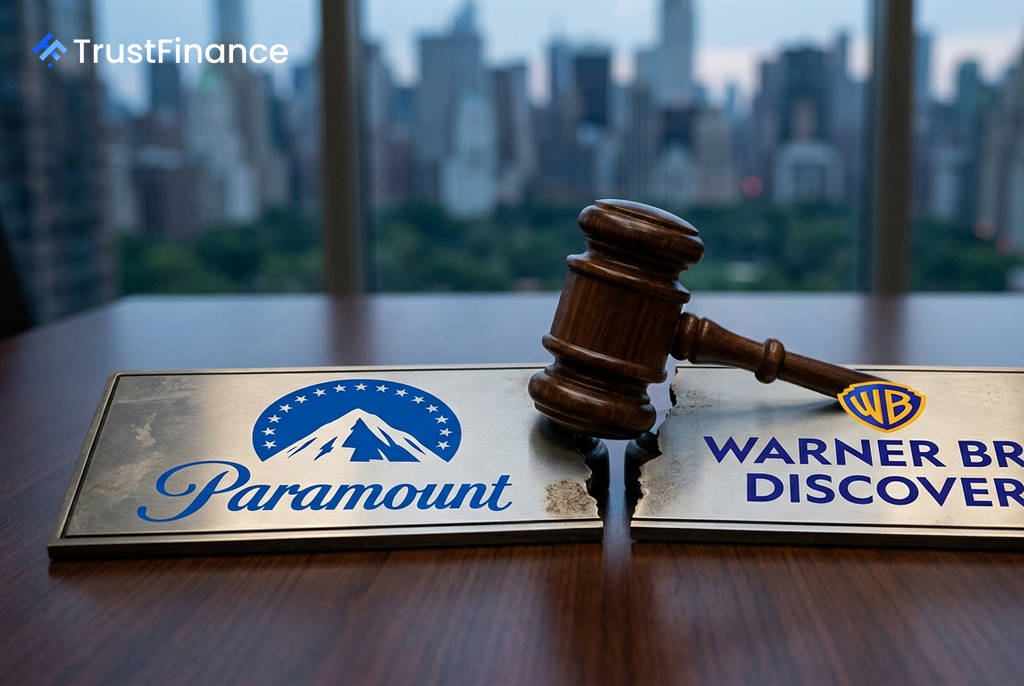
A U.S. federal judge has temporarily halted the proposed $110 billion merger between Paramount Skydance and Warner Bros. Discovery, granting a temporary restraining order sought by a coalition of state attorneys general. The order injects significant legal uncertainty into one of the largest media deals in recent years, which had already secured clearance from the U.S. Department of Justice.
The Antitrust Challenge
California District Judge Araceli Martínez-Olguín issued the 14-day restraining order on Monday, preventing the two media giants from taking further steps to finalize their combination. The ruling follows a lawsuit filed last week, led by California Attorney General Rob Bonta, which argues the merger would unlawfully concentrate market power.
The states contend that combining the companies' extensive assets would harm competition and consumers. The merged entity would control:
- Major film studios: Paramount and Warner Bros.
- Broadcast and cable networks: CBS, CNN, TNT, MTV, and BET
- Major streaming platforms: Paramount+ and HBO Max
 Ad
Financial and Timing Implications
The court's intervention is a direct setback to the companies' timeline. According to Paramount's lead trial counsel, Jeffrey Kessler, the company had intended to close the transaction as early as July 22, as reported by CNBC. The states may now seek a preliminary injunction, which could lead to more significant delays.
A prolonged legal battle could trigger costly penalties for Paramount. The merger agreement includes a quarterly "ticking fee" of 25 cents per share, or approximately $650 million in cash, payable to Warner Bros. Discovery shareholders if the deal is not completed by September 30. Furthermore, Paramount faces a $7 billion breakup fee if the acquisition ultimately fails due to regulatory hurdles.
Read next
More on Stocks
FTC Orders Walmart, Uber, Delta to Disclose Data on Personalized Pricing
The U.S. Federal Trade Commission is demanding nine major companies, including leading retail, travel, and gig economy firms, to provide information on how they use consumer data for setting individual prices and wages.

Google Launches Gemini 4 Carbon AI Model to Bolster Cybersecurity Capabilities
Alphabet's Google has unveiled Gemini 4 Carbon, its latest AI model specifically designed for advanced cybersecurity tasks like vulnerability detection and secure code generation. The launch escalates competition with rivals OpenAI and Anthropic in the enterprise AI market.

Oracle Shares Surge After Unveiling $225 Billion Revenue Target for 2030
Oracle stock rose sharply after the company presented a long-term financial outlook targeting at least $225 billion in annual revenue by fiscal 2030, driven by its expanding AI infrastructure business.

DOJ Scrutinizes Nvidia's $12.9B Hugging Face Deal Amid Broader Antitrust Probe, Sources Say
The U.S. Department of Justice is reportedly examining Nvidia's planned $12.93 billion acquisition of AI platform Hugging Face as part of a wider, ongoing antitrust investigation into the chipmaker's market conduct.