
Story
Geopolitical Tensions in Gulf and Europe Roil Energy Markets, Fuel Investor Jitters
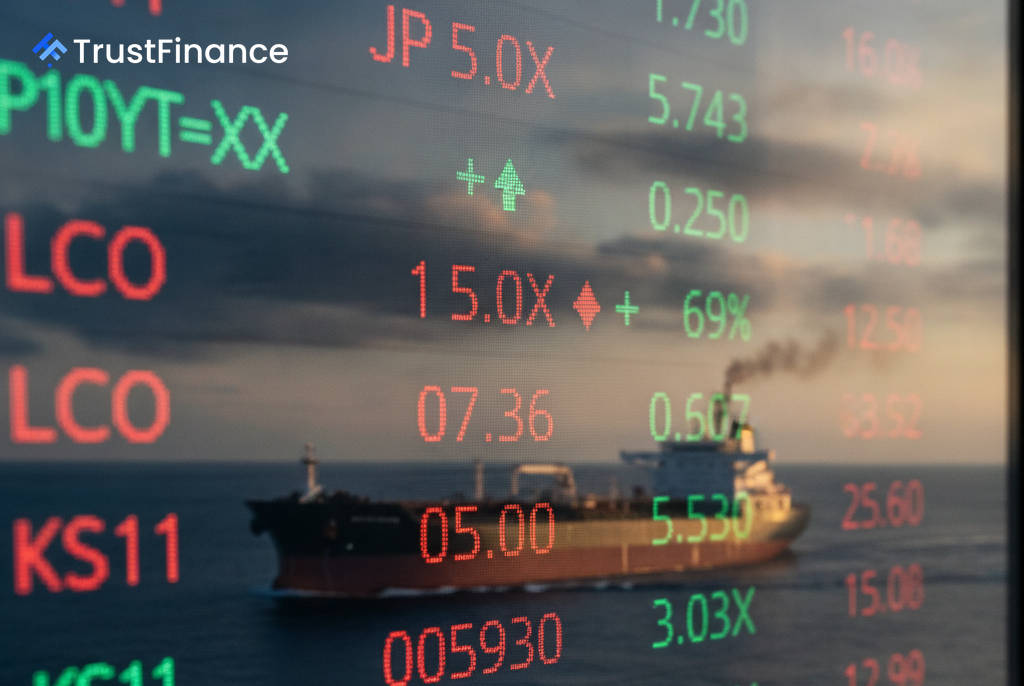
A series of tit-for-tat military strikes between the United States and Iran this week has reignited tensions in the critical Strait of Hormuz, sending ripples through global energy markets and adding a fresh layer of uncertainty for investors.
Geopolitical Flashpoints Rattle Markets
The escalation began with U.S. strikes against Iranian targets on Tuesday, which were accompanied by the revocation of sanctions waivers on Iranian oil, according to reports from Reuters. Tehran responded with strikes on U.S. bases in the region, leading to further exchanges of fire through Thursday. The conflict has disrupted shipping in the vital waterway, a chokepoint for a significant portion of the world's oil supply.
Adding to geopolitical concerns, Russia announced on Wednesday it was banning diesel exports to stabilize its domestic market. The move follows a U.S. pledge at a NATO summit to grant Ukraine a license to manufacture Patriot missile interceptors, a significant development in Kyiv's defense capabilities against Russian attacks on its energy infrastructure.
Oil Market's Balancing Act
The immediate market reaction saw oil prices jump to a multi-week high on Wednesday before easing. Brent crude, the international benchmark, remains below $80 a barrel. Traders are now weighing conflicting factors influencing the supply-demand balance.
On one hand, tanker traffic through the Strait of Hormuz was reported to be at a near standstill on Thursday, constraining supply. This complicates a recent decision by OPEC+ to boost production quotas by 188,000 barrels per day. However, should traffic resume, the market could face a potential supply glut amid signs of weakening global demand, a factor that has already prompted producers like Saudi Arabia to offer significant price discounts.
 Ad
Broader Market Jitters
Volatility in energy prices is complicating the global inflation outlook for central banks. Minutes from the U.S. Federal Reserve's June meeting, released Wednesday, showed that some participants saw a potential case for immediate rate hikes, noting that price pressures were becoming "more broad-based."
Concerns over inflation were reflected in global bond markets, with Japan's benchmark 10-year government bond yield hitting a 30-year high on Thursday before retreating. Equity markets also displayed signs of nervousness, particularly in the semiconductor sector. South Korea's chip-heavy KOSPI index briefly entered bear market territory this week, despite Samsung Electronics flagging a 19-fold jump in quarterly operating profit. Meanwhile, chipmaker SK Hynix saw its $26.5 billion U.S. share sale heavily oversubscribed ahead of its Nasdaq debut.
Looking Ahead
Investors are now bracing for a crucial week of economic data and corporate earnings. The U.S. consumer price index (CPI) for June is scheduled for release on Tuesday, which will provide a key update on inflation. The earnings season also begins, with major banks including JPMorgan, Bank of America, and Goldman Sachs set to report.