
Story
Former US Congressman David Rivera Sentenced to 10 Years for Illegal Venezuela Lobbying

Former U.S. Congressman David Rivera was sentenced to 10 years in prison on Friday for illegally lobbying American officials on behalf of the Venezuelan government. The sentence follows his conviction in May for failing to register as a foreign agent, a violation of federal law.
Sentencing and Prosecution Arguments
The sentence was delivered by U.S. District Judge Melissa Damian in a Miami federal court. Prosecutors from the Miami U.S. Attorney’s office had pushed for a "significant term of incarceration," arguing that Rivera acted on behalf of a "hostile foreign government."
According to the prosecution, Rivera was paid $20 million by the U.S. subsidiary of Venezuela’s state-owned oil company for his lobbying efforts in 2017. The activities were intended to persuade U.S. officials to ease pressure on the government of Venezuelan President Nicolas Maduro.
The Conviction and Defense
Rivera, 61, who served in the U.S. House of Representatives from 2011 to 2013, had pleaded not guilty to the charges brought against him in 2022. His defense team argued that Rivera was not working to benefit the Maduro government but was instead attempting to aid Venezuela’s opposition in removing Maduro from power.
 Ad
Despite these claims, a jury convicted Rivera in May of violating the Foreign Agents Registration Act (FARA), which requires individuals lobbying in the U.S. on behalf of foreign entities to disclose their relationships and activities to the Justice Department. Rivera's lawyers had argued he should be spared prison time.
Context of FARA Enforcement
The case underscores the U.S. government's continued enforcement of FARA, a law designed to ensure transparency in foreign influence on American politics. Violations can carry significant legal consequences, particularly when they involve governments under U.S. sanctions or with strained diplomatic relations.
The prosecution and sentencing of a former member of Congress for such activities send a strong signal about the seriousness with which the Justice Department views undisclosed foreign lobbying.
Read next
More on Commodities
U.S. Crude Inventories Post Surprise Draw While Gasoline Stocks Swell, EIA Reports
U.S. crude oil stockpiles fell unexpectedly last week, driven by a surge in exports, while gasoline inventories saw a significant build amid weakening demand, according to the latest EIA data.

UBS Raises Year-End Brent Forecast to $110 on Middle East Supply Risks
UBS has increased its year-end forecast for Brent crude to $110 per barrel, citing escalating supply risks in the Middle East, declining global inventories, and record-high freight costs.
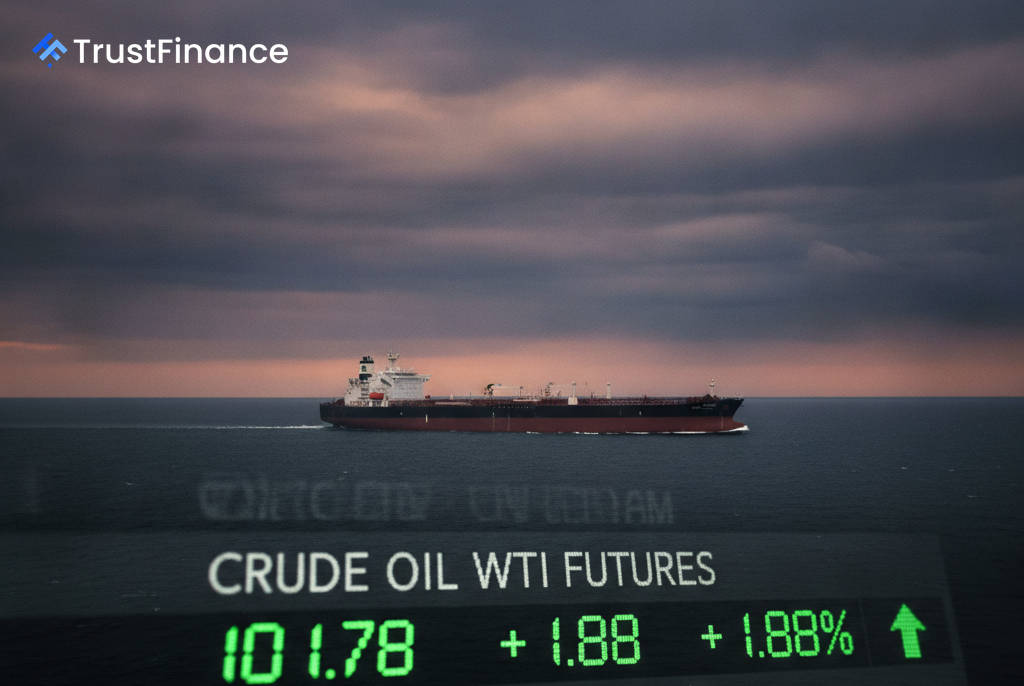
Iran Dismisses Latest Qatari Peace Proposal as 'Unacceptable'
A senior Iranian official has rejected the latest Qatari-mediated draft deal to end the eight-month war, calling the ideas 'unacceptable' and signaling a continued diplomatic impasse. The news comes amid rising oil prices following attacks on Saudi energy infrastructure.

Argentina Poised to Gain EU Soymeal Market Share as Deforestation Rules Hit Brazil
Argentina's soybean industry is preparing to capture a larger share of the European Union's soymeal market as new EU anti-deforestation rules are expected to disrupt exports from rival Brazil.