
Story
European Gas Prices Retreat as Traders Take Profits from Multi-Year Highs
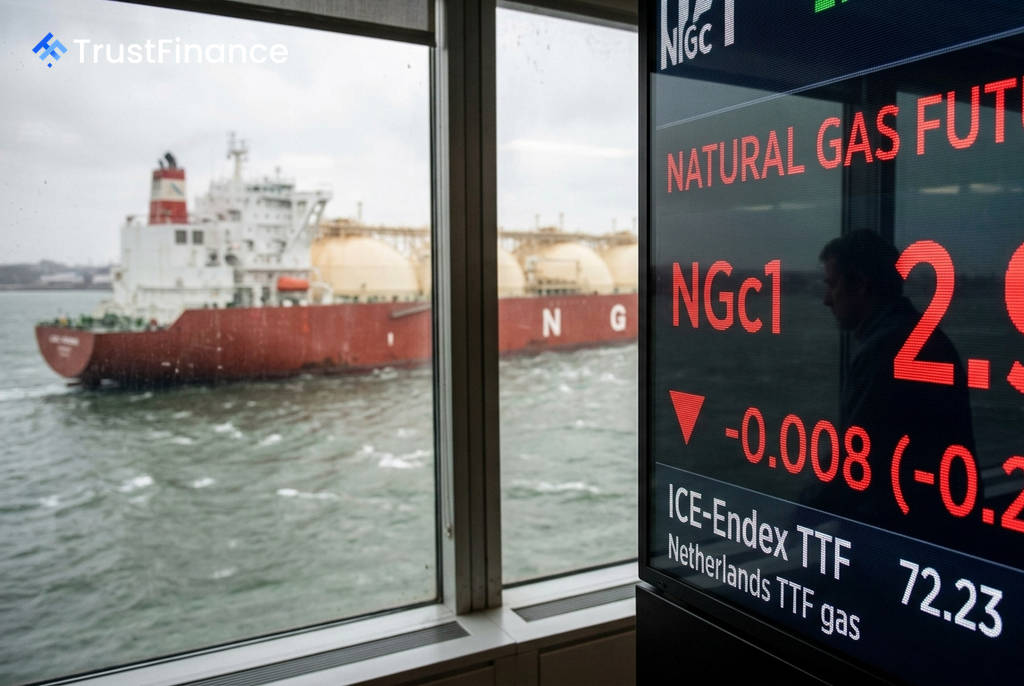
European and UK wholesale natural gas prices fell for a second consecutive session on Thursday as energy traders booked profits following a strong rally. The recent surge had pushed benchmark contracts to multi-year highs amid escalating geopolitical tensions in the Middle East.
Prices Pull Back on Profit-Taking
The benchmark Dutch Title Transfer Facility (TTF) front-month contract, a key European gas price indicator, fell 1.7% to €72.23 per megawatt-hour, retreating further from a peak of €74.32 reached earlier in the week. In the United Kingdom, the NBP wholesale contract declined 2.7% to 178.08 pence per therm, after briefly topping 183 pence in the previous session for the first time since late 2023.
Traders reportedly view the downward move as a technical correction rather than a fundamental shift in market dynamics. The profit-taking followed the recent price surge that broke through significant resistance levels formed during prior periods of conflict.
Geopolitical Risks Underpin Market
Despite the pullback, a significant geopolitical risk premium remains priced into the market due to direct military confrontations between the United States and Iran. These hostilities pose a severe threat to global liquefied natural gas (LNG) shipping lanes, particularly through the Strait of Hormuz.
 Ad
Commercial tanker traffic through the strategic chokepoint has been severely disrupted, falling to a fraction of normal levels, according to satellite tracking data cited in the source material. The strait is a critical artery for global energy, handling about one-fifth of the world's seaborne LNG trade, with most of it originating from Qatar.
Supply Competition Supports Prices
The disruption has intensified competition for alternative energy sources. European importers are now in a contest with Asian utilities to secure available spot LNG cargoes from the Atlantic Basin.
This fierce competition for a limited supply is creating a structural floor under prices. It suggests that while prices may see short-term volatility, they are likely to remain elevated as long as the significant supply risks persist.
Read next
More on Commodities
U.S. Crude Inventories Post Surprise Draw While Gasoline Stocks Swell, EIA Reports
U.S. crude oil stockpiles fell unexpectedly last week, driven by a surge in exports, while gasoline inventories saw a significant build amid weakening demand, according to the latest EIA data.

UBS Raises Year-End Brent Forecast to $110 on Middle East Supply Risks
UBS has increased its year-end forecast for Brent crude to $110 per barrel, citing escalating supply risks in the Middle East, declining global inventories, and record-high freight costs.

Iran Dismisses Latest Qatari Peace Proposal as 'Unacceptable'
A senior Iranian official has rejected the latest Qatari-mediated draft deal to end the eight-month war, calling the ideas 'unacceptable' and signaling a continued diplomatic impasse. The news comes amid rising oil prices following attacks on Saudi energy infrastructure.

Argentina Poised to Gain EU Soymeal Market Share as Deforestation Rules Hit Brazil
Argentina's soybean industry is preparing to capture a larger share of the European Union's soymeal market as new EU anti-deforestation rules are expected to disrupt exports from rival Brazil.