
Story
EU Revises Antitrust Rules to Include Sustainability Defense for Dominant Firms
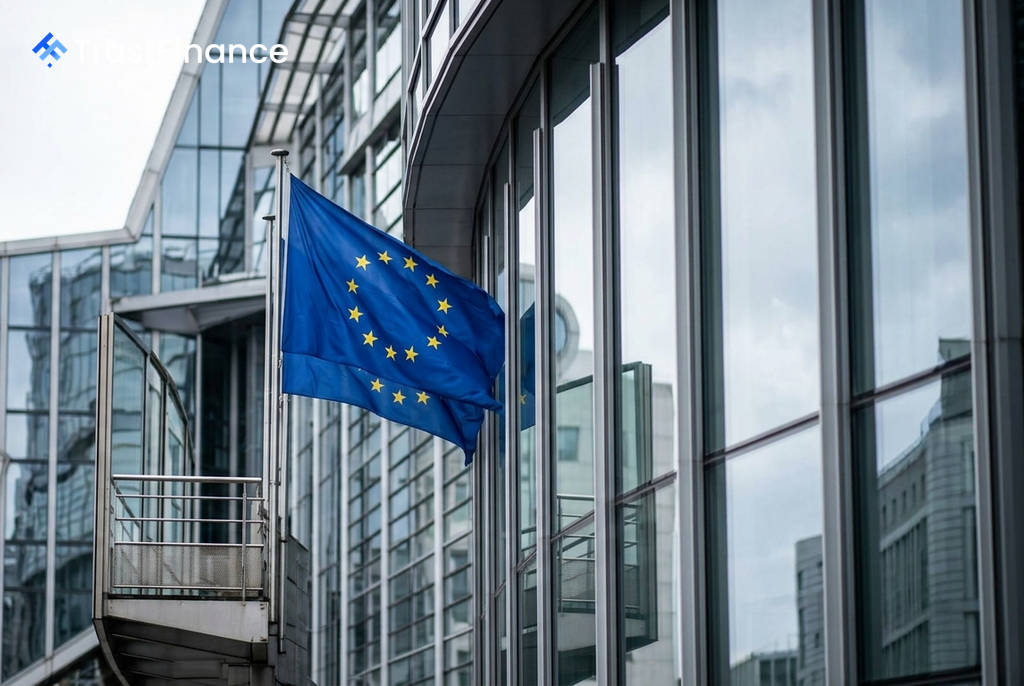
European Union regulators on Thursday announced revised antitrust guidelines that could allow dominant companies to justify business practices that might otherwise be considered anti-competitive if they contribute to sustainability. The update provides a new potential defense for firms under investigation for abusing their market power.
New Framework for Dominance
The revised guidelines pertain to Article 102 of the EU treaty, a powerful tool used to police anti-competitive behavior. The European Commission, the EU's competition enforcer, generally considers a company to be dominant if it holds a market share of more than 40%.
Under the new rules, a dominant company's actions to squeeze out rivals could be permissible if the firm can demonstrate clear sustainability benefits. According to the Commission, these could include:
- Reduced use of raw materials or less pollution.
- Increased use of recyclable products.
- The creation of more resilient supply chains.
- Significant cost-savings passed on to consumers.
These guidelines aim to help companies better assess whether they hold a dominant position and what conduct is permissible. Article 102 has been the basis for significant fines against major technology companies in recent years, including Google, Apple, and Microsoft.
Economists Voice Concerns
 Ad
The new approach has drawn swift criticism from a group of 28 leading academics and economists, including former senior economists from the Commission. In an open letter to Commission President Ursula von der Leyen and EU antitrust chief Teresa Ribera, the group warned that the rules could be exploited.
The letter stated that the guidelines "introduce presumptions and analytical shortcuts that do not distinguish appropriately between anti-competitive conduct and pro-competitive conduct." The experts argue that the new framework risks allowing companies to use sustainability as a pretext to justify unfair market dominance and stifle competition.
Implications for Markets
For companies in sectors with high sustainability relevance, such as energy, manufacturing, and technology, these revised rules could offer a new line of defense against antitrust scrutiny. This introduces a new variable for investors assessing the regulatory risk of companies with large market shares, as a firm's environmental credentials could become a factor in competition law.
However, the strong criticism from economic experts suggests that the application of these guidelines may face legal challenges and create a period of regulatory uncertainty. How regulators will weigh sustainability claims against potential harm to competition remains a key question for markets.
Read next
More on Stocks
FTC Orders Walmart, Uber, Delta to Disclose Data on Personalized Pricing
The U.S. Federal Trade Commission is demanding nine major companies, including leading retail, travel, and gig economy firms, to provide information on how they use consumer data for setting individual prices and wages.

Google Launches Gemini 4 Carbon AI Model to Bolster Cybersecurity Capabilities
Alphabet's Google has unveiled Gemini 4 Carbon, its latest AI model specifically designed for advanced cybersecurity tasks like vulnerability detection and secure code generation. The launch escalates competition with rivals OpenAI and Anthropic in the enterprise AI market.

Oracle Shares Surge After Unveiling $225 Billion Revenue Target for 2030
Oracle stock rose sharply after the company presented a long-term financial outlook targeting at least $225 billion in annual revenue by fiscal 2030, driven by its expanding AI infrastructure business.

DOJ Scrutinizes Nvidia's $12.9B Hugging Face Deal Amid Broader Antitrust Probe, Sources Say
The U.S. Department of Justice is reportedly examining Nvidia's planned $12.93 billion acquisition of AI platform Hugging Face as part of a wider, ongoing antitrust investigation into the chipmaker's market conduct.