
Story
Chinese Rare Earth Suppliers Halt Some US Shipments Amid Geopolitical Tensions, Sources Say
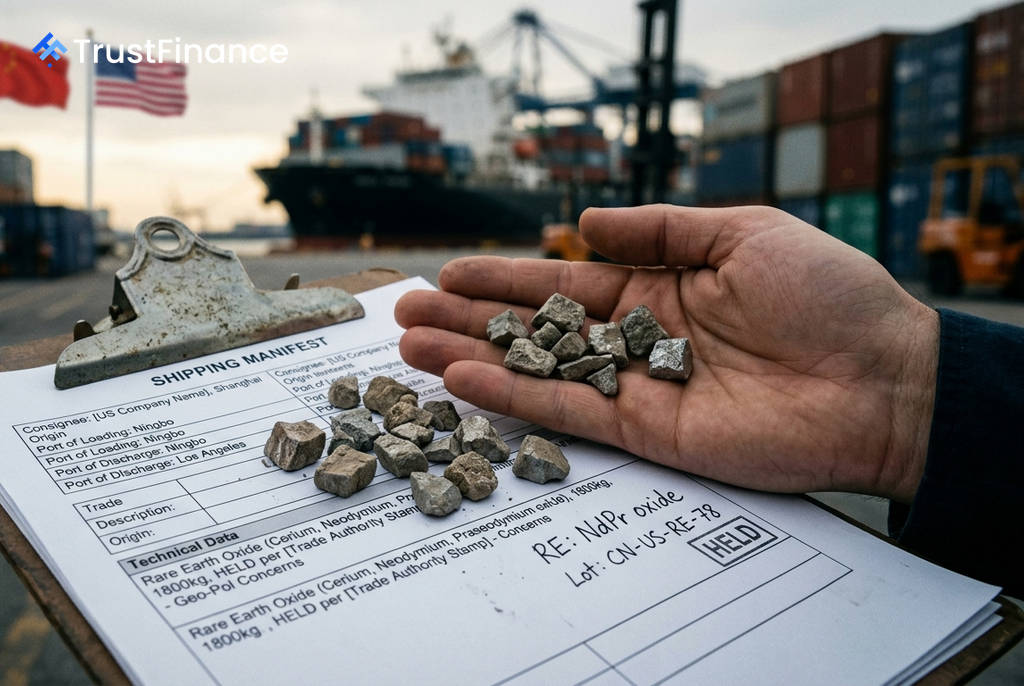
A number of Chinese rare earth suppliers are declining to ship materials to the United States, citing fears of repercussions from Beijing, according to three sources familiar with the matter. This disruption highlights persistent supply chain vulnerabilities for the U.S. and has become a significant point of contention weeks before Chinese President Xi Jinping is scheduled to visit Washington.
Supplier Concerns and Sanctions
The hesitance from suppliers has intensified since early August, when Beijing imposed sanctions on the Responsible Business Alliance (RBA), a U.S.-based supply chain monitor, a source with direct knowledge of the situation said. Chinese companies are reportedly wary of punishment for complying with the due diligence framework of the Responsible Minerals Initiative (RMI), a global audit program associated with the RBA.
Even before the August sanctions, some Chinese firms had already stopped shipments to the U.S. in recent months to avoid entanglement in geopolitical friction, two other sources noted. One source cited four instances where Chinese companies refused to ship materials over concerns they could be resold to banned entities. The total number of suppliers halting shipments could not be determined.
Market Impact and Diplomatic Pressure
The disruption is affecting U.S. industries that rely on a steady supply of these critical materials, including aerospace, chipmaking, medical devices, and energy. While overall exports of many rare earths have rebounded since China introduced restrictions in April 2025, key materials remain scarce.
- Prices for certain materials with military applications, such as yttrium, indium phosphide, and tungsten, are near record highs amid tight supply.
- U.S. imports of yttrium this year are only about half of 2024 levels, according to Chinese customs data.
- Some U.S. companies have reportedly been waiting more than six months for mineral export licenses.
 Ad
A U.S. official, speaking on condition of anonymity, confirmed that the administration continues to press Chinese counterparts on the issue. The matter is on the planning agenda for President Xi's visit on September 24, as U.S. officials urge China to honor previous commitments to ensure the smooth flow of exports.
A Global Issue
The restrictions appear to be more severe for other U.S. allies. Shipments to Indian and Japanese buyers are even more limited, two sources said. Chinese customs data shows a stark decline in exports to Japan between January and August of this year compared to the same period last year:
- Terbium exports fell to zero from 20 tons.
- Gallium shipments dropped by 65%.
- Yttrium shipments plummeted by 98%.
There are signs of a potential, temporary easing. After two months with no yttrium exports, China sent 27 tons to the U.S. in July. Reva Goujon, a geopolitical strategist at Rhodium Group, suggested Beijing may "loosen up critical raw material controls a bit around the summit to deflate U.S. allegations."
Read next
More on Stocks
FTC Orders Walmart, Uber, Delta to Disclose Data on Personalized Pricing
The U.S. Federal Trade Commission is demanding nine major companies, including leading retail, travel, and gig economy firms, to provide information on how they use consumer data for setting individual prices and wages.

Google Launches Gemini 4 Carbon AI Model to Bolster Cybersecurity Capabilities
Alphabet's Google has unveiled Gemini 4 Carbon, its latest AI model specifically designed for advanced cybersecurity tasks like vulnerability detection and secure code generation. The launch escalates competition with rivals OpenAI and Anthropic in the enterprise AI market.

Oracle Shares Surge After Unveiling $225 Billion Revenue Target for 2030
Oracle stock rose sharply after the company presented a long-term financial outlook targeting at least $225 billion in annual revenue by fiscal 2030, driven by its expanding AI infrastructure business.

DOJ Scrutinizes Nvidia's $12.9B Hugging Face Deal Amid Broader Antitrust Probe, Sources Say
The U.S. Department of Justice is reportedly examining Nvidia's planned $12.93 billion acquisition of AI platform Hugging Face as part of a wider, ongoing antitrust investigation into the chipmaker's market conduct.