
Story
China Halts Helium Exports to Secure Domestic Supply Amid Middle East Tensions
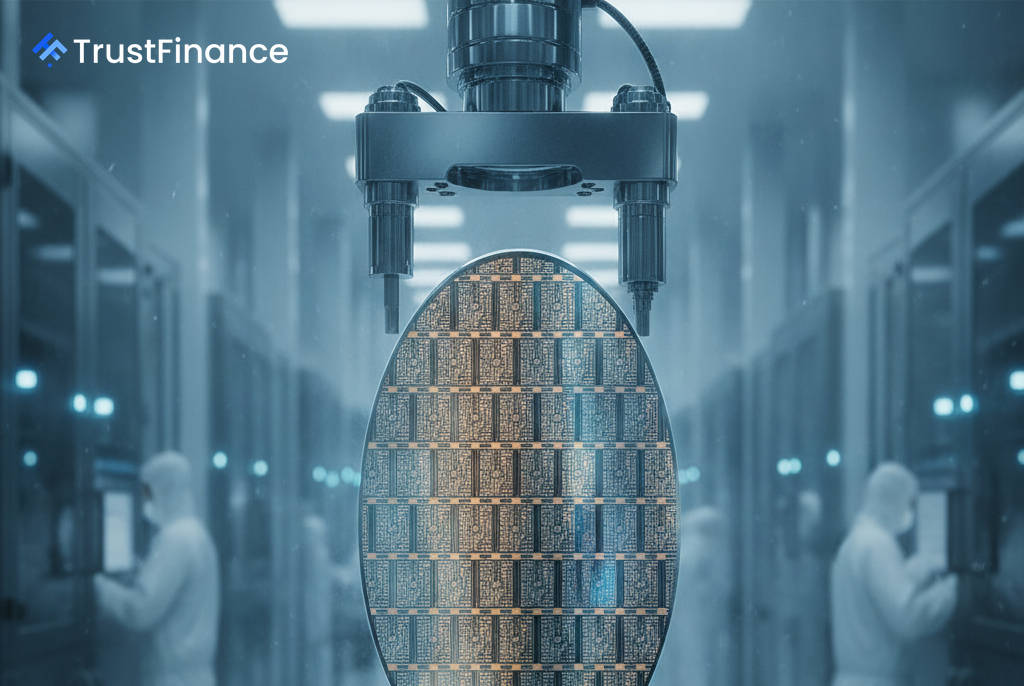
China announced an immediate, temporary ban on helium exports on Friday, a defensive measure aimed at protecting its domestic supply of the critical gas as renewed military conflict in the Middle East threatens global supply chains.
Helium is an essential component in the manufacturing of semiconductors, and the move underscores Beijing's focus on securing resources for its strategic industries, particularly its growing artificial intelligence sector which relies on domestically produced chips.
A Defensive Supply-Side Measure
The export ban is a direct response to rising geopolitical risks that could disrupt the availability of helium, according to a Reuters report citing analysts. China is highly dependent on foreign sources for the gas, with policy research firm Trivium China estimating that imports fulfill approximately 85% of the country's requirements.
"The helium export ban is a clear effort to protect domestic supply after the Iran conflict reignited," said Cory Combs, an analyst at Trivium China. The measure is designed to prevent Chinese companies from selling surplus volumes into regional Asian markets for a profit, which could exacerbate potential price spikes and shortages at home.
Limited Global Market Impact Expected
While the ban is significant for China's domestic planning, its direct impact on the global market is expected to be minimal. Analysts note that China is not a major exporter of helium, and no single country is heavily dependent on Chinese supply.
 Ad
"The export ban may have impacts at the margins, but it should not drive shortages or major price shocks," Combs added. This action follows a pattern of Beijing curbing exports of other key materials, including certain fuels and fertilizers, to ensure domestic stability.
Helium's Critical Role in Tech
Helium is a non-renewable resource extracted from natural gas fields and cannot be easily synthesized. Its unique properties make it indispensable for several high-tech manufacturing processes, particularly in the semiconductor industry, including:
- Wafer cooling and heat management
- Plasma etching
- Chemical vapour deposition
- Lithography support
China's reliance on imports makes it vulnerable to supply disruptions. Qatar, which accounts for about a third of the world's helium supply, has provided more than half of China's imports in recent years. Previous conflicts in the region have already demonstrated the fragility of this supply chain.