
Story
China Halts Helium Exports, Citing Middle East Tensions and Supply Risks
China suspended its exports of helium with immediate effect on Friday, a move intended to safeguard domestic reserves as escalating geopolitical tensions in the Middle East threaten to disrupt global supply chains for the critical industrial gas.
Safeguarding Domestic Supply
The export halt comes as renewed conflict involving Iran raises concerns about the stability of global helium shipments. According to reports, Beijing's restriction is a preemptive measure to ensure its own manufacturing sector, particularly the semiconductor industry, is insulated from potential shortages that have previously impacted global production.
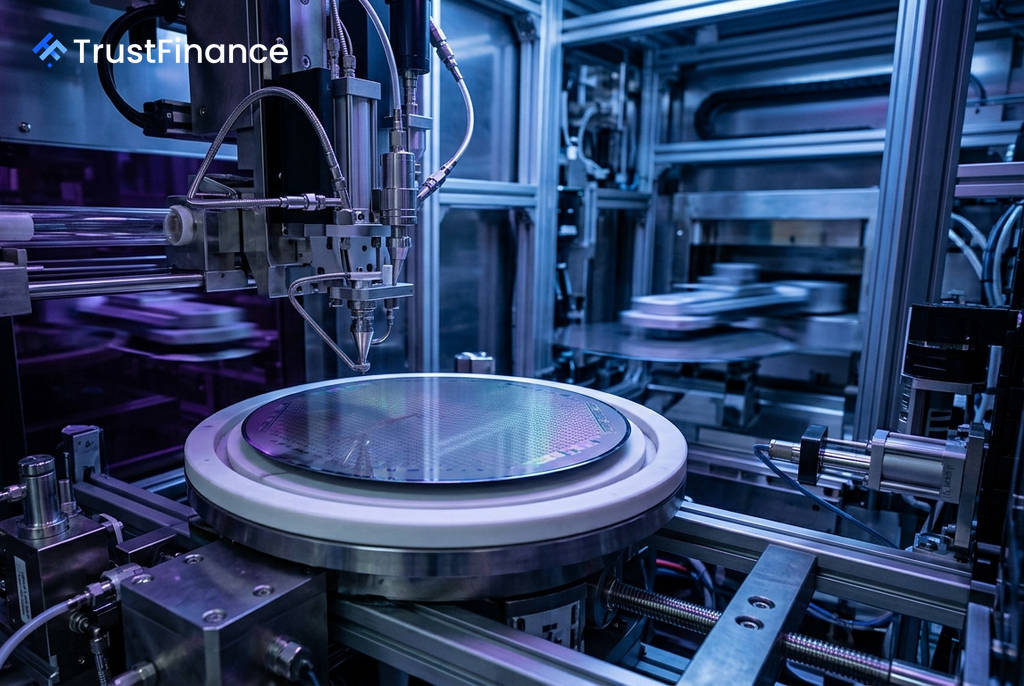
Helium is an irreplaceable component in high-tech manufacturing. It is essential for cooling equipment and is used in multiple stages of the chipmaking process, including plasma etching, chemical vapor deposition, and lithography.
A Strategic Vulnerability
Despite being a minor exporter to neighboring Asian markets, China is highly dependent on foreign sources for the gas. The country imports approximately 85% of the helium it consumes, making its industrial sector acutely vulnerable to international supply shocks.
 Ad
Qatar, one of the world's largest helium producers, has historically supplied more than half of China's imports. Previous disruptions in the Gulf region linked to regional conflicts have already demonstrated the fragility of this supply chain, leading to market volatility.
Broader Market Context
This is not an isolated action by Beijing, which has previously curbed exports of other strategic materials—including certain fuels, fertilizers, and sulphuric acid—to prioritize domestic needs during periods of market stress. As helium cannot be synthesized on an industrial scale and is primarily extracted from natural gas fields, its availability is finite and subject to geopolitical and logistical risks.
The suspension introduces another layer of uncertainty for the global semiconductor industry, which is already navigating complex supply dynamics. Any prolonged disruption could have knock-on effects for electronics manufacturers and other high-tech sectors worldwide.