
Story
BYD Inquires About Idled Stellantis Plant in Canada Amid US Trade Tensions
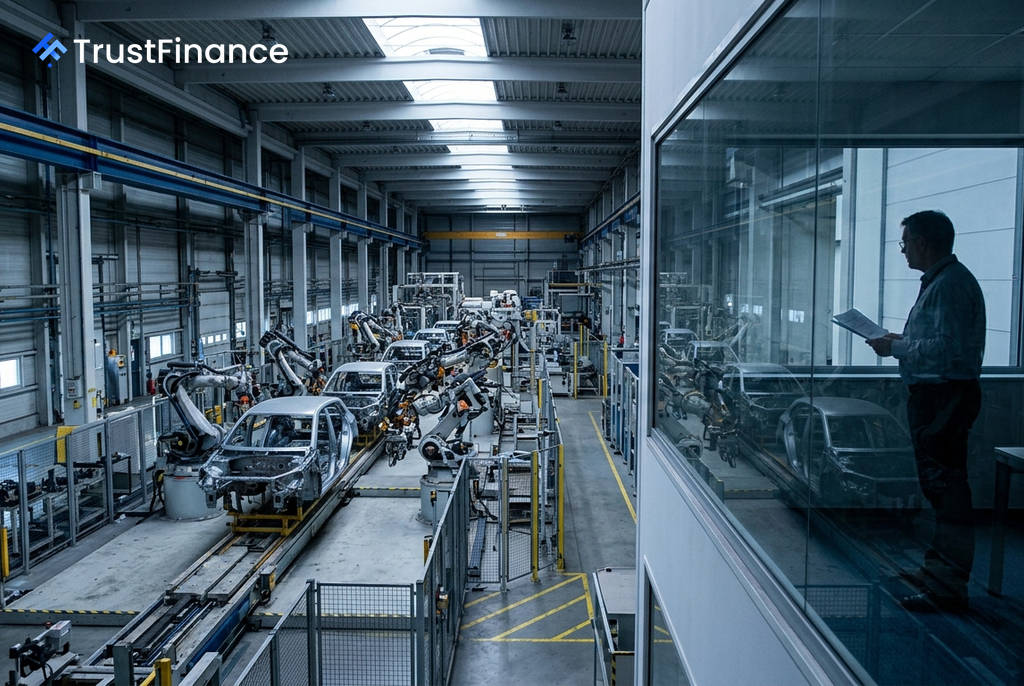
Chinese electric vehicle manufacturer BYD Co. has inquired about acquiring an idled Stellantis NV factory in Brampton, Ontario, according to the city's mayor. The interest signals how ongoing trade friction with the United States could be reshaping foreign investment in Canada's automotive industry.
Details of the Inquiry
Patrick Brown, the mayor of Brampton, stated that BYD approached him approximately six months ago to discuss the possibility of manufacturing buses at the facility. According to Brown, the city has also received inquiries from two other potential suitors:
- Leapmotor International, a joint venture between China's Zhejiang Leapmotor Technology Co. and Stellantis itself.
- An unnamed Italian automaker.
BYD, which previously produced buses in another Toronto suburb, does not currently manufacture passenger cars or trucks in Canada or the US.
Impact of US Trade Policy
 Ad
The future of the 40-year-old Brampton plant has been uncertain since Stellantis halted a planned retooling for the Jeep Compass last year. That decision came after the US implemented tariffs on foreign-made automobiles, which heavily impacts the Canadian auto sector as most of its production is exported to the US.
The plant has not produced any vehicles since late 2023. According to Mayor Brown, Stellantis conveyed that "as long as there's tariffs on autos, there's no business case for auto jobs in Canada." Unifor, the union representing the plant's workers, said this month that Stellantis is considering selling the facility.
Context: A Shifting Landscape
The interest from Chinese automakers comes as Canada appears to be exploring new partnerships in response to US protectionism. In January, the Canadian government reportedly finalized a deal to lower tariffs on Chinese electric vehicles.
The stated goal of that policy was to generate "new Chinese joint-venture investment in Canada" and "create new auto manufacturing careers for Canadian workers," according to a statement attributed to the Prime Minister's office. This strategic pivot could attract companies like BYD looking for a North American manufacturing base outside the direct reach of certain US tariffs.
Read next
More on Stocks
FTC Orders Walmart, Uber, Delta to Disclose Data on Personalized Pricing
The U.S. Federal Trade Commission is demanding nine major companies, including leading retail, travel, and gig economy firms, to provide information on how they use consumer data for setting individual prices and wages.

Google Launches Gemini 4 Carbon AI Model to Bolster Cybersecurity Capabilities
Alphabet's Google has unveiled Gemini 4 Carbon, its latest AI model specifically designed for advanced cybersecurity tasks like vulnerability detection and secure code generation. The launch escalates competition with rivals OpenAI and Anthropic in the enterprise AI market.

Oracle Shares Surge After Unveiling $225 Billion Revenue Target for 2030
Oracle stock rose sharply after the company presented a long-term financial outlook targeting at least $225 billion in annual revenue by fiscal 2030, driven by its expanding AI infrastructure business.

DOJ Scrutinizes Nvidia's $12.9B Hugging Face Deal Amid Broader Antitrust Probe, Sources Say
The U.S. Department of Justice is reportedly examining Nvidia's planned $12.93 billion acquisition of AI platform Hugging Face as part of a wider, ongoing antitrust investigation into the chipmaker's market conduct.