
Story
Yen Surges on Rate Hike Bets, Lifting Asian Currencies Against Weaker Dollar
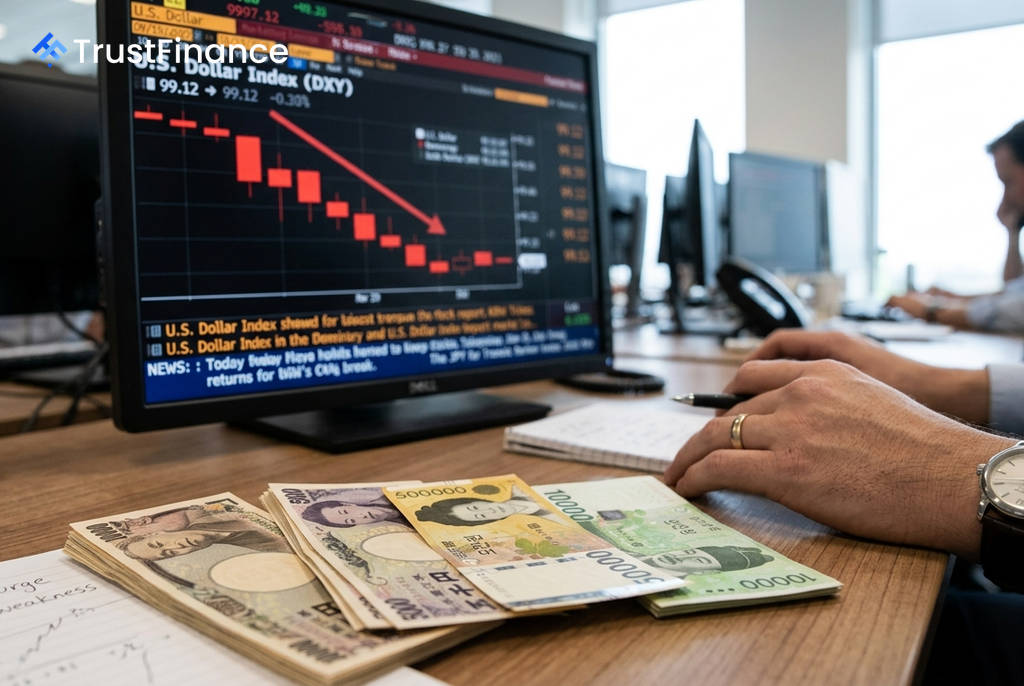
Asian currencies broadly strengthened on Monday, led by a significant rally in the Japanese yen and a surge in the South Korean won to a near two-year high. The U.S. dollar remained on the defensive as investors weighed the likelihood of a Federal Reserve rate hike against shifting global monetary policy expectations.
Yen Rally Accelerates on Policy Shift Cues
The Japanese yen continued its upward momentum, with the USD/JPY pair trading near 156.14, marking the currency's strongest level in over a month. The yen gained 2.7% last week, its best weekly performance since July, according to Investing.com data.
The rally is fueled by two primary factors. First, traders are increasingly pricing in a 25 basis point interest rate hike by the Bank of Japan at its September 18 meeting. Second, the risk of direct currency intervention remains elevated after Japan's top currency diplomat, Atsushi Mimura, stated on Friday that he was alert to exchange-rate movements. This follows a record $87.8 billion drop in Japan's foreign securities holdings in August, which a Finance Ministry official linked to the $98.6 billion (15.4 trillion yen) spent supporting the currency through August 26.
Won Hits Two-Year High on Tech Rally
The South Korean won was another standout performer, strengthening to 1,334.70 against the dollar, its best level since October 2024. The currency's gains were supported by a rally in major semiconductor stocks, including Samsung Electronics and SK Hynix.
 Ad
Strong foreign capital inflows also bolstered the won, with overseas investors purchasing over 800 billion won ($598 million) of Korean shares, extending a three-day buying streak. Meanwhile, the U.S. dollar index, which measures the greenback against a basket of currencies, hovered around 99.2, near recent lows, despite markets pricing in a 57% probability of a Fed rate hike this month.
Market Outlook and Regional Divergence
Performance across the region was mixed. The Indian rupee extended recent gains, while the Philippine peso remained a laggard, having fallen 6.2% this year, making it the region's worst-performing currency due to its high vulnerability to oil prices.
Investors are now turning their attention to key upcoming economic events that could drive currency markets. These include U.S. consumer price inflation data due this week and the pivotal Bank of Japan policy decision on September 18. The European Central Bank is also widely expected to raise interest rates this week.
Read next
More on Forex
Polish Zloty Hits 11-Month Low Against Euro on Energy Price Pressure
The Polish zloty weakened to 4.410 against the euro, its lowest point since November 2023, as rising energy prices and caution ahead of a U.S. Federal Reserve decision weighed on the currency.

Sterling Slips as Dollar Strengthens Ahead of Fed Decision and UK Budget
The British pound lost ground against a resurgent U.S. dollar on Wednesday as market attention shifted from tech sector volatility to upcoming central bank decisions and the UK budget announcement.

Eurozone Bond Yields Climb as French Fiscal Concerns Return Ahead of Fed, ECB Decisions
Yields on French and German government bonds rose as relief from a ratings affirmation for France proved temporary, with investors refocusing on fiscal challenges and awaiting key policy verdicts from the U.S. Federal Reserve and the European Central Bank.

Canadian Dollar Slips as Markets Await Bank of Canada, Fed Decisions
The Canadian dollar edged lower against its U.S. counterpart, snapping a seven-day winning streak as investors adopted a cautious stance ahead of Wednesday's key interest rate announcements from both the Bank of Canada and the U.S. Federal Reserve.