
Story
Yen Jumps as Japan Signals Major Pension Fund Policy Shift
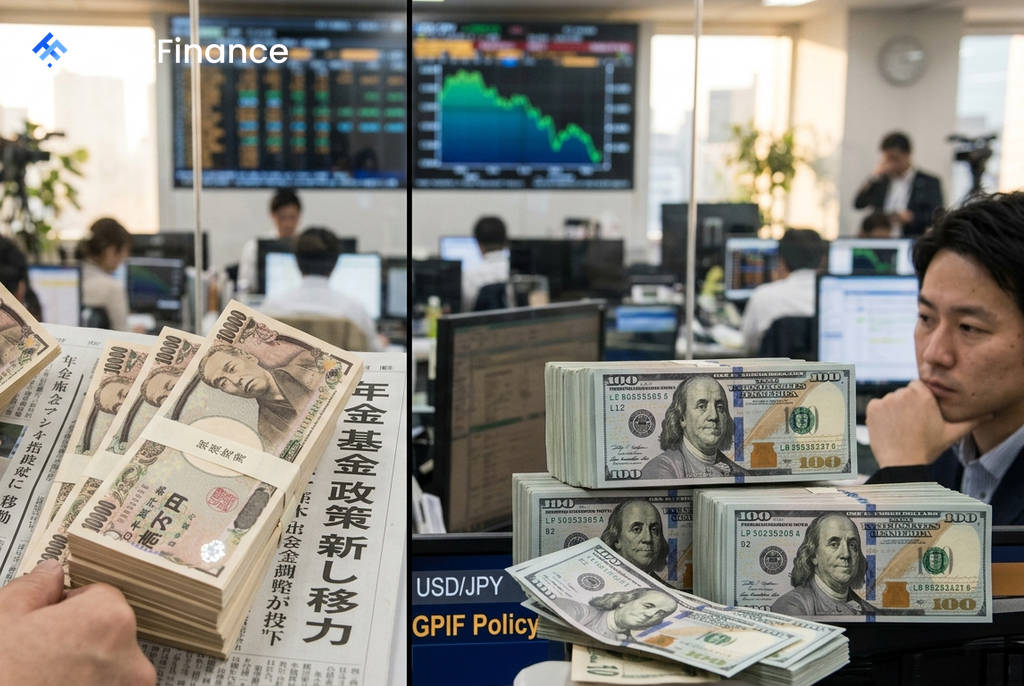
The Japanese yen rallied on Friday after officials indicated a potential structural policy shift designed to encourage the nation's colossal government pension fund to invest more heavily in domestic assets. Meanwhile, the U.S. dollar held a narrow range, closing the week with a slight gain as traders assessed mixed signals on inflation and monetary policy.
Japan Eyes Pension Fund Repatriation
The yen's sharp move followed an announcement from newly appointed Finance Minister Satsuki Katayama that Tokyo is considering measures to scale up domestic allocations by the Government Pension Investment Fund (GPIF), the source reported. The potential for a significant portion of the GPIF's assets to be repatriated created immediate structural demand for the Japanese currency.
Key details include:
- The GPIF is the world's largest pension fund, managing 293.6 trillion yen ($1.81 trillion) in assets.
- The prospect of this policy shift sent the USD/JPY pair down 0.4% to 161.73.
- Japanese 10-year government bond yields fell 3.4% as prices rose on expectations of increased domestic buying.
 Ad
This move signals a new strategy by Japanese authorities to support the yen. It marks a departure from costly direct market interventions, which have struggled to counteract the currency's decline driven by the wide interest rate differential between the Bank of Japan and the U.S. Federal Reserve.
Dollar Awaits Inflation Data
The U.S. dollar saw muted activity, with the dollar index, which measures the greenback against six major currencies, rising 0.1% to 100.96 for a weekly gain of 0.1%. Currency markets weighed conflicting factors, including geopolitical tensions, fluctuating oil prices, and a divided Federal Reserve, as revealed in the minutes from its June meeting.
Investor focus is now squarely on next week's U.S. inflation reports, with the Consumer Price Index (CPI) due on Tuesday and the Producer Price Index (PPI) on Wednesday. Analysts are watching to see if May's inflation readings, which were elevated by a temporary spike in oil prices, marked a peak. "Top of mind for Wall Street will be whether getting back to a 2-handle is in the cards by December," said José Torres, senior economist at Interactive Brokers, in a comment cited by the source.