
Story
Yen Hovers Near 40-Year Low as Oil Surge Creates Mixed Picture for Asian Currencies
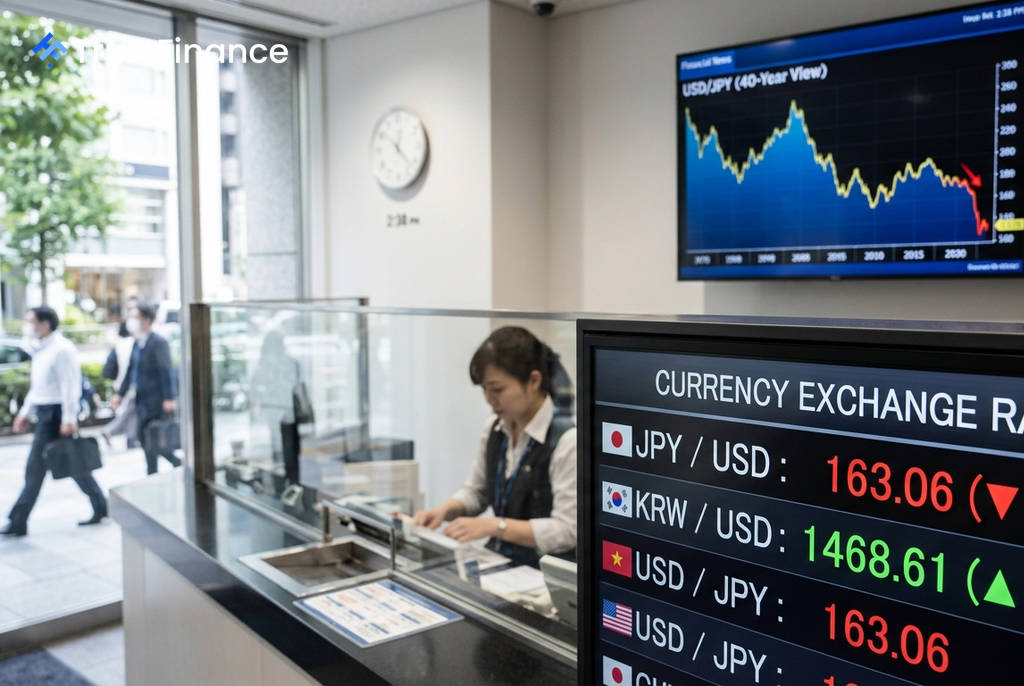
The Japanese yen steadied near a four-decade low on Thursday as markets weighed the potential for official intervention, while other Asian currencies saw mixed trading amid pressure from rising oil prices and divergent domestic economic signals.
Yen Under Pressure Amid Intervention Watch
The yen traded at 163.06 per dollar, holding close to the 1986 low of 163.23 reached earlier in the week. The currency's weakness has intensified scrutiny on the Bank of Japan (BOJ) ahead of its July 31 policy meeting. According to recent reports, BOJ policymakers are growing more open to a faster pace of interest rate hikes, reflecting concerns that the prolonged yen depreciation is fueling inflation.
Japanese finance ministry officials have also reiterated that authorities are prepared to act against excessive currency movements, keeping investors on alert for potential intervention. Despite this, the central bank is still widely expected to hold rates steady at its upcoming meeting, though market expectations for a hike later this year have modestly increased.
Regional Currencies Diverge on Data and Oil
Broader sentiment in Asia was dampened by a surge in oil prices, with Brent crude holding above $95 a barrel due to escalating hostilities in the Middle East. Higher energy costs typically weigh on the currencies of major importers in the region and support the U.S. dollar.
 Ad
However, strong domestic data provided a boost to some currencies:
- The South Korean won was a top performer, with the USD/KRW pair falling 0.6% to 1,468.61. The currency strengthened after data showed South Korea's economy grew by 0.6% in the second quarter, beating forecasts of 0.4% and fueling expectations for another Bank of Korea interest rate hike.
- The Australian dollar also gained, with the USD/AUD pair falling 0.3% to 0.7016. The move followed a robust labor market report showing the unemployment rate held steady at 4.4%, reinforcing views that the Reserve Bank of Australia could resume monetary tightening.
Central Bank Policies Steer Rupee and Rupiah
In Indonesia, the rupiah was little changed after Bank Indonesia unexpectedly held its benchmark interest rate at 5.75%. Instead of another hike, the central bank announced measures aimed at attracting foreign capital to support the currency. The USD/IDR pair traded around 17,891.
Elsewhere, the Indian rupee saw modest movement, with the USD/INR pair edging higher to 96.64. According to analysts at Citi, the rupee may find medium-term support from a Reserve Bank of India foreign-currency swap program, which is expected to boost the nation's foreign exchange reserves.
Read next
More on Forex
Polish Zloty Hits 11-Month Low Against Euro on Energy Price Pressure
The Polish zloty weakened to 4.410 against the euro, its lowest point since November 2023, as rising energy prices and caution ahead of a U.S. Federal Reserve decision weighed on the currency.

Sterling Slips as Dollar Strengthens Ahead of Fed Decision and UK Budget
The British pound lost ground against a resurgent U.S. dollar on Wednesday as market attention shifted from tech sector volatility to upcoming central bank decisions and the UK budget announcement.

Eurozone Bond Yields Climb as French Fiscal Concerns Return Ahead of Fed, ECB Decisions
Yields on French and German government bonds rose as relief from a ratings affirmation for France proved temporary, with investors refocusing on fiscal challenges and awaiting key policy verdicts from the U.S. Federal Reserve and the European Central Bank.

Canadian Dollar Slips as Markets Await Bank of Canada, Fed Decisions
The Canadian dollar edged lower against its U.S. counterpart, snapping a seven-day winning streak as investors adopted a cautious stance ahead of Wednesday's key interest rate announcements from both the Bank of Canada and the U.S. Federal Reserve.