
Story
X Accuses Australia of Undermining International Law With Proposed Social Media Rules
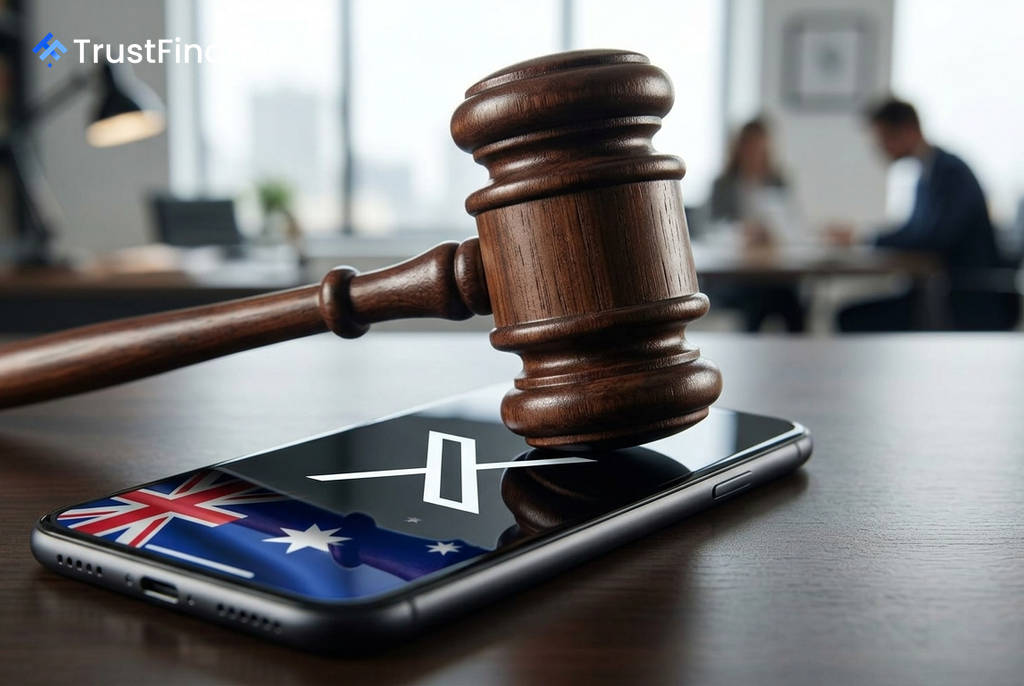
Elon Musk's X has formally accused Australia of undermining international law with proposed legislation aimed at strengthening a ban on social media use for teenagers under 16. In a submission to a senate committee, the company argued the new rules would grant the country's internet regulator unfair information-gathering powers that conflict with U.S. law and global legal norms.
X Challenges Proposed Enforcement Powers
X's submission, published Tuesday, targets planned amendments that would give Australia's eSafety Commissioner broader rights for document discovery and double the maximum potential fine to A$99 million ($69 million). The social media platform contended the changes lack "due regard to procedural fairness, privacy, the broader impacts on online services, and Australia’s digital economy."
The company stated that compelling a person or entity outside Australia to provide documents simply for being "affiliated" with a company is in "clear conflict" with international legal principles. X warned the move "raises potential for a severe impact on international comity," a term referring to the mutual respect between different countries' legal systems.
Regulator Seeks Broader Authority
Australia's world-first law barring social media accounts for users under 16 took effect last December, but regulators say enforcement has been difficult. The eSafety Commissioner told the senate panel its current, limited power to compel documents hinders investigations, making it overly dependent on "representations from providers about their own compliance."
 Ad
The regulator also noted it lacks the authority to demand documents from third-party age assurance providers hired by platforms, creating "significant" barriers to its work. According to eSafety, it is preparing potential enforcement lawsuits against five platforms but is slowed by its current limited powers.
Broader Industry and Political Context
The dispute adds a geopolitical dimension to the debate over regulating social media, with a U.S. congressional committee having already asked the eSafety Commissioner to testify over concerns about free speech. Data published by the regulator has shown that despite the ban, most Australian teenagers under 16 still maintain social media accounts.
Other tech companies have also voiced concerns. In separate submissions, Google’s YouTube and TikTok argued there is no known failsafe method to effectively identify and block all underage users. The Australian parliament has not yet passed the bill for greater enforcement powers, and the senate committee is scheduled to deliver its findings on August 25.
Read next
More on Stocks
FTC Orders Walmart, Uber, Delta to Disclose Data on Personalized Pricing
The U.S. Federal Trade Commission is demanding nine major companies, including leading retail, travel, and gig economy firms, to provide information on how they use consumer data for setting individual prices and wages.

Google Launches Gemini 4 Carbon AI Model to Bolster Cybersecurity Capabilities
Alphabet's Google has unveiled Gemini 4 Carbon, its latest AI model specifically designed for advanced cybersecurity tasks like vulnerability detection and secure code generation. The launch escalates competition with rivals OpenAI and Anthropic in the enterprise AI market.

Oracle Shares Surge After Unveiling $225 Billion Revenue Target for 2030
Oracle stock rose sharply after the company presented a long-term financial outlook targeting at least $225 billion in annual revenue by fiscal 2030, driven by its expanding AI infrastructure business.

DOJ Scrutinizes Nvidia's $12.9B Hugging Face Deal Amid Broader Antitrust Probe, Sources Say
The U.S. Department of Justice is reportedly examining Nvidia's planned $12.93 billion acquisition of AI platform Hugging Face as part of a wider, ongoing antitrust investigation into the chipmaker's market conduct.