
Story
U.S. Treasury Yields Decline on Weak Jobs Data Ahead of Fed Minutes
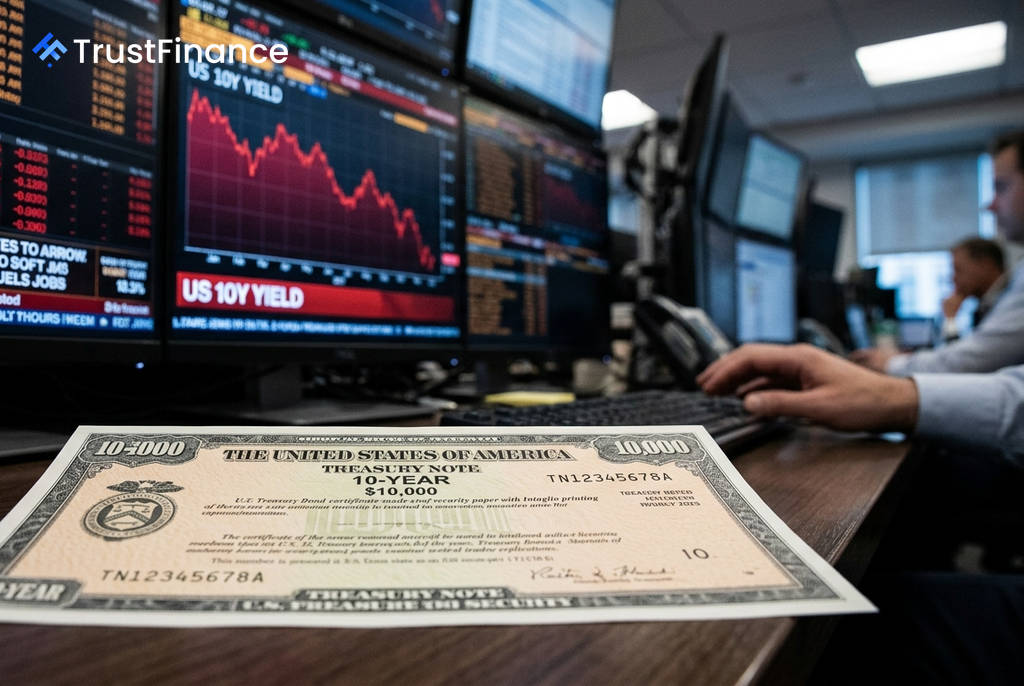
U.S. Treasury yields fell on Monday as bond investors reassessed the path of inflation and interest rates following a much weaker-than-expected June employment report. The market is now looking ahead to the release of the Federal Reserve's latest policy meeting minutes for further clues on the central bank's outlook.
Payrolls Miss Fuels Rate Reassessment
The primary driver for the move in yields was last week's nonfarm payrolls data, which showed the U.S. economy added just 57,000 jobs in June. This figure was the smallest monthly gain in four months and fell significantly short of the 110,000 consensus estimate, signaling a potential cooling in the labor market.
While the unemployment rate ticked down to 4.2%, the source material noted analysts attributed the decline to a shrinking labor force participation rate, which hit its lowest point since 2021. The soft labor data has led traders to scale back expectations for aggressive monetary tightening.
Market Focus Shifts to Fed Minutes
Reflecting the shift in sentiment, yields on benchmark government debt moved lower:
 Ad
- The 10-year Treasury note yield eased to approximately 4.45%.
- The policy-sensitive 2-year note yield declined to 4.11%.
Investors are now focused on Wednesday's release of the minutes from the Federal Open Market Committee's (FOMC) June meeting. The report is drawing particular scrutiny as it will be the first look into the central bank's deliberations under new Fed Chair Kevin Warsh. Adding to the downward pressure on yields, a sharp drop in oil prices, with Brent crude falling to around $71.86 per barrel, has helped ease near-term inflation concerns.
European Yields Mirror U.S. Trend
European sovereign debt markets saw a similar trend. The yield on Germany's 10-year bund, the benchmark for the eurozone, pulled back from a two-week high to trade around 2.91%. European markets are bracing for a busy week of commentary from European Central Bank officials, including President Christine Lagarde, and key economic data releases.