
Story
US Treasury Eyes Airlines, Maritime, and Digital Assets for New Iran Sanctions
Summary
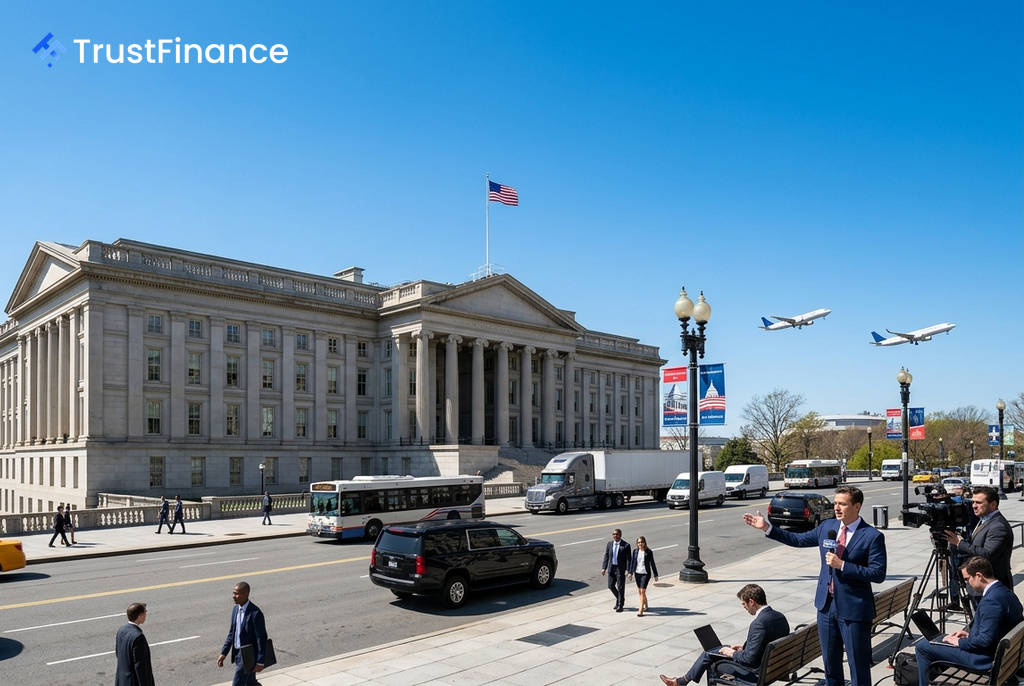
Treasury Secretary Scott Bessent has identified airlines, the maritime industry, and digital assets as potential new targets for U.S. sanctions, signaling a broadening of the economic pressure campaign against Iran.
U.S. Treasury Secretary Scott Bessent said on Wednesday that airlines, the maritime industry, and digital assets are being considered as potential targets for new sanctions as part of the administration's ongoing efforts to apply economic pressure on Iran. The comments, made in an interview on Fox News, suggest a potential expansion of U.S. enforcement into new sectors.
Scope of Sanctions Could Widen
Bessent's remarks followed a G20 gathering and highlighted a multi-pronged approach to restricting Iran's economy. The key sectors identified as possible future targets include:
- Airlines and aviation services, with Bessent having previously noted on Tuesday that airline leasing companies could also be in focus.
- The maritime industry, a frequent target of sanctions aimed at disrupting trade and oil shipments.
- Digital assets, indicating a new front for enforcement that could affect cryptocurrency platforms and other financial technologies used to evade existing restrictions.
Bessent also mentioned that additional sanctions against Iranian banks could be announced as soon as this week, according to his statements on Tuesday.
Warning to Iran's Supporters
 Ad
AdIn the interview, the Treasury Secretary issued a direct warning to any entities supporting Tehran, a day after Russian President Vladimir Putin publicly backed Iran. "My message to everyone is stay away," Bessent stated. "The fastest way for the conflict to end is for no one to provide any support to this regime."
He added that the U.S. is engaged in "very fulsome talks with anyone supporting the regime," underscoring the diplomatic component of the pressure campaign.
Market and Compliance Implications
The potential for new sanctions carries significant compliance risks for global businesses. Companies in the aviation and shipping sectors could face secondary sanctions for conducting business with Iran, which would effectively cut them off from the U.S. financial system.
The specific mention of digital assets is a notable development for the cryptocurrency industry. It signals that regulators are increasingly focused on preventing the use of digital currencies to circumvent international financial controls, which could lead to heightened scrutiny of exchanges and wallet providers.
Read next
More on Commodities
Wheat Futures Decline on Technical Selling as Crude Oil Weakens
Chicago wheat futures edged lower on Wednesday, pressured by technical selling linked to a downturn in crude oil prices, though losses were limited by ongoing global supply concerns.

Raw Sugar Futures Slip as Declining Oil Prices Weigh on Ethanol Demand
Raw sugar futures edged lower as a drop in crude oil prices made ethanol production less profitable, incentivizing mills to produce more sugar. However, prices found support from forecasts of lower crop yields in key producing regions.

Continental Resources Signs MOU with Venezuela's PDVSA to Develop Orinoco Oil Field
U.S.-based Continental Resources has entered a preliminary agreement with Venezuela's state-owned oil company, PDVSA, to jointly develop a block in the Orinoco Heavy Oil Belt estimated to hold 30 billion barrels of oil.

Soybean Futures Rise on Hopes for U.S.-China Trade Talks
CBOT soybean futures closed higher Wednesday, supported by news of a planned meeting between top U.S. and Chinese officials which has raised expectations for stronger export demand.