
Story
US Sanctions 14 Individuals and Entities Linked to Iran Amid Renewed Gulf Conflict
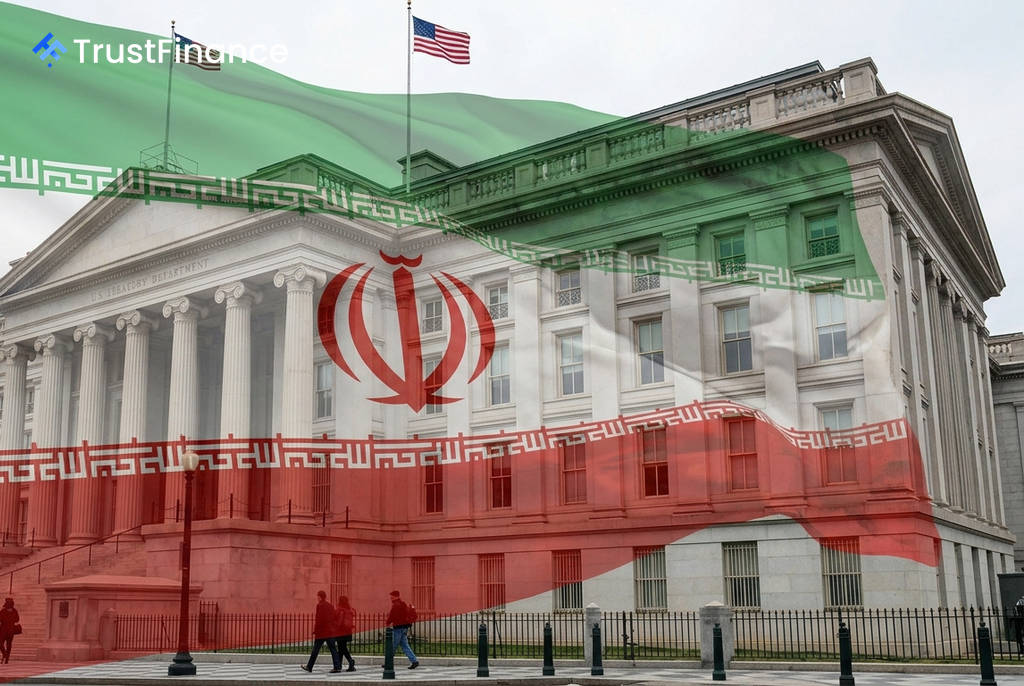
The United States has imposed sanctions on 14 individuals and entities, including a key financier for Iran’s Supreme Leader Ayatollah Mojtaba Khamenei, in response to recent attacks on oil tankers in the Strait of Hormuz. The U.S. Treasury Department announced the measures Friday, aiming to disrupt financial networks it says benefit Iran's ruling elite and the Islamic Revolutionary Guard Corps (IRGC).
Key Targets Designated
The sanctions primarily target Ali Ansari, a Dubai-based Iranian banker and businessman previously sanctioned by the United Kingdom. According to the Treasury, Ansari diverted public funds into an extensive overseas portfolio to enrich himself, government officials, and the IRGC.
Treasury’s Office of Foreign Assets Control (OFAC) also designated several entities allegedly used by Ansari to move funds:
- Smart Global Limited: A Saint Kitts and Nevis-based holding company used to invest in real estate and commercial properties.
- Three Iran-based exchange houses and foreign front companies, including Hong Kong-based CDM Trading Limited and UAE-based Naba Alzaki Raw Materials Trading LLC.
These entities allegedly moved billions of dollars annually for sanctioned Iranian banks, using shell companies to obscure the transactions, the Treasury statement said.
Geopolitical Escalation
 Ad
The action follows a week of escalating conflict in the Gulf, which saw three Qatari and Saudi commercial tankers come under Iranian fire, prompting U.S. retaliatory strikes. Treasury Secretary Scott Bessent stated the department would "continue using every tool at its disposal" to isolate Iranian officials from the global financial system.
According to State Department spokesman Tommy Pigott, the U.S. is "taking decisive action to cut off the financial lifelines sustaining Iran’s ruling elite." Analysts see the move as a significant policy shift. "Washington is no longer trying to salvage the existing framework. It’s preparing to replace it entirely,” said Brett Erickson, managing principal at Obsidian Risk Advisors.
Diplomatic Fallout
The sanctions have drawn criticism from Tehran, which claims the move violates a recent U.S.-Iran memorandum of understanding. Iranian Foreign Minister Abbas Araqchi stated on X that the U.S. had violated Article 9 of the accord, which stipulated that Washington would not impose new sanctions.
"Reality check: There can only be mutual compliance," Araqchi posted, adding that Iran has "so far kept its word." The diplomatic friction adds another layer of uncertainty for markets, particularly for energy commodities sensitive to instability in the Strait of Hormuz.