
Story
US Lawmakers Urge Crackdown on Solar 'Blue Wafer' Imports to Combat Tariff Evasion
Summary
A bipartisan group of representatives has called on federal agencies to halt imports of partially finished solar components, alleging they are being used to circumvent U.S. tariffs and fraudulently claim manufacturing tax credits.
A bipartisan group of U.S. lawmakers is urging the Trump administration to crack down on imports of partially finished solar components, known as 'blue wafers,' which they allege are being used to evade trade duties and improperly claim federal tax credits. The move represents the latest development in a long-running effort to shield domestic solar manufacturers from what they describe as unfair foreign competition.
Lawmakers Allege Tariff Evasion Scheme
In a letter sent Thursday to Customs and Border Protection and the Internal Revenue Service, the lawmakers detailed a scheme they say harms American businesses. The letter was signed by Republican Representatives Mike Bost and Pat Harrigan, along with Democratic Representatives Ro Khanna and Marcy Kaptur, according to Reuters.
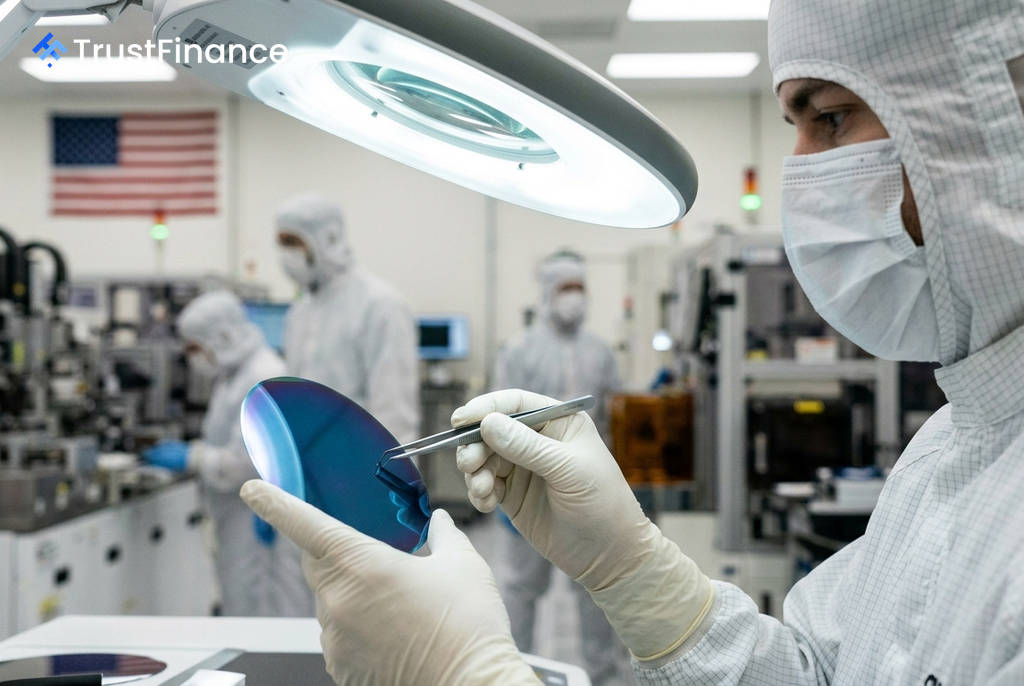
The focus of the complaint is blue wafers—thin slices of ultra-pure silicon that have already undergone key processing steps. The lawmakers contend that some companies are importing these components to avoid U.S. duties on fully completed solar cells, then performing the final processing steps domestically to qualify for tax credits intended to support U.S. manufacturing.
"This duty evasion and tax fraud is harming U.S. energy manufacturers and placing them at a clear competitive disadvantage," the letter stated.
Context of Broader Trade Tensions
 Ad
AdThe dispute over blue wafers is part of a broader U.S. strategy to limit cheap solar imports, primarily from Chinese-linked companies, which account for an estimated 80% of the global solar supply. The United States currently has anti-dumping and countervailing duties on solar cells made in China and eight other Asian countries.
To navigate these tariffs, many manufacturers have shifted production to other countries to continue serving the large U.S. market. The lawmakers' letter suggests that the use of partially finished components is a new frontier in this ongoing trade conflict.
Domestic Manufacturers Welcome Scrutiny
The call for action received praise from the Solar Energy Manufacturers for America (SEMA) Coalition, which represents domestic producers. The group's members include prominent companies such as First Solar (FSLR) and Hanwha’s Qcells.
"SEMA Coalition members have invested billions of dollars and created thousands of high-quality American manufacturing jobs to build a domestic solar cell industry," said Rob Gardner, a vice president for the coalition, in a statement. The group's support highlights the significant financial stakes for U.S.-based firms that have committed capital based on federal incentives and trade protections.
Read next
More on Commodities
New Russia Sanctions Bill Grants Trump Broad, Discretionary Tariff Powers
A Russia sanctions bill passed by Congress grants President Trump significant new authority to impose tariffs on countries trading with Moscow, raising concerns among critics about potential misuse and increased global economic uncertainty.

Oil Prices Pare Losses on Saudi Supply Jitters; Gold Rally Cools
Oil prices recovered from earlier losses Friday amid reports of a pipeline disruption in Saudi Arabia, while gold's recent rally cooled as investors weighed the prospect of further global interest rate hikes.

Oil Prices Retreat as Mideast Supply Fears Ease, Hawkish Fed Boosts Dollar
Crude oil prices fell on Thursday as reports of Saudi Arabia rerouting shipments and U.S. diplomatic talks with Houthi militants eased supply concerns. A stronger U.S. dollar following a hawkish Federal Reserve rate hike added further pressure.

Gold Reclaims Key Technical Level as Falling Oil Prices, Fed Hike Ease Inflation Fears
Gold prices stabilized after a volatile week, climbing back above their 100-day moving average as a drop in crude oil and the market's digestion of a Federal Reserve rate hike cooled inflation concerns.