
Story
US Electric Grids Face Blackout Risk as Heat Wave Stresses Power Supplies
Summary
Intense heat is straining major U.S. electric grids, including PJM and MISO, prompting emergency measures and raising the risk of power outages for millions of consumers from the Midwest to the Mid-Atlantic.
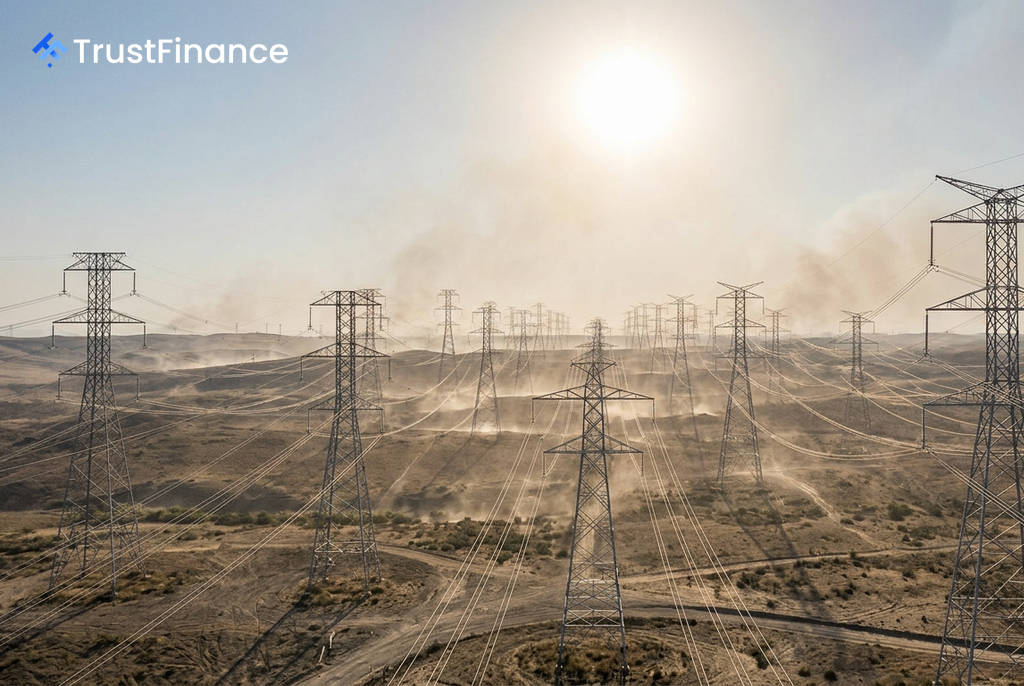
The risk of power outages is escalating across a large portion of the United States as an intense heat wave tests the capacity of electric grids serving millions. Grid operators from the Midwest through the Mid-Atlantic are implementing emergency procedures to maintain stability amid soaring electricity demand.
PJM Implements Emergency Measures
The PJM Interconnection, the largest U.S. electric grid operator serving 67 million people from Washington D.C. to Chicago, is facing heightened blackout risks, according to a warning from the U.S. Department of Energy (DOE). Late Tuesday, the DOE authorized PJM to order backup generators online as a last-resort measure to prevent a level 3 energy emergency, a critical step before rotating blackouts may be required.
"Maintaining affordable, reliable, and secure power for hardworking American families and businesses during periods of hot weather is non-negotiable," DOE Secretary Chris Wright said in a statement. PJM also issued a "maximum generation emergency" alert, directing power plants on planned outages to assess how quickly they could return to service.
MISO Nears Record Demand
 Ad
AdThe Midcontinent Independent System Operator (MISO), which manages the grid for 15 states in the Midwest and South, is also experiencing significant strain. The operator warned of tight conditions and increased its reserve requirements to buffer against unexpected plant or transmission line failures.
MISO projected that peak electricity demand on Wednesday would approach record levels at approximately 121 gigawatts. This is just shy of its all-time high of 127.1 GW. The surge in demand is driven by temperatures expected to exceed 90 degrees Fahrenheit (32 degrees Celsius) in major cities like Chicago, St. Louis, and Washington D.C.
Impact on Consumers
The strain on the power supply is prompting calls for conservation. In rural Missouri, the Howell-Oregon Electric Cooperative advised its customers to reduce electricity use by unplugging unused appliances and raising thermostat settings. Such measures are intended to alleviate pressure on the grid during peak demand hours and help prevent forced outages.
Read next
More on Commodities
Wheat Futures Decline on Technical Selling as Crude Oil Weakens
Chicago wheat futures edged lower on Wednesday, pressured by technical selling linked to a downturn in crude oil prices, though losses were limited by ongoing global supply concerns.

Raw Sugar Futures Slip as Declining Oil Prices Weigh on Ethanol Demand
Raw sugar futures edged lower as a drop in crude oil prices made ethanol production less profitable, incentivizing mills to produce more sugar. However, prices found support from forecasts of lower crop yields in key producing regions.

Continental Resources Signs MOU with Venezuela's PDVSA to Develop Orinoco Oil Field
U.S.-based Continental Resources has entered a preliminary agreement with Venezuela's state-owned oil company, PDVSA, to jointly develop a block in the Orinoco Heavy Oil Belt estimated to hold 30 billion barrels of oil.

Soybean Futures Rise on Hopes for U.S.-China Trade Talks
CBOT soybean futures closed higher Wednesday, supported by news of a planned meeting between top U.S. and Chinese officials which has raised expectations for stronger export demand.