
Story
Texas Republicans Pivot Against Data Centers, Creating Headwinds for Big Tech
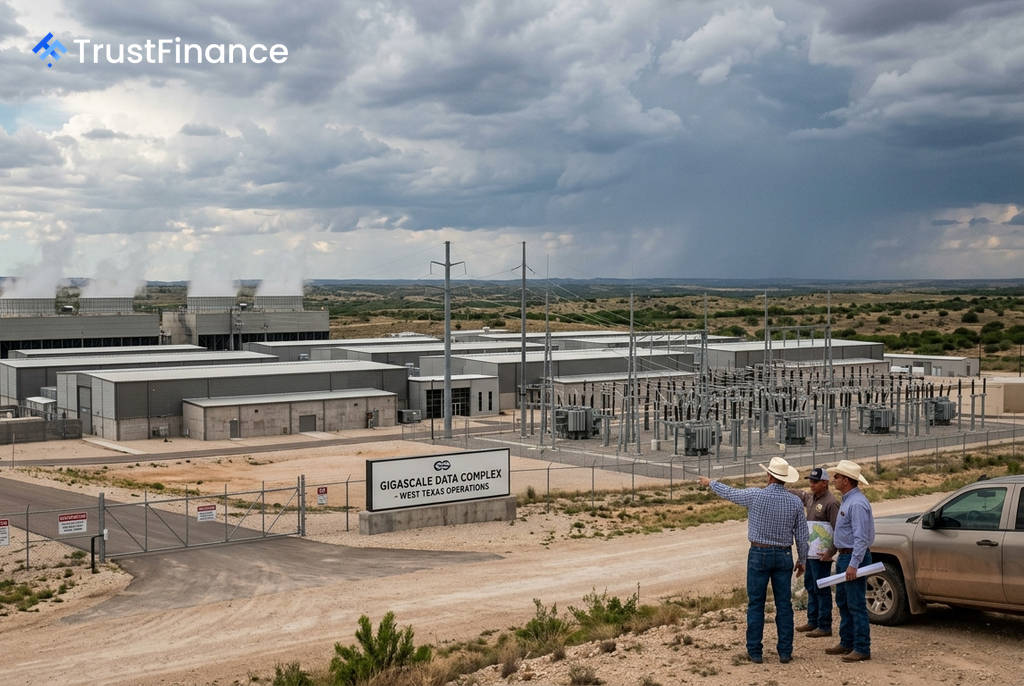
Leading Texas Republicans are reversing their once-staunch support for the technology industry, now calling for significant new restrictions on data centers amid a rising tide of public opposition. This political shift in a state that has actively courted tech investment creates new uncertainty for companies building out the critical infrastructure for artificial intelligence.
A Shifting Political Landscape
Less than a year after hailing Texas as the "epicenter of AI development," Governor Greg Abbott is now advocating for the repeal of tax incentives and restrictions on data center construction, according to a Reuters report. On August 3, Abbott announced a state audit that has effectively paused approvals for new connections to the power grid for these facilities.
This change in stance is mirrored by Republican Attorney General Ken Paxton, who is in a competitive Senate race. Paxton, who in 2013 voted for a tax incentive that fueled data center investment, recently unveiled a plan to curb the "negative impact of data centers." The reversal follows growing public concern over the centers' heavy consumption of electricity and water and questions about whether they provide sufficient tax revenue and jobs to justify state incentives. An August poll by the Texas Politics Project found that only 30% of respondents would support a new data center in their community.
National Implications and Party Division
The trend extends beyond Texas, creating a new fault line within the Republican party. Candidates in at least five states, including Michigan, Wisconsin, and Pennsylvania, have recently adopted tougher rhetoric on data centers. This puts them at odds with the pro-AI agenda of former President Donald Trump, who warned in a social media post that opposing data centers could leave Americans "backwards and poor."
This internal debate pits the party's traditional pro-growth platform against a rising populist sentiment focused on local quality-of-life and affordability issues. According to Republican strategist Brad Dayspring, the issue is "pitting pro-growth instincts and the push to beat China in the AI race against a populist backlash over affordability."
 Ad
Big Tech's Response
For investors, this bipartisan political resistance represents a significant operational and financial risk for the technology sector's expansion plans. In response, tech companies are ramping up their political engagement, pouring more than $300 million into the midterm elections through various entities, according to a review of election records and company disclosures.
Specific examples of this spending in Texas include:
- Super PACs with ties to Anthropic have spent over $2.6 million.
- Super PACs linked to OpenAI co-founder Greg Brockman have spent more than $4.8 million.
- Meta has contributed about $1.4 million to a super PAC focused on state-level candidates.
Despite this financial push, the industry faces an uphill battle as both Democratic and Republican politicians increasingly align with local opposition, signaling a more challenging regulatory environment for data center development ahead.
Read next
More on Stocks
FTC Orders Walmart, Uber, Delta to Disclose Data on Personalized Pricing
The U.S. Federal Trade Commission is demanding nine major companies, including leading retail, travel, and gig economy firms, to provide information on how they use consumer data for setting individual prices and wages.

Google Launches Gemini 4 Carbon AI Model to Bolster Cybersecurity Capabilities
Alphabet's Google has unveiled Gemini 4 Carbon, its latest AI model specifically designed for advanced cybersecurity tasks like vulnerability detection and secure code generation. The launch escalates competition with rivals OpenAI and Anthropic in the enterprise AI market.

Oracle Shares Surge After Unveiling $225 Billion Revenue Target for 2030
Oracle stock rose sharply after the company presented a long-term financial outlook targeting at least $225 billion in annual revenue by fiscal 2030, driven by its expanding AI infrastructure business.

DOJ Scrutinizes Nvidia's $12.9B Hugging Face Deal Amid Broader Antitrust Probe, Sources Say
The U.S. Department of Justice is reportedly examining Nvidia's planned $12.93 billion acquisition of AI platform Hugging Face as part of a wider, ongoing antitrust investigation into the chipmaker's market conduct.