
Story
South Korean Retail Traders Abandon Leveraged Chip ETFs Amid New Curbs
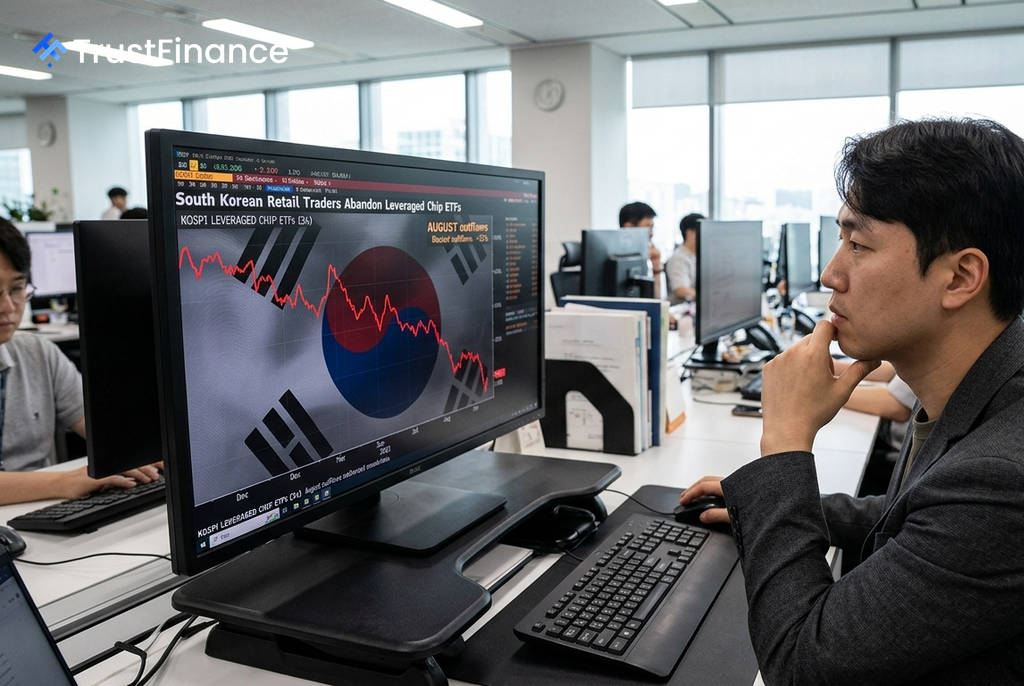
South Korean retail investors are rapidly exiting leveraged exchange-traded funds (ETFs) tied to semiconductor giants Samsung Electronics and SK Hynix, following the implementation of stricter regulatory measures designed to cool speculative trading, according to a report from Bloomberg.
Regulatory Hurdles Dampen Fervor
The sharp decline in interest follows the introduction of new, more stringent requirements for investors on August 19. A key deterrent is a mandatory five-day simulated trading course, which requires participants to download a Windows-only program and trade with virtual funds for at least one hour each day before they can access the leveraged products.
This measure is the latest in a series of steps by financial authorities to rein in speculative behavior that has contributed to significant market swings. Earlier actions included raising the minimum deposit required to trade these instruments.
Trading Activity Collapses
The impact of the new rules has been immediate and severe. Trading value in the ETFs, which are designed to deliver twice the daily returns of the underlying chipmaker stocks, has plummeted to just 4% of its peak in June.
 Ad
Other key metrics highlight the investor exodus:
- The funds are on track for their first-ever monthly outflow, with a combined $1 billion pulled so far in August.
- Total assets held by the leveraged ETFs have more than halved, falling from a late-June peak of $11.4 billion to approximately $5 billion as of August 27.
Market Impact and Context
The leveraged ETFs were only introduced in May but saw a surge in popularity, at one point accounting for over 80% of the total market turnover alongside their underlying stocks. The subsequent retreat has coincided with a calmer market, with the Kospi volatility gauge falling to a four-month low.
While regulatory pressure is the primary driver, the pullback has been compounded by a global selloff in technology stocks and investor concerns over the pace of AI-related spending. According to Bloomberg Intelligence, the outflows may continue as regulators maintain their tighter stance on speculative products.
Read next
More on Stocks
FTC Orders Walmart, Uber, Delta to Disclose Data on Personalized Pricing
The U.S. Federal Trade Commission is demanding nine major companies, including leading retail, travel, and gig economy firms, to provide information on how they use consumer data for setting individual prices and wages.

Google Launches Gemini 4 Carbon AI Model to Bolster Cybersecurity Capabilities
Alphabet's Google has unveiled Gemini 4 Carbon, its latest AI model specifically designed for advanced cybersecurity tasks like vulnerability detection and secure code generation. The launch escalates competition with rivals OpenAI and Anthropic in the enterprise AI market.

Oracle Shares Surge After Unveiling $225 Billion Revenue Target for 2030
Oracle stock rose sharply after the company presented a long-term financial outlook targeting at least $225 billion in annual revenue by fiscal 2030, driven by its expanding AI infrastructure business.

DOJ Scrutinizes Nvidia's $12.9B Hugging Face Deal Amid Broader Antitrust Probe, Sources Say
The U.S. Department of Justice is reportedly examining Nvidia's planned $12.93 billion acquisition of AI platform Hugging Face as part of a wider, ongoing antitrust investigation into the chipmaker's market conduct.