
Story
Pound Strengthens as Euro Zone Debt Worries and Rate Hike Bets Diverge
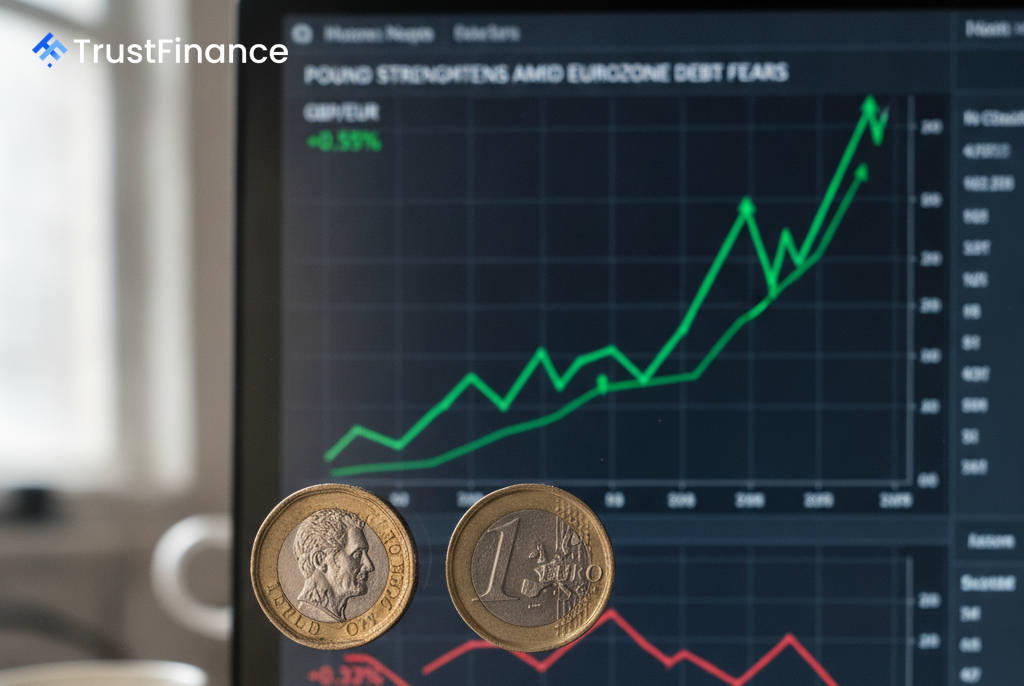
The British pound edged higher on Thursday, outperforming its European peers as concerns over euro zone debt and diverging central bank outlooks prompted a flight from the region's assets. Sterling's relative strength comes as investors increase bets on aggressive interest rate hikes from the Bank of England, according to a Reuters report.
Monetary Policy Divergence
The pound rose 0.1% against the dollar to $1.34, making it one of the day's stronger performers. This contrasts sharply with the euro, which has fallen 2% against the dollar over the past month, while sterling has gained 0.3% in the same period.
This performance gap is largely driven by monetary policy expectations. Following higher-than-expected UK inflation data, money markets are now pricing in at least three quarter-point rate hikes from the Bank of England by April. In contrast, markets anticipate roughly two hikes from the European Central Bank, widening the interest-rate differential that fuels carry trades.
Euro Zone Jitters Rattle Markets
Investor sentiment toward the euro zone has soured amid concerns over high oil prices and the ability of governments to manage significant debt loads. This anxiety was evident in sovereign bond markets, where French government bond yields surged to a new 24-year high. Yields on Italian and Belgian debt also rose steeply, while UK government bonds, known as gilts, remained flat.
 Ad
The risk-off sentiment also hit European equities. The pan-European STOXX 600 index fell 1%, while the UK's FTSE 100 saw a more modest decline of 0.6%, highlighting the relative appeal of UK assets amid the regional turmoil.
Investor Positioning
Analysts noted a clear shift in currency strategy. "Greater market confidence in a Bank of England tightening cycle... makes sterling a high-carry European currency," ING strategist Chris Turner said in a client note. This suggests investors see value in holding the pound over its continental counterpart.
This view is reflected in derivatives markets. According to LSEG data, options traders are at their most bearish on the euro's prospects against the pound since mid-2024. The euro is on track for its fourth consecutive weekly decline against sterling and what could be its largest monthly drop against the British currency since May 2023.
Read next
More on Forex
Pound Sterling Rises on Surprise UK Growth as Dollar Falters
The British pound gained against a weakening U.S. dollar after UK economic data for August unexpectedly showed growth. The dollar's decline was attributed to concerns over debt in the AI sector, overriding recent hot inflation data.
Canadian Dollar Strengthens, but Hot U.S. PPI Report Raises Inflation Alarms
The Canadian dollar gained against its U.S. counterpart on Thursday, even as a surprisingly high U.S. producer price index report intensified concerns about persistent inflation and further Federal Reserve tightening.

Argentina Halts Domestic Dollar Bond Sales as Yields Spike Above 12%
Argentina has suspended its domestic issuance of dollar-denominated bonds for the second straight month after yields surged past 12%, complicating its debt repayment strategy.

Dollar's Four-Week Rally Ends; Indonesian Rupiah Tumbles on MSCI Downgrade Threat
The U.S. dollar posted its first weekly loss in over a month as falling Treasury yields reduced its appeal, while Indonesian markets faced a sharp sell-off on a proposed downgrade from index provider MSCI.