
Story
Pound Slips as Traders Eye U.S. Sanctions and Fed Policy Signals

The British pound edged lower against the U.S. dollar on Monday, with the euro also under pressure, as currency markets turned their focus to upcoming policy signals from Washington. Investors are awaiting details on a new round of sanctions against Iran and anticipating guidance from the Federal Reserve's Jackson Hole symposium.
As of 4:40 AM ET, the GBP/USD pair was down 0.10% at 1.3631, while the EUR/USD pair also traded 0.10% lower at 1.1665. Analysts noted that the pound's minor decline was not driven by UK-specific factors, as no major domestic economic data or Bank of England announcements were scheduled for the day.
U.S. Policy in Focus
Market attention is centered on the United States, where a combination of geopolitical and monetary policy events is expected to drive currency movements. U.S. Treasury Secretary Scott Bessent is anticipated to announce new sanctions against Iran later on Monday.
"There is probably still scope for a U.S. dollar short-squeeze and we are reluctant to call the bottom of the dollar sell-off just yet," said Chris Turner, Global Head of Markets at ING, in a note. Turner added that the Iran sanctions, along with renewed U.S.-Canada trade tensions, could test the market's appetite for risk. Typically, a significant escalation in tariffs is viewed as a negative for the dollar.
Federal Reserve and Inflation Data
Looking ahead in the week, investors are closely watching for key U.S. economic data and Federal Reserve commentary.
 Ad
- The core Personal Consumption Expenditures (PCE) price index for July, the Fed's preferred inflation gauge, is due on Wednesday.
- Federal Reserve Chair Kevin Warsh is scheduled to deliver a keynote speech at the Jackson Hole economic symposium on Friday.
ING's Turner suggested the risks for Warsh's speech are skewed to the hawkish side, noting that his July press conference triggered a sell-off in long-dated U.S. Treasuries. "He will have to re-emphasise the Fed's anti-inflation credentials again," Turner wrote, though he added that Warsh is unlikely to provide a clear signal on policy for the upcoming month. ING expects the U.S. Dollar Index (DXY) to consolidate in a 98.50 to 99.00 range on Monday.
Euro Outlook
For the euro, ING cited positioning data from Chicago futures markets showing that both asset managers and leveraged funds are building long positions, suggesting speculative investors remain "markedly light" on the single currency. The German IFO business climate survey, due Tuesday, is expected to confirm a recovery trend seen in recent Eurozone PMI data.
ING forecasts EUR/USD to reach 1.17 by the end of September and 1.18 by year-end, though Turner noted the bank will be reviewing those targets this week. A significant downward correction, he argued, would likely require either a surprisingly hawkish speech from Warsh or a sharp deterioration in risk sentiment.
Read next
More on Forex
Polish Zloty Hits 11-Month Low Against Euro on Energy Price Pressure
The Polish zloty weakened to 4.410 against the euro, its lowest point since November 2023, as rising energy prices and caution ahead of a U.S. Federal Reserve decision weighed on the currency.

Sterling Slips as Dollar Strengthens Ahead of Fed Decision and UK Budget
The British pound lost ground against a resurgent U.S. dollar on Wednesday as market attention shifted from tech sector volatility to upcoming central bank decisions and the UK budget announcement.
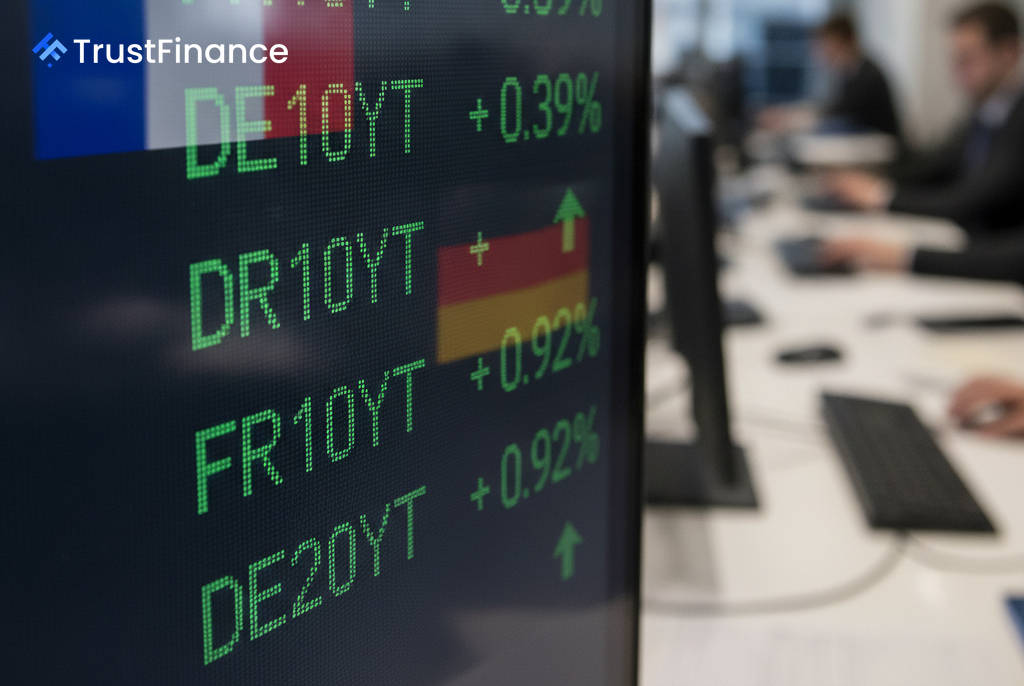
Eurozone Bond Yields Climb as French Fiscal Concerns Return Ahead of Fed, ECB Decisions
Yields on French and German government bonds rose as relief from a ratings affirmation for France proved temporary, with investors refocusing on fiscal challenges and awaiting key policy verdicts from the U.S. Federal Reserve and the European Central Bank.

Canadian Dollar Slips as Markets Await Bank of Canada, Fed Decisions
The Canadian dollar edged lower against its U.S. counterpart, snapping a seven-day winning streak as investors adopted a cautious stance ahead of Wednesday's key interest rate announcements from both the Bank of Canada and the U.S. Federal Reserve.