
Story
Over 20 Drugmakers, Including Pfizer and Novo Nordisk, Finalize US Pricing Deals
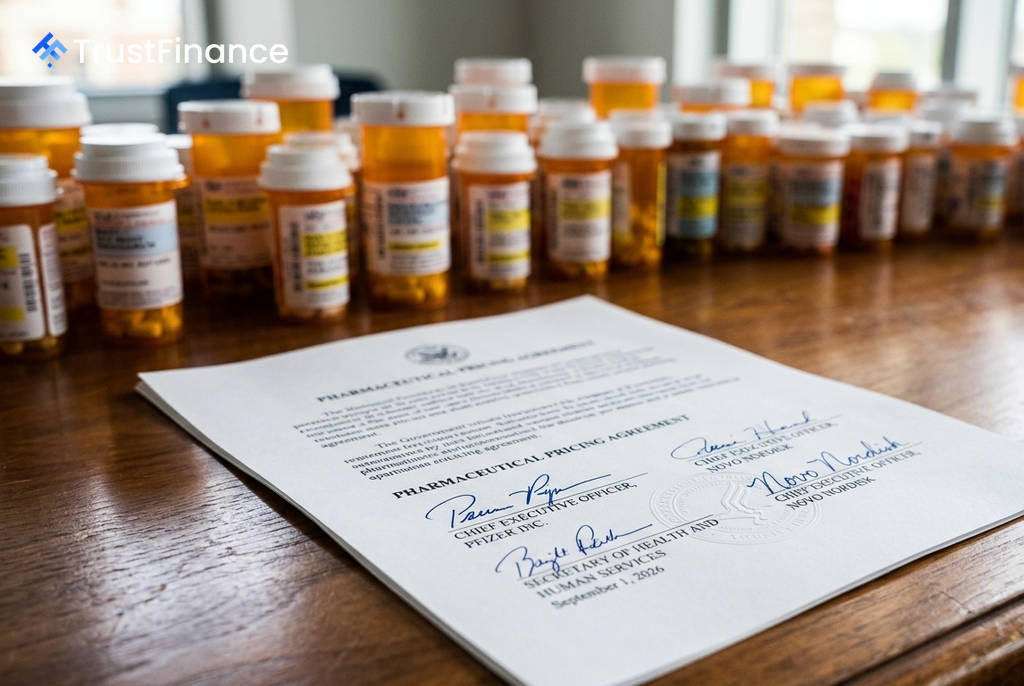
More than 20 global pharmaceutical companies have finalized drug-pricing agreements with the Trump administration, a move aimed at reducing prescription costs for American patients. The deals, detailed in a Reuters report, involve major industry players such as Pfizer, Eli Lilly, and Novo Nordisk committing to significant price reductions and direct-to-patient sales initiatives.
Key Terms of the Agreements
The agreements have been rolled out in two waves, according to the report. The first set of deals included commitments to "most-favoured-nation" pricing, which aligns U.S. prices with those in other developed countries, and sales through the administration's TrumpRx.gov platform. In exchange, some companies received relief from potential tariffs.
A second wave of deals announced in late August focused on offering drugs to state Medicaid programs at these most-favoured-nation prices. For many companies, these voluntary agreements provide a degree of certainty and a way to avoid potentially harsher, mandated pricing measures in the future.
Notable Company Commitments
Specific terms vary by company but often feature substantial discounts on widely used medications. Key examples cited by Reuters include:
 Ad
- Pfizer: Will offer average savings of 50% on most primary care treatments, with discounts reaching as high as 85% on select brands through TrumpRx.gov.
- Novo Nordisk: Agreed to cut the price of its popular weight-loss drugs Wegovy and Ozempic to $350 per month through TrumpRx, down from list prices exceeding $1,000. Widely used insulin products will be available for $35 per month.
- Eli Lilly: Will offer its obesity drug Zepbound to Medicare beneficiaries for no more than $50 per month and is offering other medicines at significant discounts through its LillyDirect platform.
- Bristol Myers Squibb: Pledged to provide its blockbuster blood-thinner Eliquis to Medicaid patients for free.
- Merck: Will sell its diabetes drugs, including Januvia, directly to consumers at approximately 70% off their list prices.
- International Firms: Companies including Australia's CSL, Japan's Astellas, and India's Sun Pharma reached deals that combine Medicaid price reductions with exemptions from potential U.S. tariffs on their products.
Implications for the Pharmaceutical Sector
These agreements reflect sustained political pressure on the pharmaceutical industry to address high drug costs in the United States. For investors, the deals highlight a strategic trade-off for drugmakers: accepting voluntary price cuts in exchange for regulatory stability and avoiding tariffs.
The arrangements also accelerate the industry's shift toward direct-to-patient sales channels, bypassing traditional intermediaries. The emphasis on platforms like TrumpRx.gov and proprietary sites such as LillyDirect could reshape the drug distribution landscape, potentially impacting pharmacy benefit managers and insurers.
Read next
More on Stocks
FTC Orders Walmart, Uber, Delta to Disclose Data on Personalized Pricing
The U.S. Federal Trade Commission is demanding nine major companies, including leading retail, travel, and gig economy firms, to provide information on how they use consumer data for setting individual prices and wages.

Google Launches Gemini 4 Carbon AI Model to Bolster Cybersecurity Capabilities
Alphabet's Google has unveiled Gemini 4 Carbon, its latest AI model specifically designed for advanced cybersecurity tasks like vulnerability detection and secure code generation. The launch escalates competition with rivals OpenAI and Anthropic in the enterprise AI market.

Oracle Shares Surge After Unveiling $225 Billion Revenue Target for 2030
Oracle stock rose sharply after the company presented a long-term financial outlook targeting at least $225 billion in annual revenue by fiscal 2030, driven by its expanding AI infrastructure business.

DOJ Scrutinizes Nvidia's $12.9B Hugging Face Deal Amid Broader Antitrust Probe, Sources Say
The U.S. Department of Justice is reportedly examining Nvidia's planned $12.93 billion acquisition of AI platform Hugging Face as part of a wider, ongoing antitrust investigation into the chipmaker's market conduct.