
Story
Oil Prices Surge as U.S. Strikes Iran and Tankers Attacked in Strait of Hormuz
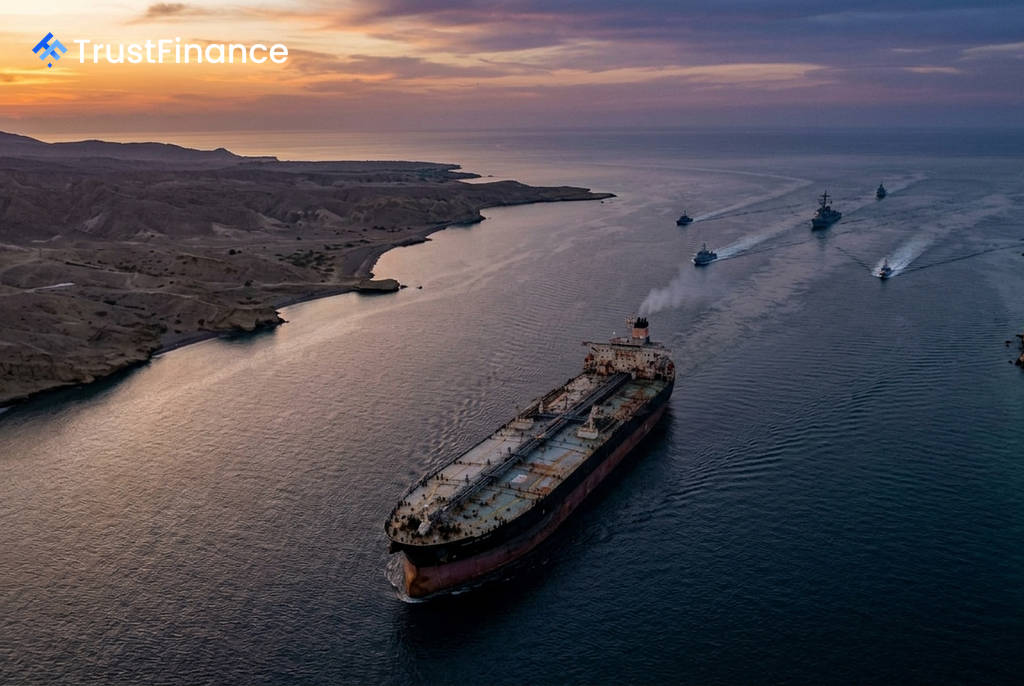
Oil prices surged Monday after the U.S. military launched a third consecutive night of strikes against Iran and two oil tankers came under attack in the Strait of Hormuz, a critical chokepoint for global energy supplies. The escalating hostilities followed a U.S. decision to reinstate a blockade on all Iranian shipping and a proposal by President Donald Trump to charge a 20% fee to guard the waterway.
Escalating Military Action
U.S. Central Command confirmed it carried out strikes at President Trump's direction on Monday night. The action came as the UAE Ministry of Defense reported that two Emirati oil tankers, the Mombasa and Al Bahiyah, were struck by Iranian cruise missiles in Omani territorial waters. The attack reportedly wounded one crew member and injured eight others.
Iran’s Islamic Revolutionary Guard Corps (IRGC) acknowledged hitting two “offending” supertankers, according to Iranian media, but did not name the vessels. The IRGC accused the U.S. of “inciting vessels to use an illegal route.” In separate incidents, Bahrain's air defense intercepted Iranian aerial attacks, and Iran's army claimed to have targeted a U.S. vessel with cruise missiles and U.S. facilities in Kuwait with drones.
Blockade and Proposed 'Guardian' Fee
President Trump announced the reinstatement of “THE IRANIAN BLOCKADE” in a post on Truth Social. He also stated the U.S. would act as “THE GUARDIAN OF THE HORMUZ STRAIT” and be reimbursed at a rate of 20% on all cargo. The U.S. Navy-led Joint Maritime Information Center said the blockade would apply to all vessel traffic along the Iranian coastline starting Tuesday at 2000 GMT, though it would not impede neutral transit to non-Iranian ports.
 Ad
Iran's top military command rejected the U.S. move, stating Washington had no role in the waterway's future. The U.N. shipping agency also pushed back against the proposed fee, stressing there is no legal basis for mandatory tolls on international straits.
Market Reaction and Economic Stakes
The heightened geopolitical risk sent shockwaves through energy markets. Key developments include:
- Brent crude futures jumped more than 9%, posting their biggest single-day dollar gain since April 2.
- U.S. crude futures also saw their largest daily gain since April 29.
- Vessel activity through the strait declined by approximately 52% between July 10 and 12 compared to the previous week, according to data from MarineTraffic.
The Strait of Hormuz is a vital artery for the global economy, with about a fifth of the world's oil and gas traffic passing through it daily. This trade is valued at more than $1.2 billion per day, according to pre-conflict figures.
Read next
More on Commodities
U.S. Crude Inventories Post Surprise Draw While Gasoline Stocks Swell, EIA Reports
U.S. crude oil stockpiles fell unexpectedly last week, driven by a surge in exports, while gasoline inventories saw a significant build amid weakening demand, according to the latest EIA data.

UBS Raises Year-End Brent Forecast to $110 on Middle East Supply Risks
UBS has increased its year-end forecast for Brent crude to $110 per barrel, citing escalating supply risks in the Middle East, declining global inventories, and record-high freight costs.

Iran Dismisses Latest Qatari Peace Proposal as 'Unacceptable'
A senior Iranian official has rejected the latest Qatari-mediated draft deal to end the eight-month war, calling the ideas 'unacceptable' and signaling a continued diplomatic impasse. The news comes amid rising oil prices following attacks on Saudi energy infrastructure.

Argentina Poised to Gain EU Soymeal Market Share as Deforestation Rules Hit Brazil
Argentina's soybean industry is preparing to capture a larger share of the European Union's soymeal market as new EU anti-deforestation rules are expected to disrupt exports from rival Brazil.