
Story
New York Sues 3M, DuPont Over Alleged 'Forever Chemical' Contamination
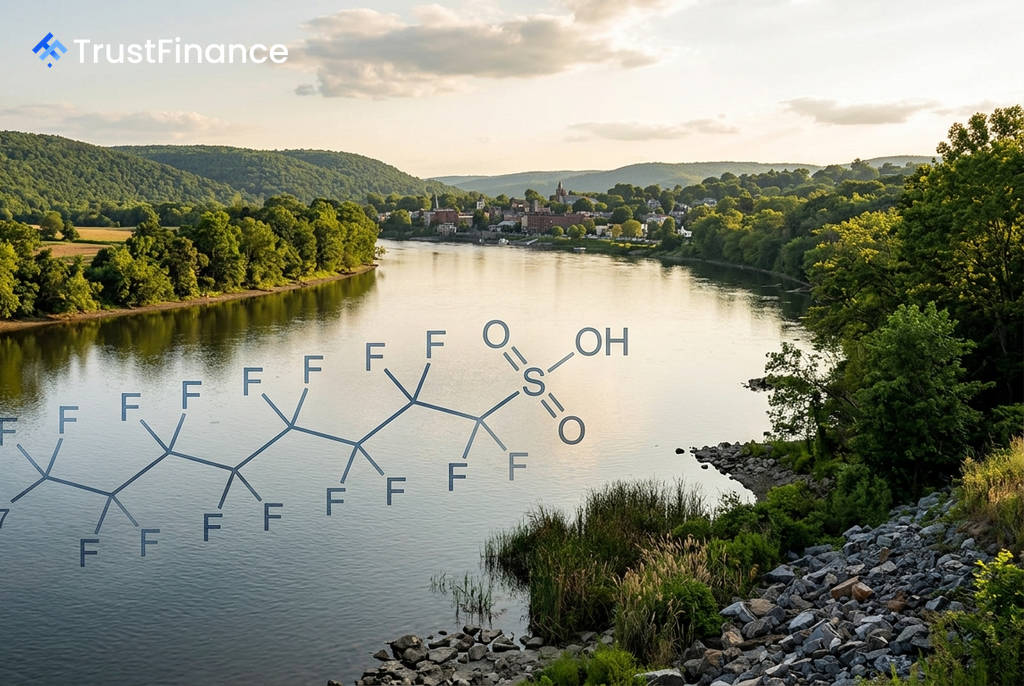
New York has filed a lawsuit against several major chemical manufacturers, including 3M Co. (MMM) and DuPont de Nemours Inc. (DD), accusing them of causing widespread environmental contamination with toxic chemicals and hiding the associated health risks from the public. The legal action, announced Thursday by Attorney General Letitia James, adds to the growing litigation targeting producers of so-called "forever chemicals."
Details of the Lawsuit
The lawsuit alleges that the companies, which also include Chemours, Corteva, and EIDP, manufactured and sold products containing per- and polyfluoroalkyl substances (PFAS) while being aware of their dangers for decades. These chemicals, used in products ranging from non-stick cookware and food packaging to stain-resistant fabrics, are known as forever chemicals because they do not easily break down in the environment and can accumulate in the human body.
According to the complaint, internal company research dating back to the 1970s indicated the toxicity and health risks of PFAS, which have been linked to cancer, hormone disorders, and other serious health problems. The state argues the companies failed to disclose these findings to regulators or the public and continued to market the products, sometimes replacing phased-out chemicals with similarly harmful alternatives.
Financial and Legal Ramifications
 Ad
New York is seeking significant financial penalties and remedies to address the alleged damages. The attorney general is asking the court to compel the companies to:
- Fund the complete cleanup and remediation of PFAS contamination across the state.
- Pay for damages, restitution, and the disgorgement of profits earned from PFAS-containing products.
- Cease what the lawsuit describes as misleading advertising.
- Issue warnings to consumers about the risks associated with their products.
For investors, this lawsuit represents another significant legal and financial overhang for the chemical industry. The potential costs for cleanup and damages could be substantial, adding to the long-tail liabilities these companies face from numerous similar lawsuits filed by other U.S. states and municipalities.