
Story
India Aligns Export Benefits With Rupee Payments to Boost Currency's Global Use

India's government on Thursday announced a key regulatory change allowing exporters to receive the same policy benefits for payments made in Indian rupees (INR) as for those made in foreign currencies, a move aimed at promoting the rupee's use in international trade.
The Directorate General of Foreign Trade (DGFT) amended the country's Foreign Trade Policy, with the changes taking effect immediately. The update removes a significant barrier where export proceeds were generally required to be realized in a freely convertible currency to qualify for government incentives, even if invoicing in rupees was permitted.
Details of the Policy Amendment
Under the new rules, export contracts, invoices, and payments can now be denominated and settled in Indian rupees. To qualify for trade benefits and fulfill export obligations, these rupee-denominated proceeds must be processed through approved banking channels.
This policy shift aligns with foreign exchange regulations introduced by the Reserve Bank of India (RBI) in 2023, which created a broader framework for using the rupee in cross-border transactions. The goal is to reduce reliance on the U.S. dollar and establish the rupee as a viable currency for international trade settlement.
 Ad
Scope and Regional Context
The updated policy applies to all countries except for Nepal and Bhutan, which operate under separate bilateral arrangements with India.
For trade with member nations of the Asian Clearing Union (ACU)—which includes Bangladesh, Iran, Maldives, Myanmar, Pakistan, and Sri Lanka—contracts are typically settled in specified ACU currencies. However, the DGFT noted that RBI directives regarding rupee settlements may also apply in these cases. The ACU facilitates the settlement of net trade balances among members to conserve foreign exchange reserves.
Read next
More on Forex
Polish Zloty Hits 11-Month Low Against Euro on Energy Price Pressure
The Polish zloty weakened to 4.410 against the euro, its lowest point since November 2023, as rising energy prices and caution ahead of a U.S. Federal Reserve decision weighed on the currency.

Sterling Slips as Dollar Strengthens Ahead of Fed Decision and UK Budget
The British pound lost ground against a resurgent U.S. dollar on Wednesday as market attention shifted from tech sector volatility to upcoming central bank decisions and the UK budget announcement.
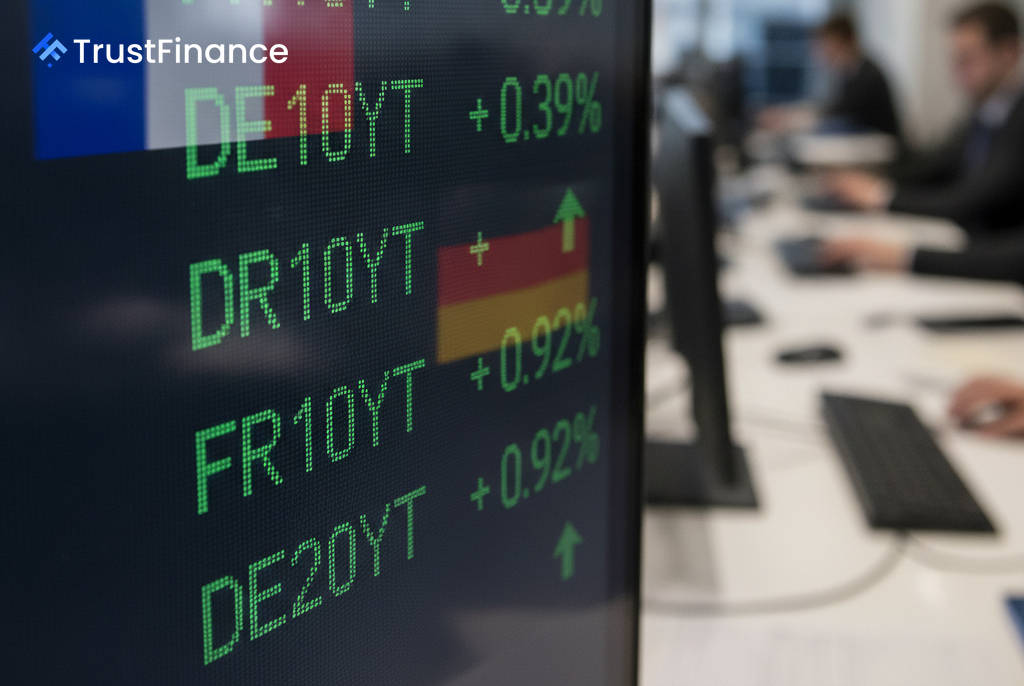
Eurozone Bond Yields Climb as French Fiscal Concerns Return Ahead of Fed, ECB Decisions
Yields on French and German government bonds rose as relief from a ratings affirmation for France proved temporary, with investors refocusing on fiscal challenges and awaiting key policy verdicts from the U.S. Federal Reserve and the European Central Bank.

Canadian Dollar Slips as Markets Await Bank of Canada, Fed Decisions
The Canadian dollar edged lower against its U.S. counterpart, snapping a seven-day winning streak as investors adopted a cautious stance ahead of Wednesday's key interest rate announcements from both the Bank of Canada and the U.S. Federal Reserve.