
Story
Honda and Nissan to Jointly Develop Vehicle Software, Targeting 2029 Rollout
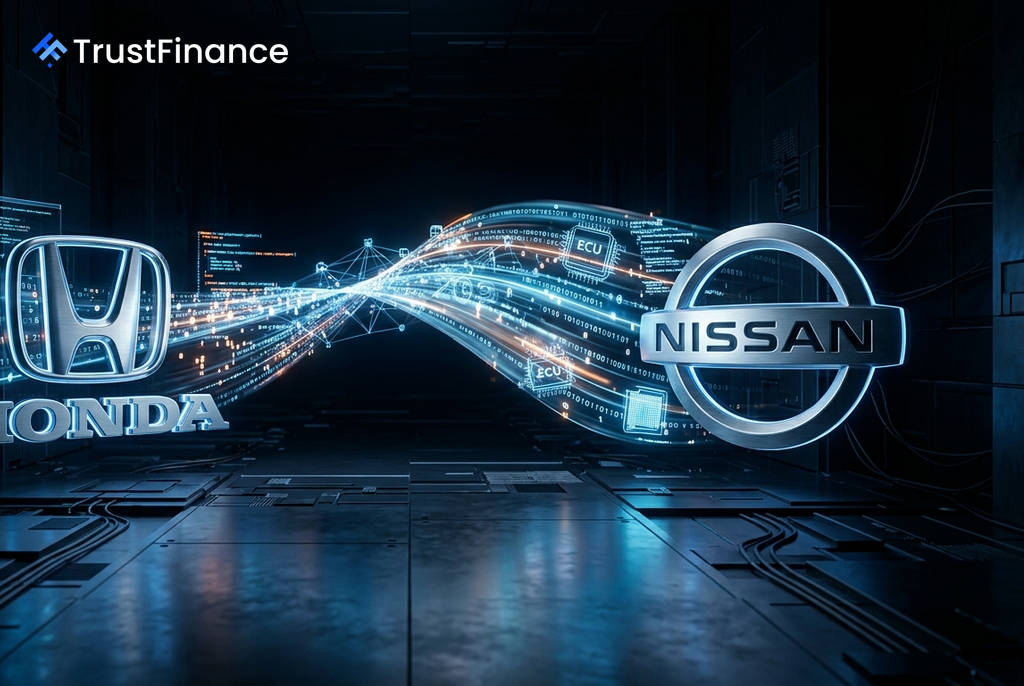
Honda and Nissan are deepening their technological collaboration, announcing a plan to jointly develop a standardized software platform and core electronic components for their next-generation vehicles, slated for introduction in fiscal year 2029.
In a joint statement, the companies said the partnership aims to create a common architecture for so-called software-defined vehicles (SDVs), which rely heavily on software for core functions and updates.
Details of the Collaboration
The agreement focuses on standardizing the foundational technology within the vehicles' electrical and electronic systems. Key areas for joint development include:
- Core Electronic Control Units (ECUs): Establishing common specifications for the primary computers that manage vehicle functions.
- Operating Systems: Creating a shared OS to run vehicle applications.
- Middleware and Control Software: Jointly developing parts of the software that connect the OS to applications and manage vehicle operations.
This collaboration will allow both automakers to streamline development and potentially reduce costs. Nissan's alliance partner, Mitsubishi Motors, also stated it is considering joining the initiative and is in discussions with both companies.
 Ad
Market Context and Strategic Rationale
The move is a direct response to the escalating costs and complexity of modern vehicle development, where software has become a critical competitive battleground. Automakers are investing heavily to support advanced features like autonomous driving, connected services, and over-the-air (OTA) updates.
By pooling resources, Honda and Nissan aim to better compete with global rivals, particularly Chinese automakers such as BYD, which have rapidly gained market share with electric and hybrid vehicles known for their advanced software features. Standardizing core components allows companies to focus resources on developing unique, brand-specific features for consumers.
Background of the Partnership
This agreement formalizes discussions that began in 2024, when the two Japanese automakers first announced they would jointly research next-generation software platforms. It marks a significant step in their collaboration, coming more than a year after the companies reportedly abandoned merger talks that would have created one of the world's largest auto groups.
Read next
More on Stocks
FTC Orders Walmart, Uber, Delta to Disclose Data on Personalized Pricing
The U.S. Federal Trade Commission is demanding nine major companies, including leading retail, travel, and gig economy firms, to provide information on how they use consumer data for setting individual prices and wages.

Google Launches Gemini 4 Carbon AI Model to Bolster Cybersecurity Capabilities
Alphabet's Google has unveiled Gemini 4 Carbon, its latest AI model specifically designed for advanced cybersecurity tasks like vulnerability detection and secure code generation. The launch escalates competition with rivals OpenAI and Anthropic in the enterprise AI market.

Oracle Shares Surge After Unveiling $225 Billion Revenue Target for 2030
Oracle stock rose sharply after the company presented a long-term financial outlook targeting at least $225 billion in annual revenue by fiscal 2030, driven by its expanding AI infrastructure business.

DOJ Scrutinizes Nvidia's $12.9B Hugging Face Deal Amid Broader Antitrust Probe, Sources Say
The U.S. Department of Justice is reportedly examining Nvidia's planned $12.93 billion acquisition of AI platform Hugging Face as part of a wider, ongoing antitrust investigation into the chipmaker's market conduct.