
Story
Goldman Sachs Lifts Oil Forecasts, Citing Protracted Mideast Shipping Disruptions
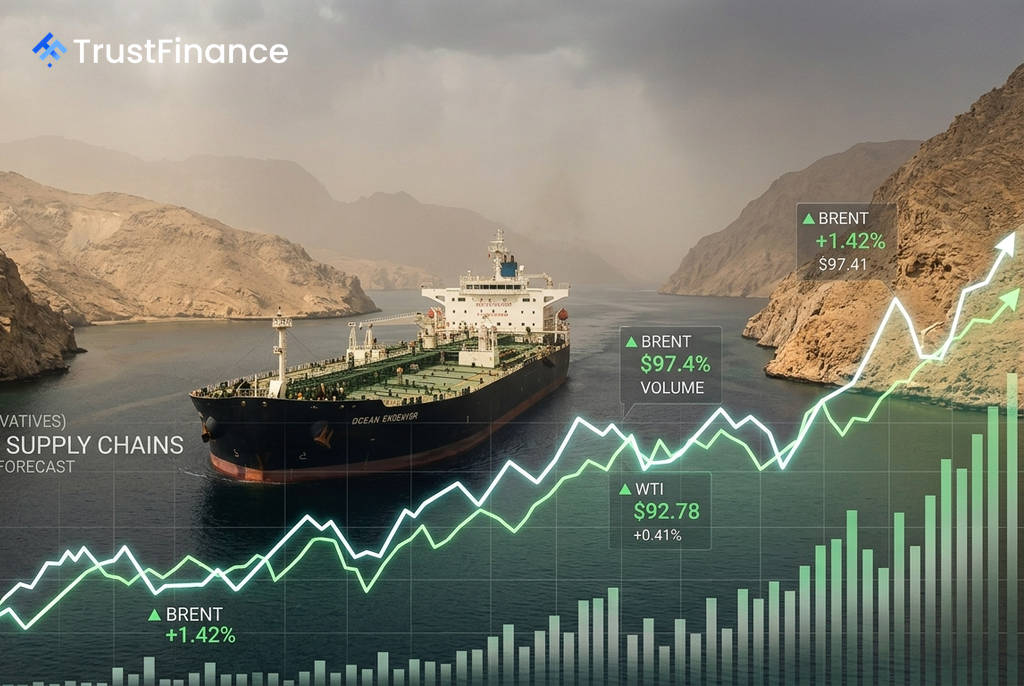
Goldman Sachs has increased its oil price forecasts for the end of 2026 and for 2027, basing the revision on a new assumption that significant shipping disruptions in the Middle East will continue through next year. In a research report, the bank raised its price targets for both Brent and WTI crude by $5 per barrel.
Revised Price Targets
Under the new forecast, Goldman Sachs projects that:
- Brent crude will reach $85 per barrel by December 2026, with West Texas Intermediate (WTI) at $80 per barrel.
- For the full year 2027, the bank forecasts average prices of $80 per barrel for Brent and $75 per barrel for WTI.
The adjustment reflects a persistent geopolitical risk premium being priced into the market due to ongoing tensions. The report noted that risks to prices remain "clearly skewed to the upside," particularly in the short term.
Geopolitical Backdrop
 Ad
The bank's analysis is rooted in escalating conflict in the region. According to the source, Iran has tightened shipping restrictions in the Strait of Hormuz, a critical chokepoint for global oil and gas supplies, following a conflict that began with a U.S. and Israeli attack on February 28. The report also cited threats from Tehran to retaliate against any further attacks on its assets, stating that energy infrastructure across the Gulf is vulnerable.
Mitigating Factors
Despite the heightened risks, Goldman's analysts characterized the forecast increase as limited. The report explained that several factors are expected to temper a more dramatic price surge. These include a smaller-than-expected supply gap, reflected in the fact that commercial onshore inventories in OECD countries have not been significantly drawn down since the conflict began.
Analysts also anticipate that Middle Eastern supply will adjust to the ongoing disruptions. They project an expansion of the "dark fleet" of tankers moving oil covertly and note that several new pipelines are scheduled to become operational by the end of 2027, providing alternative export routes.
Read next
More on Stocks
FTC Orders Walmart, Uber, Delta to Disclose Data on Personalized Pricing
The U.S. Federal Trade Commission is demanding nine major companies, including leading retail, travel, and gig economy firms, to provide information on how they use consumer data for setting individual prices and wages.

Google Launches Gemini 4 Carbon AI Model to Bolster Cybersecurity Capabilities
Alphabet's Google has unveiled Gemini 4 Carbon, its latest AI model specifically designed for advanced cybersecurity tasks like vulnerability detection and secure code generation. The launch escalates competition with rivals OpenAI and Anthropic in the enterprise AI market.

Oracle Shares Surge After Unveiling $225 Billion Revenue Target for 2030
Oracle stock rose sharply after the company presented a long-term financial outlook targeting at least $225 billion in annual revenue by fiscal 2030, driven by its expanding AI infrastructure business.

DOJ Scrutinizes Nvidia's $12.9B Hugging Face Deal Amid Broader Antitrust Probe, Sources Say
The U.S. Department of Justice is reportedly examining Nvidia's planned $12.93 billion acquisition of AI platform Hugging Face as part of a wider, ongoing antitrust investigation into the chipmaker's market conduct.