
Story
Experts Urge FDA to Set Clear Safety and Access Standards for Psychedelic Therapies
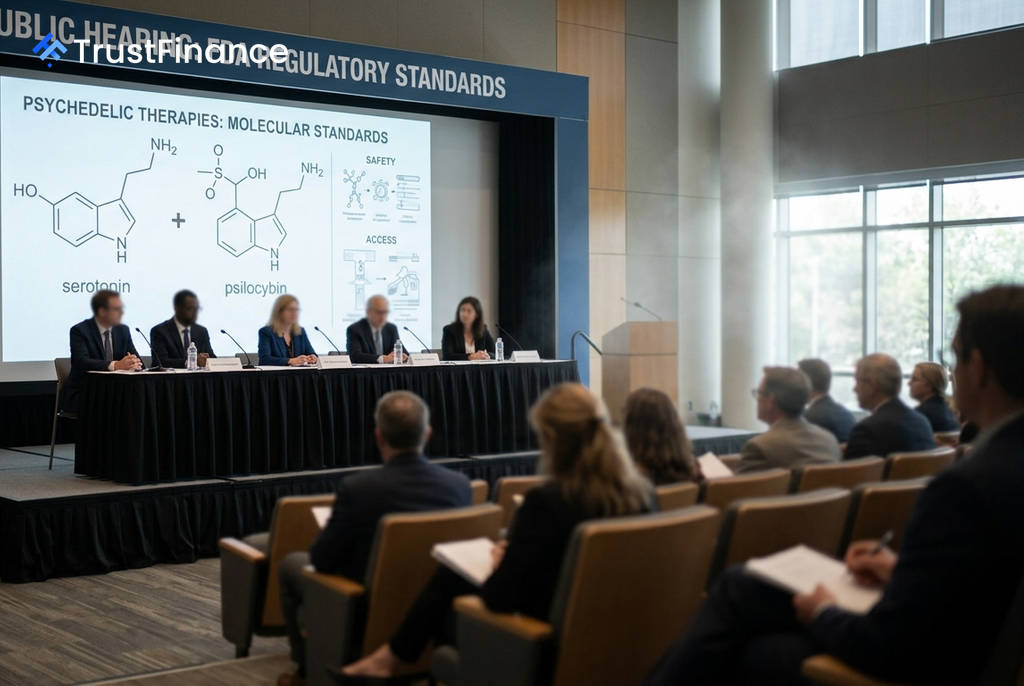
A coalition of doctors, therapists, and patient advocates urged the U.S. Food and Drug Administration (FDA) to establish clear standards for safety and access regarding psychedelic therapies. The call came during a four-hour public meeting convened by the agency as it explores pathways to accelerate the development of these novel treatments for mental health conditions.
Access and Safety Dominate Discussion
Experts at the hearing focused on the practical challenges of rolling out psychedelic-assisted therapies. They stressed that any approved treatment protocol must include the presence of trained staff during sessions, which can last six to 12 hours, as well as rigorous patient screening, follow-up care, and community support.
Key concerns raised by speakers included:
- Provider Training: Ensuring clinicians have proper credentials and training to administer the therapies.
- Data Collection: The need to gather specific data on factors like hormonal status and concomitant medications, as broad results could mask safety issues in specific populations. "Important safety and treatment signals should not disappear inside population averages," said Melissa Lavasani, CEO of the Psychedelic Medicine Coalition.
- Equitable Access: Panelists warned that without insurance coverage and adequate reimbursement for providers, these treatments could become available only to the wealthy. "Approval alone is not access. A breakthrough therapy nobody can reach is not a breakthrough — it is a press release," stated Amna Aslam, an applied research specialist at Radial Health.
 Ad
Regulatory Context and Market Impact
The meeting follows the publication of a paper by senior FDA officials in the *New England Journal of Medicine* that outlined a potential framework for developing and approving psychedelic drugs. The paper signaled the agency's willingness to consider flexible clinical trial designs to address challenges unique to these substances, such as "functional unblinding," where a drug's psychoactive effects make it obvious to participants if they received the treatment or a placebo.
This regulatory engagement has fueled investor interest in the sector, which aims to develop treatments for hard-to-treat conditions like major depressive disorder and PTSD. Analysts suggest that a well-defined regulatory pathway could benefit companies in the space, including Compass Pathways (CMPS) and GH Research (GHRS), though approved treatments are likely still years away. The American Psychiatric Association affirmed that the "FDA’s determination of safety and effectiveness ... must remain the foundation for any future clinical use."
Read next
More on Stocks
FTC Orders Walmart, Uber, Delta to Disclose Data on Personalized Pricing
The U.S. Federal Trade Commission is demanding nine major companies, including leading retail, travel, and gig economy firms, to provide information on how they use consumer data for setting individual prices and wages.

Google Launches Gemini 4 Carbon AI Model to Bolster Cybersecurity Capabilities
Alphabet's Google has unveiled Gemini 4 Carbon, its latest AI model specifically designed for advanced cybersecurity tasks like vulnerability detection and secure code generation. The launch escalates competition with rivals OpenAI and Anthropic in the enterprise AI market.

Oracle Shares Surge After Unveiling $225 Billion Revenue Target for 2030
Oracle stock rose sharply after the company presented a long-term financial outlook targeting at least $225 billion in annual revenue by fiscal 2030, driven by its expanding AI infrastructure business.

DOJ Scrutinizes Nvidia's $12.9B Hugging Face Deal Amid Broader Antitrust Probe, Sources Say
The U.S. Department of Justice is reportedly examining Nvidia's planned $12.93 billion acquisition of AI platform Hugging Face as part of a wider, ongoing antitrust investigation into the chipmaker's market conduct.