
Story
European Gas Prices Ease from Four-Year High, but Low Inventories Provide Strong Support
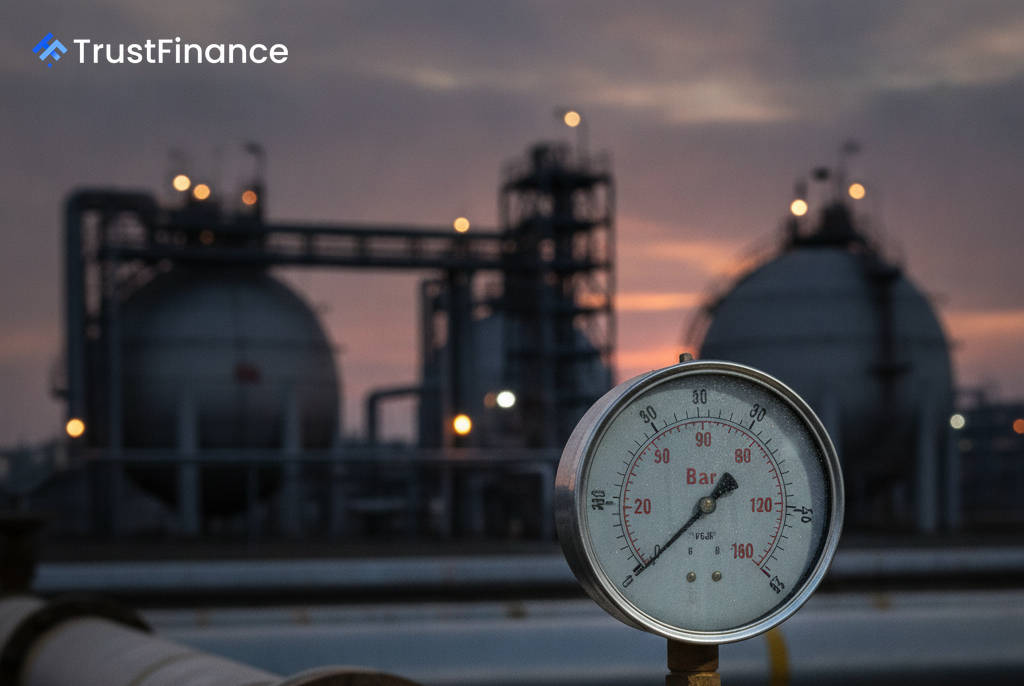
European wholesale natural gas prices fell on Tuesday, pulling back from a four-year high as traders paused after a multi-day rally. Despite the slight downturn, structural support for prices remains firm due to critically low storage levels across the continent and persistent supply-side anxieties.
The benchmark Dutch TTF front-month contract, which had risen for four consecutive sessions, edged down to €96.29 per megawatt-hour (MWh), according to market data. This followed a close of €97.19 on Monday, its highest level in four years. In the United Kingdom, the NBP natural gas futures contract also softened to 238.00 pence per therm from a previous close of 239.33 pence.
Supply Disruptions Fuel Market Jitters
The recent price surge was largely driven by an unexpected supply reduction from Norway, a key supplier to Europe. Norwegian gas grid operator Gassco reported an unplanned outage at the offshore Oseberg gas field, which cut supply by an estimated 12.7 million cubic meters per day.
This disruption hit the market at a sensitive time, with pipeline import volumes already tight. Utilities are scrambling to secure physical supply ahead of the winter heating season, making any unexpected outages a significant factor for short-term price movements.
Critically Low Inventories Underpin Prices
 Ad
Underlying the market's volatility is the precarious state of Europe's gas reserves. According to data from Gas Infrastructure Europe (GIE), underground storage facilities in the European Union are currently at approximately 74.6% of capacity.
This marks the lowest inventory level for late October since GIE records began in 2009. The current fill rate is well below the historical average of 86% for this time of year and significantly lags the 95% level seen at the same point last year, leaving a limited buffer for the winter.
Geopolitical Risks Add to Supply Woes
Compounding the regional supply deficit are broader disruptions to global liquefied natural gas (LNG) flows. Military conflict hindering tanker transit through the Strait of Hormuz has caused seaborne LNG deliveries from the Middle East to Europe to plummet by nearly 80% year-over-year, the source noted.
"The rise in the TTF risk premium is consistent with the market's increased expectations of uncertainty in Middle Eastern energy supply," Goldman Sachs analysts were quoted as saying. With forecasts for cold weather in early November, European buyers may be forced to draw on reserves earlier than usual and compete fiercely with Asian importers for available LNG cargoes.
Read next
More on Commodities
WTI Crude Oil Nears Key $103.50 Resistance, Raising 'Bull Trap' Concerns
West Texas Intermediate crude oil is testing a major technical resistance level around $103.50, but overbought conditions and a potential bearish chart pattern are raising concerns about a possible reversal.

Gold Price Enters 'Extreme Oversold' Territory as Bearish Trend Intensifies
Gold prices have fallen sharply, pushing the Relative Strength Index (RSI) to an extremely oversold level of 23.67, yet multiple other indicators suggest the strong downtrend remains firmly in place.

Natural Gas RSI Hits Extreme Oversold Level Near Key $2.616 Support
Natural gas prices have plunged, pushing the Relative Strength Index (RSI) to an extremely oversold reading of 19.04 as the commodity tests a critical support level, creating a complex technical picture for traders.

UBS Forecasts Silver to Reach $80 by Late 2027, Citing AI Demand and Supply Deficit
UBS Global Wealth Management projects silver could climb to $80 per ounce by the end of 2027, driven by rising industrial demand from AI infrastructure and a persistent structural supply gap, despite near-term headwinds from tight monetary policy.