
Story
Copper Prices Rise as Chinese Buyers Capitalize on Recent Dip
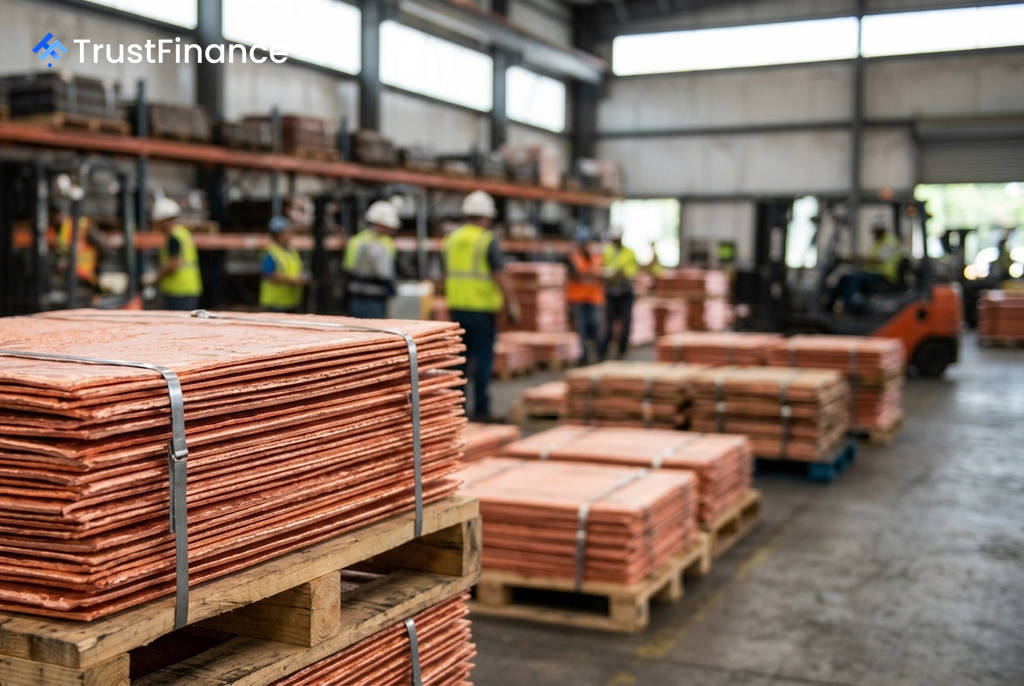
Copper prices advanced on Thursday, buoyed by signs that Chinese buyers are re-entering the market to capitalize on a recent price drop from record highs. The rally occurred despite headwinds from a stronger U.S. dollar following a Federal Reserve interest rate increase.
Prices Rebound from Record Peak
Benchmark copper on the London Metal Exchange (LME) rose 1.2% to settle at $14,408 per metric ton in official trading, according to a report from Investing.com. The industrial metal, often seen as a barometer for global economic health, had retreated 4% since hitting a historic high of $14,875 per ton on September 10.
The price recovery defied typical market dynamics, as the U.S. Federal Reserve's announcement of a rate hike strengthened the dollar. A more valuable dollar usually makes commodities priced in the currency more expensive for holders of other currencies, dampening demand.
China's Demand Signals Strength
Several key metrics point to a resurgence in buying from China, the world's largest consumer of copper, suggesting that underlying physical demand remains strong despite recent price volatility.
 Ad
Key indicators of this renewed appetite include:
- The Yangshan copper premium, a closely watched gauge of Chinese import demand, climbed to $118 per ton on Wednesday, its highest level since October 2022.
- The domestic spot premium for physical copper over Shanghai Futures Exchange (SHFE) prices jumped to 645 yuan per ton, a peak not seen since December 2023.
- Copper inventories in SHFE-monitored warehouses fell to 54,780 tons, the lowest level since January 2024.
Market Implications
The decline in Chinese stockpiles was partly attributed to traders shipping metal to the United States in anticipation of potential import tariffs, the source noted. For investors, the return of Chinese "dip-buying" provides a fundamental support for copper prices, potentially establishing a new floor after the recent correction.
The market now faces a tug-of-war between these robust physical demand signals from China and broader macroeconomic pressures from a strong dollar and tighter global monetary policy.
Read next
More on Commodities
U.S. Crude Inventories Post Surprise Draw While Gasoline Stocks Swell, EIA Reports
U.S. crude oil stockpiles fell unexpectedly last week, driven by a surge in exports, while gasoline inventories saw a significant build amid weakening demand, according to the latest EIA data.

UBS Raises Year-End Brent Forecast to $110 on Middle East Supply Risks
UBS has increased its year-end forecast for Brent crude to $110 per barrel, citing escalating supply risks in the Middle East, declining global inventories, and record-high freight costs.

Iran Dismisses Latest Qatari Peace Proposal as 'Unacceptable'
A senior Iranian official has rejected the latest Qatari-mediated draft deal to end the eight-month war, calling the ideas 'unacceptable' and signaling a continued diplomatic impasse. The news comes amid rising oil prices following attacks on Saudi energy infrastructure.

Argentina Poised to Gain EU Soymeal Market Share as Deforestation Rules Hit Brazil
Argentina's soybean industry is preparing to capture a larger share of the European Union's soymeal market as new EU anti-deforestation rules are expected to disrupt exports from rival Brazil.