
Story
China Directs Refiners to Maintain High Output Amid Mideast Tensions
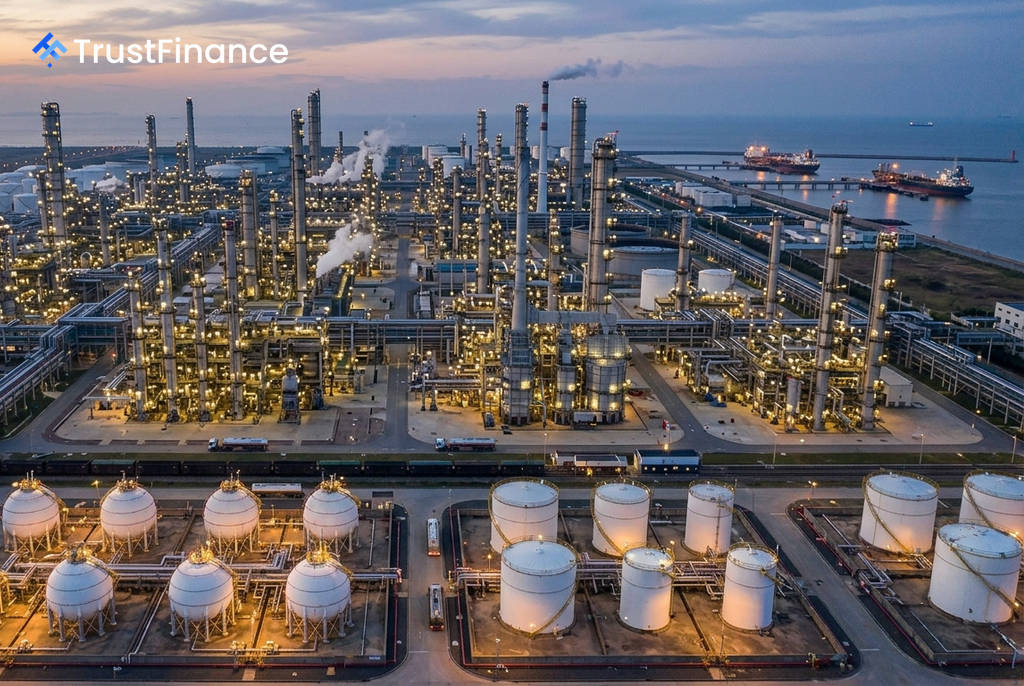
China has reportedly instructed some of its largest oil refiners to maintain high fuel production, a move aimed at ensuring domestic energy security amid rising geopolitical tensions between the United States and Iran that threaten crude shipments. The directive underscores Beijing's focus on supply stability as conflict risks grow around the critical Strait of Hormuz.
Directive Amid High Inventories
According to a Bloomberg News report citing people familiar with the matter, at least two major refineries have been told to maintain or increase their processing rates. This order comes despite elevated domestic inventories of gasoline and diesel and a structural slowdown in China's fuel demand.
Beijing is reportedly not planning to revise its July fuel export quotas. This indicates that the government's primary focus is on shoring up domestic supplies rather than altering its export policy, even after recently easing some export restrictions that were put in place when the conflict first began.
Impact on Asian Markets
The move to keep refinery run rates high is expected to exert further pressure on already weak Asian refining margins. Higher output from China, the world's largest crude importer, could add to a regional fuel surplus.
 Ad
Key market indicators are already showing signs of strain:
- The spread between regional gasoline prices and Dubai crude has reportedly fallen to its lowest point since late March.
- The directive comes as Washington's decision to revoke a waiver for Iranian crude sales adds another layer of uncertainty to global supply chains.
Geopolitical Context
This policy action highlights Beijing's preparations for a potentially prolonged period of geopolitical risk in the Middle East. The Strait of Hormuz, located between the Persian Gulf and the Gulf of Oman, is a vital transit chokepoint for global energy markets.
Approximately one-fifth of the world's total oil consumption passes through the strait, making any disruption a significant threat to global energy security. China's directive signals a proactive step to insulate its domestic market from potential volatility and supply interruptions.