
Story
Bank of America Reaffirms Utilities Outlook on Strong Earnings, Data Center Demand
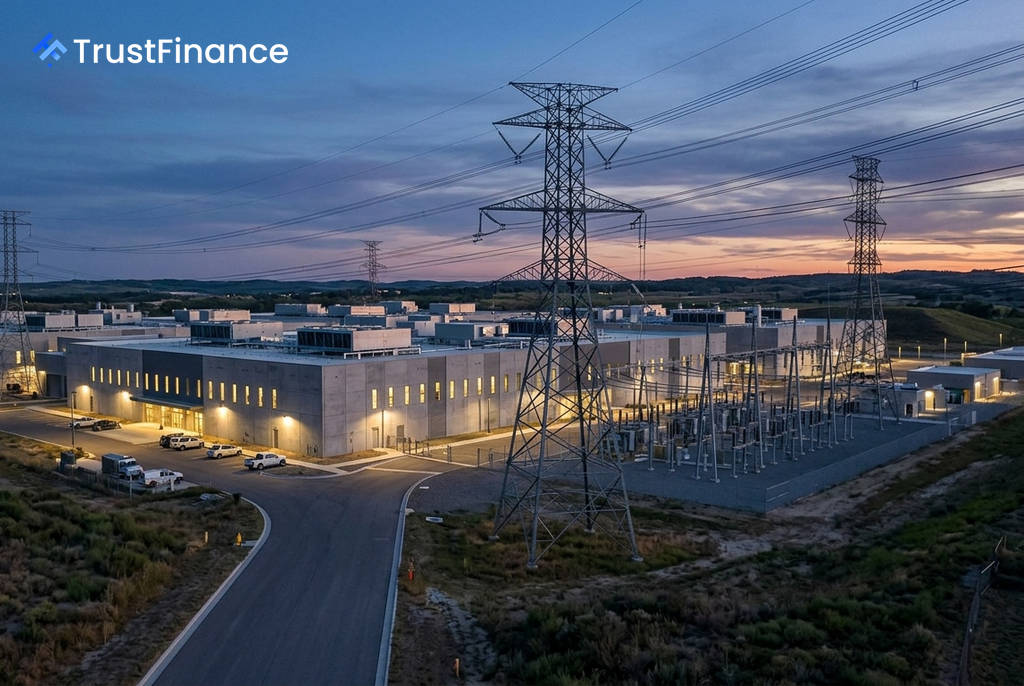
Bank of America has reaffirmed its positive growth outlook for the U.S. power and utilities sector, citing a strong second-quarter 2026 earnings season where the majority of companies surpassed expectations. The bank's mid-quarter review noted that robust demand, particularly from data centers, and constructive regulatory execution are key drivers supporting the sector's performance.
Strong Q2 Earnings Beat Expectations
According to the BofA report, the earnings season was largely successful, with 12 of the 14 covered utilities exceeding the bank’s own earnings estimates. Furthermore, eight companies beat consensus market expectations, four met forecasts, and only two missed.
The positive results were attributed to several factors, including rate relief, growth in customer numbers and electricity load, and earnings from construction projects. These tailwinds successfully offset headwinds from higher interest expenses, depreciation, share dilution, and general operating costs.
Data Center Demand Fuels Growth Outlook
Surging electricity demand from data centers continues to be a primary catalyst for growth. The report highlighted significant increases in contracted load and development pipelines across the sector:
 Ad
- AEP reported its contracted load has reached 69 gigawatts.
- FirstEnergy (FE) saw its contracted and pipeline demand increase by 30% to 24.8 gigawatts.
- Xcel Energy (XEL) maintained a development pipeline of more than 20 gigawatts.
- NextEra Energy (NEE) increased its large-load forecast for its Florida Power & Light subsidiary to 8 gigawatts.
Reflecting this confidence, most utilities reaffirmed their annual guidance. Several firms issued upward revisions, including AEP, which raised its 2026 range by $0.10, and Idaho Power's parent company, IDACORP (IDA), which increased its guidance floor by $0.05. Xcel Energy also raised its expected average growth rate through 2030 to above 9%.
Regulatory Execution and Risk Management
The report observed a trend of constructive regulatory execution, with utilities increasingly linking their growth plans with affordability measures for existing customers. To manage the risks associated with large-scale infrastructure projects, companies are implementing specific tariffs and protections.
These measures include large-load tariffs, customer collateral requirements, minimum-demand provisions, and termination protections. BofA noted that these tools are designed to shield existing ratepayers from the risks of stranded assets should a large new customer, like a data center, alter its plans. The bank pointed to a pipeline reset at Exelon (EXC) and cautious commentary from NorthWestern Energy (NWE) as examples highlighting the importance of signed agreements and realistic project timelines.
Read next
More on Stocks
FTC Orders Walmart, Uber, Delta to Disclose Data on Personalized Pricing
The U.S. Federal Trade Commission is demanding nine major companies, including leading retail, travel, and gig economy firms, to provide information on how they use consumer data for setting individual prices and wages.

Google Launches Gemini 4 Carbon AI Model to Bolster Cybersecurity Capabilities
Alphabet's Google has unveiled Gemini 4 Carbon, its latest AI model specifically designed for advanced cybersecurity tasks like vulnerability detection and secure code generation. The launch escalates competition with rivals OpenAI and Anthropic in the enterprise AI market.

Oracle Shares Surge After Unveiling $225 Billion Revenue Target for 2030
Oracle stock rose sharply after the company presented a long-term financial outlook targeting at least $225 billion in annual revenue by fiscal 2030, driven by its expanding AI infrastructure business.

DOJ Scrutinizes Nvidia's $12.9B Hugging Face Deal Amid Broader Antitrust Probe, Sources Say
The U.S. Department of Justice is reportedly examining Nvidia's planned $12.93 billion acquisition of AI platform Hugging Face as part of a wider, ongoing antitrust investigation into the chipmaker's market conduct.