
Story
Asian Currencies Weaken as Dollar Firms Ahead of Fed, BOJ Decisions

Most Asian currencies weakened on Tuesday, pressured by a stronger U.S. dollar ahead of a pivotal Federal Reserve policy decision, while the Japanese yen pulled back from a seven-month high as traders anticipated a rate hike from the Bank of Japan.
Dollar Strengthens on Fed Hike Expectations
The U.S. dollar index, which measures the greenback against a basket of currencies, rose toward a two-week peak, trading around 99.60. The move was driven by broad market expectations that the Federal Reserve will announce an interest rate increase on Wednesday.
According to the CME FedWatch Tool, markets are pricing in a 93% probability of a rate hike. With the increase largely priced in, investors will be closely scrutinizing the Fed's forward guidance for clues on the future path of monetary policy. Analysts at DBS cautioned against chasing the dollar's pre-FOMC gains, noting that markets have already priced in a hiking cycle even as a hold remains a possibility.
Yen Retreats as BOJ Focus Shifts to Guidance
The Japanese yen weakened, with the USD/JPY pair rising about 0.2% to 154.70. This extends the currency's retreat from the seven-month high of 152.89 reached last week. The market has widely anticipated that the Bank of Japan (BOJ) will deliver a 25-basis-point rate hike on Friday.
 Ad
Because the rate move is already expected, its direct impact on the yen may be limited. Instead, the currency's performance will likely be more sensitive to the BOJ's accompanying statement and any signals about the pace and scale of future policy tightening.
Broader Asia Weighed by Oil Prices and Central Bank Outlook
The combination of a stronger dollar and rising crude oil prices exerted pressure on other regional currencies, particularly those of energy-importing nations.
- The South Korean won saw the USD/KRW pair climb 0.6%.
- The Indonesian rupiah was under pressure, with USD/IDR up 0.2% to 17,682.5.
- The Australian and New Zealand dollars also weakened.
- The Indian rupee, Singapore dollar, and Malaysian ringgit posted modest losses against the dollar.
In Indonesia, the rupiah's move came after President Prabowo Subianto replaced the country's finance minister on Monday. DBS Senior Economist Radhika Rao noted that while the initial market reaction should be constructive, the rupiah is expected to trade in a 17,600-17,800 range against the dollar, limited by broader greenback strength.
Read next
More on Forex
Polish Zloty Hits 11-Month Low Against Euro on Energy Price Pressure
The Polish zloty weakened to 4.410 against the euro, its lowest point since November 2023, as rising energy prices and caution ahead of a U.S. Federal Reserve decision weighed on the currency.

Sterling Slips as Dollar Strengthens Ahead of Fed Decision and UK Budget
The British pound lost ground against a resurgent U.S. dollar on Wednesday as market attention shifted from tech sector volatility to upcoming central bank decisions and the UK budget announcement.
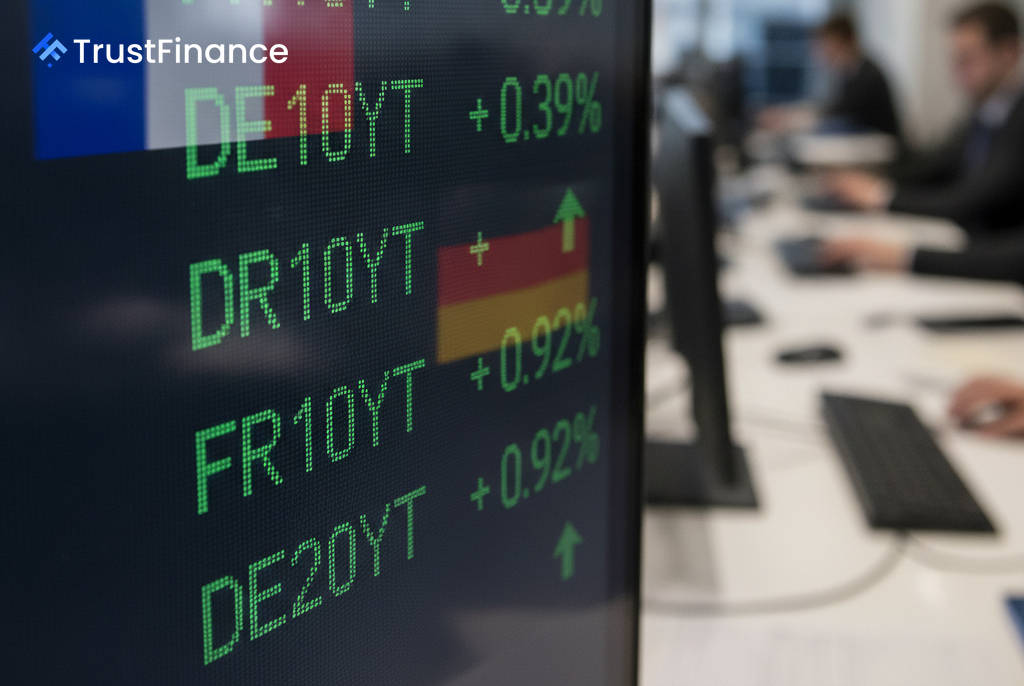
Eurozone Bond Yields Climb as French Fiscal Concerns Return Ahead of Fed, ECB Decisions
Yields on French and German government bonds rose as relief from a ratings affirmation for France proved temporary, with investors refocusing on fiscal challenges and awaiting key policy verdicts from the U.S. Federal Reserve and the European Central Bank.

Canadian Dollar Slips as Markets Await Bank of Canada, Fed Decisions
The Canadian dollar edged lower against its U.S. counterpart, snapping a seven-day winning streak as investors adopted a cautious stance ahead of Wednesday's key interest rate announcements from both the Bank of Canada and the U.S. Federal Reserve.