
Story
Asian Currencies Trade Flat as Oil Prices and Geopolitical Risks Weigh on Sentiment

Asian currencies were largely range-bound on Thursday as a risk-off tone settled over markets, driven by surging oil prices and renewed geopolitical tensions in the Middle East. The Japanese yen held near a multi-month high, while the U.S. dollar was steady as investors await critical U.S. inflation reports for further direction.
Cautious Tone Dominates as Oil, Geopolitical Risks Rise
Investor sentiment soured as Brent crude oil futures remained above $100 a barrel, climbing as high as $101.94 amid reports of escalating conflict between the U.S. and Iran. The rise in energy prices is fueling concerns about persistent inflation and its impact on global growth.
This cautious mood was reflected in bond markets, where the U.S. 10-year Treasury yield held near 4.85%, its highest level since late 2023. Meanwhile, the U.S. dollar index, which measures the greenback against a basket of currencies, was little changed at 98.76. Market participants are now focused on the upcoming U.S. producer price data due later Thursday, followed by the more influential consumer price index on Friday, which will heavily influence the Federal Reserve's next policy move. Swaps pricing indicates a 62% probability of a quarter-point Fed rate hike in September, according to market data.
Yen Holds Gains on BOJ Rate Hike Expectations
The Japanese yen's recent rally paused, with the USD/JPY pair trading around 153.47. The yen had strengthened to 152.89 on Tuesday, its strongest level in seven months, before paring some of its gains. The currency's strength is underpinned by growing expectations that the Bank of Japan (BOJ) will raise interest rates by 25 basis points at its September 18 meeting.
Other factors supporting the yen include the potential for repatriation of Japanese funds and the unwinding of carry trades, where investors borrow in a low-interest-rate currency to invest in a higher-yielding one. The sharp move has also put the market on alert for potential currency intervention from Japanese authorities.
 Ad
Yuan Firm, Rupee Pressured Amid Diverging Pressures
Elsewhere in Asia, the Chinese yuan remained firm, with the offshore yuan (USD/CNH) trading near a four-year high. The currency found support after official data showed a rebound in China's consumer and producer prices in August, partly driven by higher energy costs.
In contrast, the Indian rupee faced renewed pressure from elevated oil prices, as India is a major energy importer. The USD/INR pair traded around 95.16, with traders anticipating that the Reserve Bank of India may intervene to slow the currency's decline.
Other regional currency movements were mixed:
- The South Korean won strengthened slightly, with the USD/KRW pair falling to 1,339.35.
- The Singapore dollar edged lower, with the USD/SGD pair rising to 1.26.
- The Australian dollar was steady near $0.72, while the New Zealand dollar was near $0.58.
Read next
More on Forex
Polish Zloty Hits 11-Month Low Against Euro on Energy Price Pressure
The Polish zloty weakened to 4.410 against the euro, its lowest point since November 2023, as rising energy prices and caution ahead of a U.S. Federal Reserve decision weighed on the currency.

Sterling Slips as Dollar Strengthens Ahead of Fed Decision and UK Budget
The British pound lost ground against a resurgent U.S. dollar on Wednesday as market attention shifted from tech sector volatility to upcoming central bank decisions and the UK budget announcement.
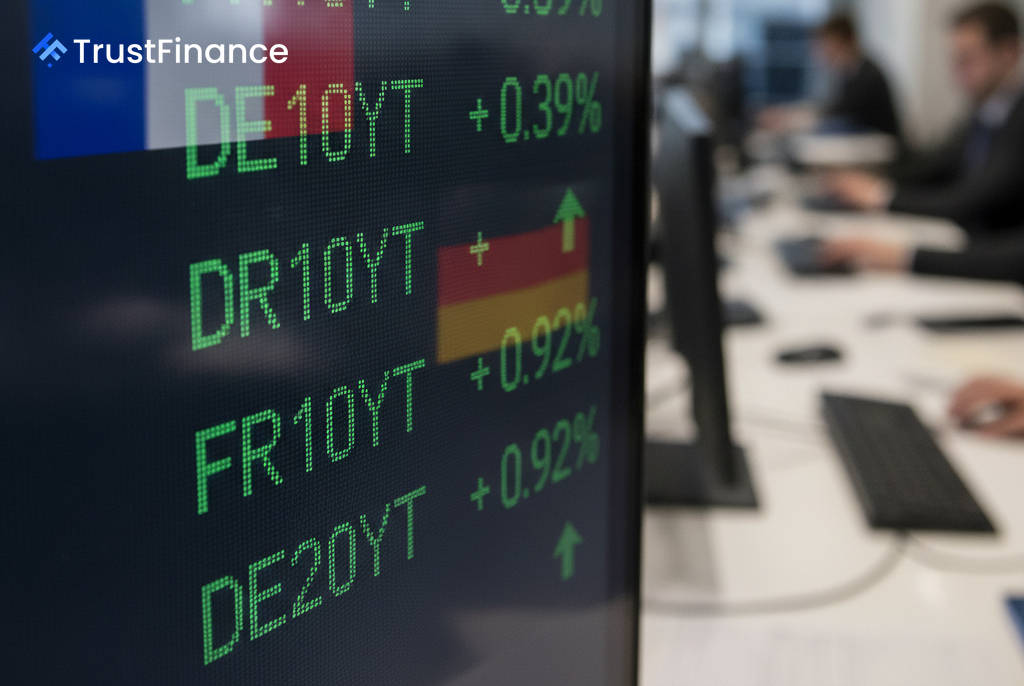
Eurozone Bond Yields Climb as French Fiscal Concerns Return Ahead of Fed, ECB Decisions
Yields on French and German government bonds rose as relief from a ratings affirmation for France proved temporary, with investors refocusing on fiscal challenges and awaiting key policy verdicts from the U.S. Federal Reserve and the European Central Bank.

Canadian Dollar Slips as Markets Await Bank of Canada, Fed Decisions
The Canadian dollar edged lower against its U.S. counterpart, snapping a seven-day winning streak as investors adopted a cautious stance ahead of Wednesday's key interest rate announcements from both the Bank of Canada and the U.S. Federal Reserve.