
Story
Asian Currencies Dip as Dollar Strengthens on Iran Sanctions, High Yields
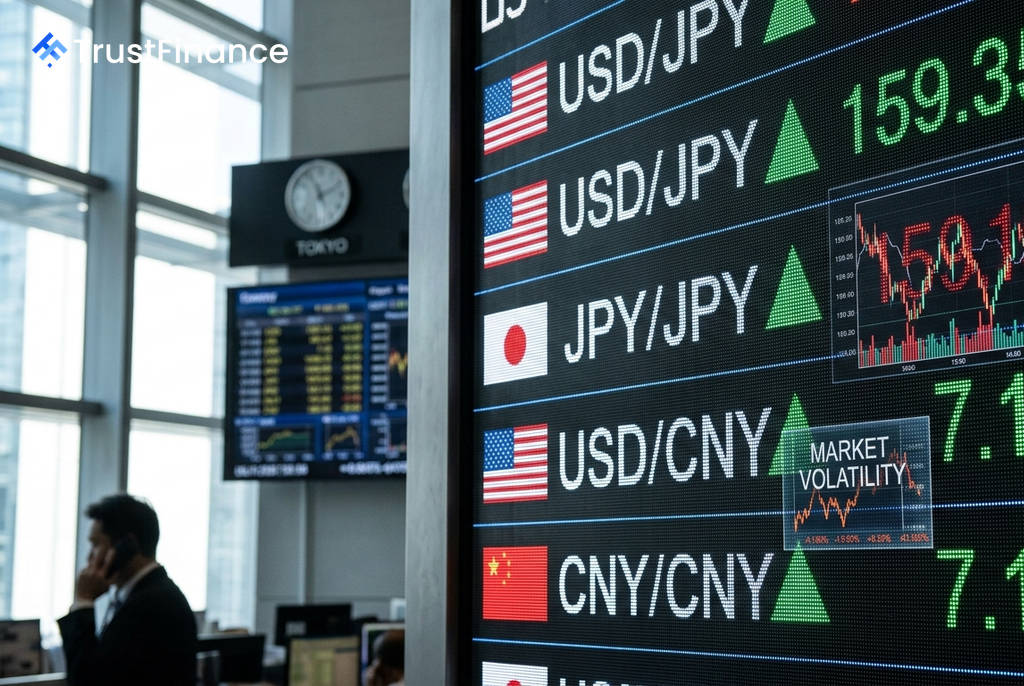
Most Asian currencies retreated on Tuesday as the U.S. dollar edged higher, buoyed by expanded sanctions against Iran and persistently elevated Treasury yields. Market focus is now shifting towards key U.S. inflation data and upcoming commentary from the Federal Reserve.
Dollar Finds Support on Iran Sanctions
The dollar drew some safe-haven bids after U.S. Treasury Secretary Scott Bessent announced wider sanctions targeting Iran. According to the announcement, countries and businesses that continue to trade with Iran risk being cut off from the dollar-based financial system. Iran has vowed to retaliate, adding a layer of geopolitical uncertainty to markets.
In response to these developments, the U.S. Dollar Index gained 0.1% to trade at 98.95 in early Asian hours, building on a 0.2% rise from the previous session. However, investor concerns about U.S. fiscal risks appeared to limit sustained demand for the currency.
Regional Currencies Under Pressure
The dollar's modest rebound placed broad pressure on Asian foreign exchange markets. The moves were generally contained as traders awaited more significant market drivers.
 Ad
- The Japanese yen weakened, with the USD/JPY pair rising 0.2% to 159.35.
- The South Korean won also dipped, as the USD/KRW pair gained 0.1%.
- The Chinese yuan, Singapore dollar, and Indian rupee were largely flat against the greenback.
The Australian dollar was also muted. Recently released minutes from the Reserve Bank of Australia's August meeting showed that policymakers were divided on whether another interest rate hike was necessary to address inflation risks.
Treasury Yields and Fed Policy in Focus
Elevated U.S. Treasury yields continue to be a key factor for global markets, keeping pressure on borrowing costs and weighing on risk-sensitive assets. Reports indicated the U.S. Treasury may take steps to ease this pressure, including using its roughly $940 billion cash account to purchase long-dated debt.
This would supplement existing plans to double quarterly buybacks of 10- to 30-year securities to $4 billion per operation, starting September 10. Looking ahead, investors are awaiting Wednesday's release of the July personal consumption expenditures (PCE) price index, the Federal Reserve's preferred inflation gauge. Further clues on monetary policy are expected from Fed Chair Kevin Warsh's speech at the Jackson Hole symposium on Friday.
Read next
More on Forex
Polish Zloty Hits 11-Month Low Against Euro on Energy Price Pressure
The Polish zloty weakened to 4.410 against the euro, its lowest point since November 2023, as rising energy prices and caution ahead of a U.S. Federal Reserve decision weighed on the currency.

Sterling Slips as Dollar Strengthens Ahead of Fed Decision and UK Budget
The British pound lost ground against a resurgent U.S. dollar on Wednesday as market attention shifted from tech sector volatility to upcoming central bank decisions and the UK budget announcement.

Eurozone Bond Yields Climb as French Fiscal Concerns Return Ahead of Fed, ECB Decisions
Yields on French and German government bonds rose as relief from a ratings affirmation for France proved temporary, with investors refocusing on fiscal challenges and awaiting key policy verdicts from the U.S. Federal Reserve and the European Central Bank.

Canadian Dollar Slips as Markets Await Bank of Canada, Fed Decisions
The Canadian dollar edged lower against its U.S. counterpart, snapping a seven-day winning streak as investors adopted a cautious stance ahead of Wednesday's key interest rate announcements from both the Bank of Canada and the U.S. Federal Reserve.