
Story
Verizon and T-Mobile Settle Lawsuits Over Misleading Ad Claims
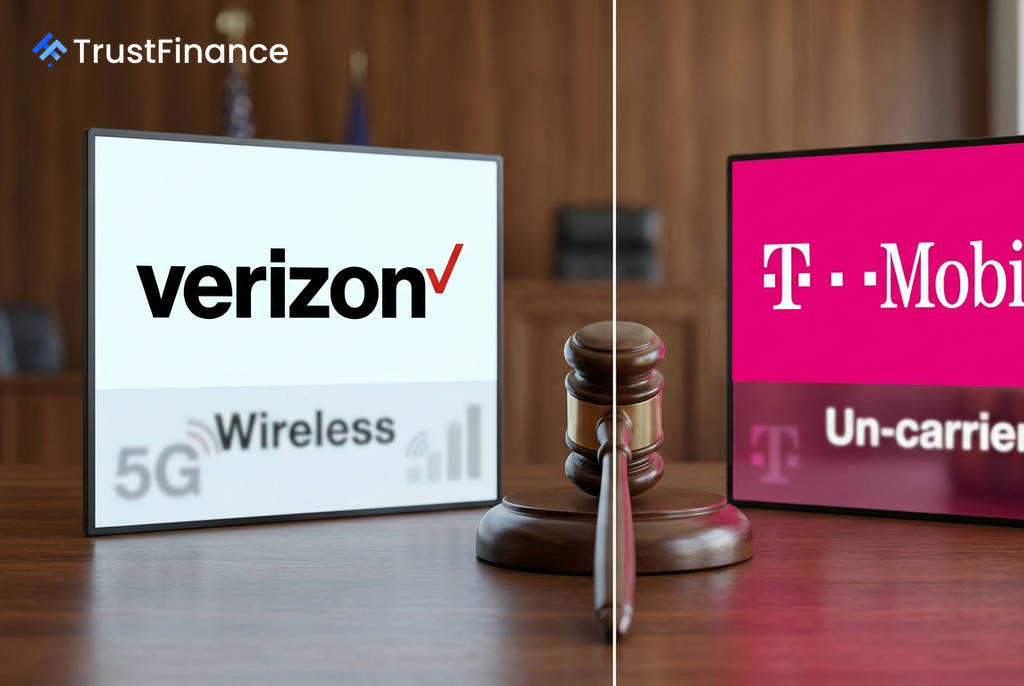
Verizon Wireless and T-Mobile have settled their respective lawsuits, ending a legal battle in which each wireless giant accused the other of false and misleading advertising regarding savings for customers who switch carriers. A stipulation of dismissal for both the initial lawsuit and a countersuit was filed in Manhattan federal court on Friday, according to court records.
The Settlement
The agreement, whose financial terms were not disclosed, concludes a contentious dispute that began when Verizon filed its lawsuit in February. The dismissal comes more than five months after U.S. District Judge Lewis Kaplan issued a preliminary injunction in Verizon's favor.
According to the source material, settlement discussions had included a potential framework for resolving similar advertising-related disputes between the two companies in the future, signaling a possible de-escalation in this type of legal conflict.
Background of the Dispute
The legal conflict centered on aggressive marketing campaigns designed to attract new subscribers in the highly competitive U.S. wireless market. Verizon's lawsuit targeted T-Mobile's "Save Over $1,000" campaign and later expanded its claims to include allegations that T-Mobile ads misled customers with promises of over $3,700 in savings over five years.
 Ad
T-Mobile responded with a countersuit, alleging that Verizon's own campaign was false because the carrier could not definitively promise customers a "better deal." The preliminary injunction had blocked T-Mobile from continuing its challenged campaign while the case proceeded.
Market Context
This settlement removes a legal overhang for two of the largest players in the U.S. telecom industry, where carriers constantly vie for market share through promotional offers. Aggressive advertising is a primary tool for influencing subscriber churn, a critical metric for investors.
As of its last quarterly report on June 30, Verizon had 147 million subscribers. The resolution allows both companies to move past this specific legal distraction, though the intense marketing rivalry for customers is expected to persist.
Read next
More on Stocks
FTC Orders Walmart, Uber, Delta to Disclose Data on Personalized Pricing
The U.S. Federal Trade Commission is demanding nine major companies, including leading retail, travel, and gig economy firms, to provide information on how they use consumer data for setting individual prices and wages.

Google Launches Gemini 4 Carbon AI Model to Bolster Cybersecurity Capabilities
Alphabet's Google has unveiled Gemini 4 Carbon, its latest AI model specifically designed for advanced cybersecurity tasks like vulnerability detection and secure code generation. The launch escalates competition with rivals OpenAI and Anthropic in the enterprise AI market.

Oracle Shares Surge After Unveiling $225 Billion Revenue Target for 2030
Oracle stock rose sharply after the company presented a long-term financial outlook targeting at least $225 billion in annual revenue by fiscal 2030, driven by its expanding AI infrastructure business.

DOJ Scrutinizes Nvidia's $12.9B Hugging Face Deal Amid Broader Antitrust Probe, Sources Say
The U.S. Department of Justice is reportedly examining Nvidia's planned $12.93 billion acquisition of AI platform Hugging Face as part of a wider, ongoing antitrust investigation into the chipmaker's market conduct.