
Story
US Sanctions Iranian Financier and Affiliates Amid Renewed Gulf Tensions
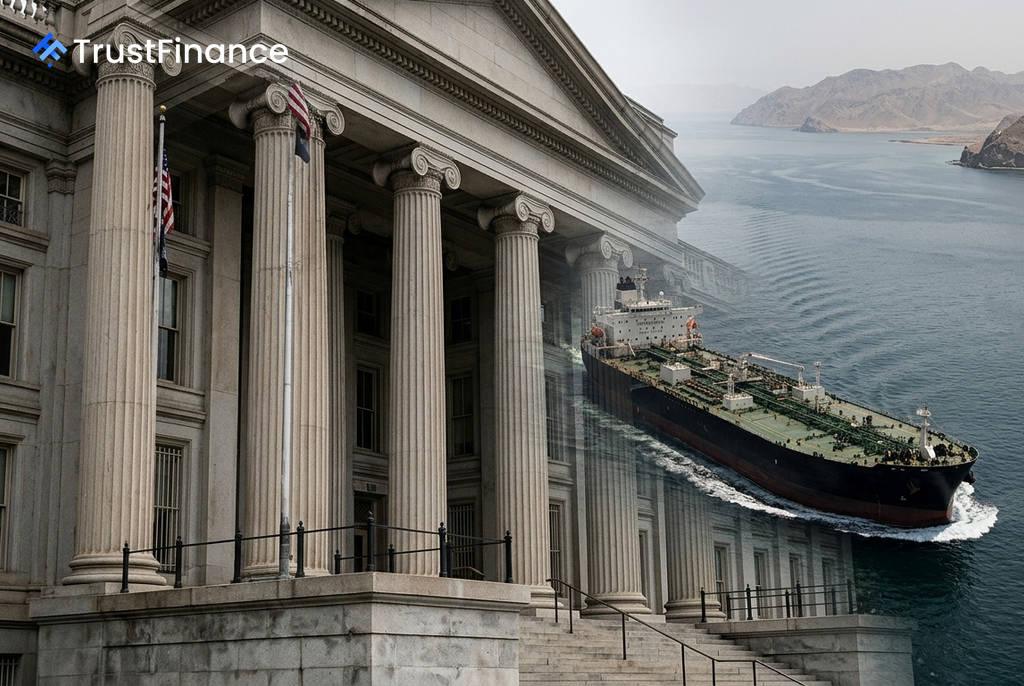
The United States has imposed new sanctions on 14 individuals and entities, including a prominent Dubai-based financier allegedly linked to Iran's Supreme Leader, Ayatollah Mojtaba Khamenei. The U.S. Treasury Department announced the measures Friday, citing recent Iranian attacks on commercial oil tankers in the Strait of Hormuz as the catalyst for the action.
Sanctions Target Key Financial Network
The Treasury’s Office of Foreign Assets Control (OFAC) designated Ali Ansari, an Iranian banker and businessman who had previously been sanctioned by the United Kingdom. According to the Treasury, Ansari diverted public wealth into an extensive overseas portfolio of real estate and commercial holdings to enrich himself, government elites, and the Islamic Revolutionary Guard Corps (IRGC).
In addition to Ansari, the sanctions target a broader network that includes:
- Three Iran-based exchange houses.
- Foreign front companies, including Hong Kong-based CDM Trading Limited and UAE-based Naba Alzaki Raw Materials Trading LLC.
Treasury officials stated this network moved billions of dollars annually on behalf of sanctioned Iranian banks, using layers of shell companies to obscure the illicit activity. "The United States is taking decisive action to cut off the financial lifelines sustaining Iran’s ruling elite," said State Department spokesman Tommy Pigott.
Geopolitical Context and Market Impact
 Ad
These financial measures follow a significant escalation in regional conflict, which the source reports included Iranian fire on Qatari and Saudi tankers, subsequent U.S. strikes on Iranian sites, and retaliatory Iranian strikes on U.S. military facilities in Gulf states. The sanctions signal a hardening of U.S. policy at a time of high tension.
"Washington is no longer trying to salvage the existing framework. It’s preparing to replace it entirely,” commented Brett Erickson, managing principal at Obsidian Risk Advisors. For investors, the escalating conflict and sanctions regime heighten geopolitical risk in the Middle East, which can introduce significant volatility into energy markets and global supply chains.
Iran Alleges Violation of Agreement
Iranian officials condemned the new sanctions, claiming they breach a recent diplomatic understanding. In a post on the social media platform X, Foreign Minister Abbas Araqchi accused the U.S. of violating Article 9 of a memorandum of understanding, which he said stipulated that Washington would not impose new sanctions.
"Reality check: There can only be mutual compliance," Araqchi wrote. The diplomatic fallout complicates any path to de-escalation, with U.S. President Donald Trump stating Friday that a ceasefire with Iran was over, though he noted Washington had agreed to continue talks at Tehran's request.