
Story
US Natural Gas Power Costs Hit 17-Year High Amid Data Center Boom, Lazard Reports
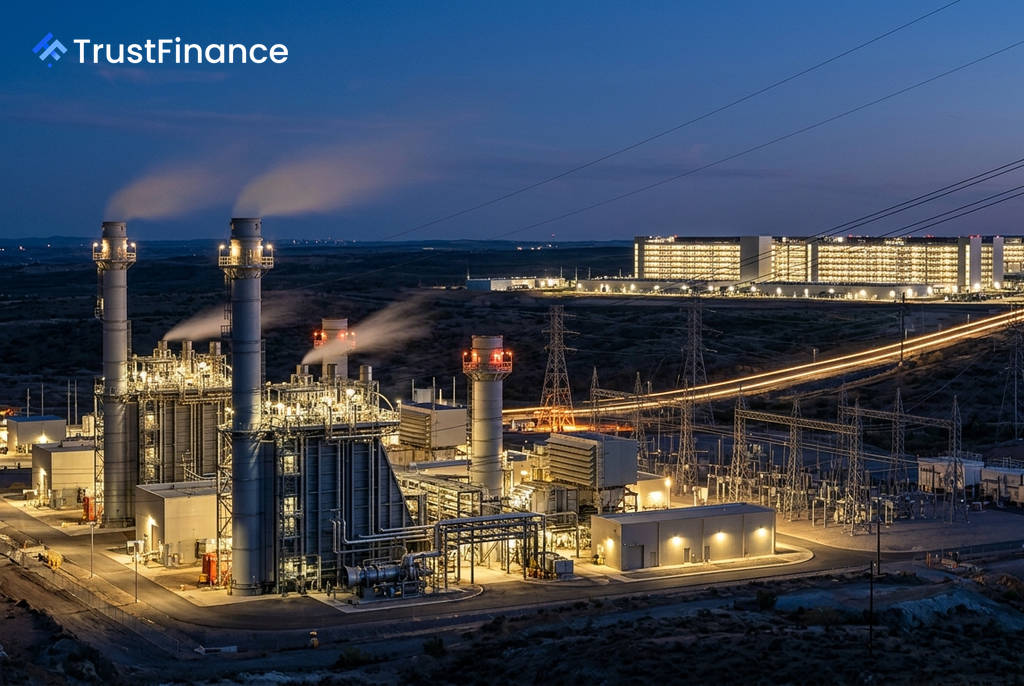
The cost to generate electricity from new U.S. natural gas plants has climbed to a 17-year high, fueled by surging power demand from the technology sector. According to a Monday report from investment bank Lazard Inc., the benchmark levelized cost of energy (LCOE) for a new combined cycle gas plant has reached $90 per megawatt-hour (MWh), up from $78/MWh the previous year.
Data Center Demand Fuels Cost Surge
Lazard's analysis, which tracks the long-term break-even price needed for a power plant to operate, identified the current $90/MWh figure as the highest since 2009, when the cost stood at $83/MWh. The investment bank attributes the sharp increase primarily to the voracious electricity appetite of new data centers required to power artificial intelligence and cloud computing infrastructure.
George Bilicic, Lazard's global head of power, energy and infrastructure, stated that these costs are expected to continue rising as demand from the tech sector intensifies. This trend signals a potential structural shift in power markets, where new, large-scale demand sources are fundamentally altering generation economics.
Renewables Costs Also Climb
The trend of rising energy costs is not limited to fossil fuels. Lazard's report also documented significant price increases for new renewable energy projects, with costs for wind and solar reaching their highest levels in approximately a decade.
 Ad
Key figures from the 2026 report include:
- Onshore wind: Rose to $68 per MWh.
- Utility-scale solar: Climbed to $69 per MWh.
Both figures represent an increase of more than 10% from the prior year and are the highest costs recorded for new wind and solar projects since at least 2014, according to Lazard's data.
Impact on Consumers and Markets
The rising wholesale cost of electricity generation is a primary factor behind increasing utility bills for consumers and businesses across the United States. For investors, the data highlights the growing capital requirements for new power infrastructure and the potential for sustained higher energy prices, which could impact inflation and corporate operating costs, particularly for energy-intensive industries.