
Story
US House Passes Bill to Make Daylight Saving Time Permanent
Summary
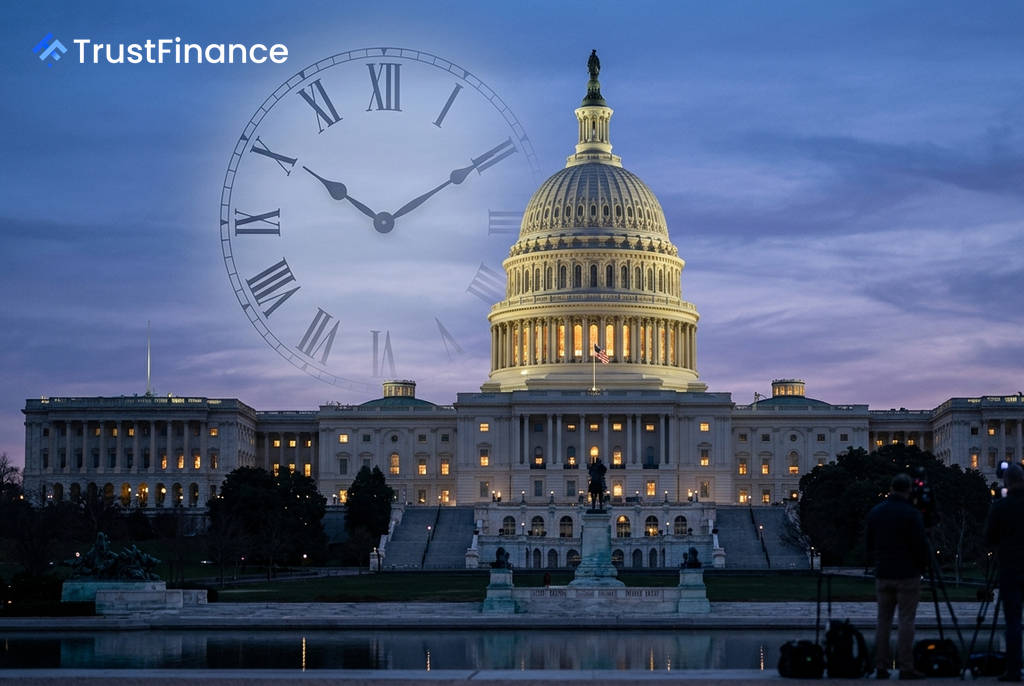
The U.S. House of Representatives has voted to end the biannual changing of clocks, sending legislation to the Senate that would establish permanent daylight saving time across the country.
The U.S. House of Representatives voted overwhelmingly on Tuesday to pass legislation that would make daylight saving time permanent, potentially ending the twice-yearly practice of changing clocks. The bill, known as the Sunshine Protection Act, passed with a strong bipartisan majority of 308-117 and now heads to the Senate for consideration.
The Proposal
If enacted, the measure would prevent clocks from falling back to standard time in November. The legislation includes a provision allowing individual states to opt out and remain on standard time year-round, a choice currently exercised by Hawaii and Arizona.
The bill has the strong backing of President Donald Trump, according to a Reuters report. The move follows a House Energy and Commerce Committee vote of 48-1 in favor of the act in May. On Monday, lawmakers rejected an alternative proposal to make standard time permanent.
Economic and Social Implications
Proponents of the bill argue that ending the time shift could have tangible economic benefits and improve public health. They cite potential boosts to consumer spending and economic activity in retail and leisure sectors due to brighter evenings, particularly during winter months.
 Ad
AdAdvocates also point to studies suggesting the time changes contribute to sleep disturbances, an increase in workplace injuries, and more traffic accidents. Eliminating these could lead to productivity gains and lower associated costs. However, opponents express concern over late winter sunrises, which could negatively impact school schedules and industries that rely on early morning daylight.
Legislative Hurdles and Context
This is not the first attempt to lock the clocks. The U.S. Senate unanimously passed a similar bill in March 2022, but the measure was never taken up by the House at the time.
Despite the strong House vote, the bill still faces opposition in the Senate. Critics, including Senator Tom Cotton, have warned that permanent daylight saving time would force children to go to school in the dark across much of the country. A similar experiment with year-round daylight saving time was enacted in 1974 to save energy but was quickly repealed due to widespread unpopularity.
Read next
More on Commodities
Oil Prices Edge Lower as Middle East Supply Concerns Ease
Crude oil benchmarks fell slightly as reports of Saudi Arabia rerouting shipments and U.S.-Houthi dialogue offset a hawkish Federal Reserve and lingering regional tensions.

US Eases Hours-of-Service Rules for Fuel Truckers Amid Supply Concerns
The Department of Transportation has issued a 90-day waiver allowing fuel truck drivers to work longer hours, a response to record diesel prices and fears of potential supply chain disruptions.

Oil Prices Fall as Saudi Arabia Reroutes Crude, Easing Supply Fears
Oil prices continued their decline after reports that Saudi Arabia is offering additional crude cargoes via Oman, mitigating fears of supply disruptions from recent pipeline attacks. A smaller-than-expected draw in U.S. inventories also weighed on the market.

European Gas Prices Surge 5% as JERA CEO Warns of Critically Low Reserves
European and UK natural gas prices jumped nearly 5% on Monday, hitting multi-year highs amid worsening Mideast shipping disruptions and a stark warning from a major LNG buyer about critically low storage levels.