
Story
U.S. and Iran Exchange Strikes as Tehran Claims Closure of Strait of Hormuz
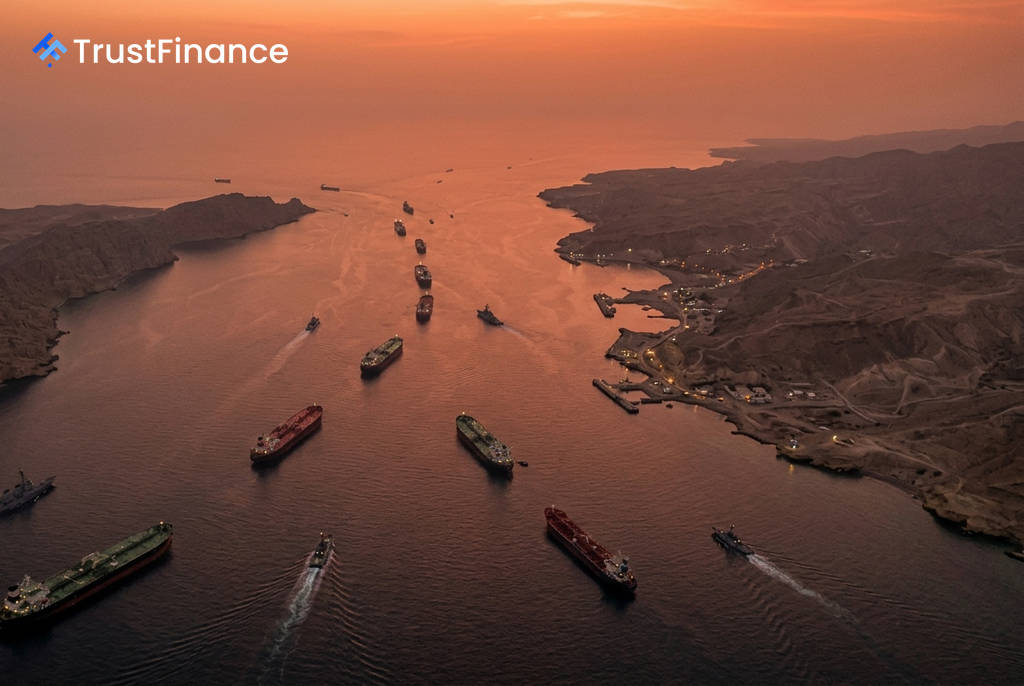
The United States and Iran exchanged a series of heavy missile and drone assaults over the weekend, with Tehran targeting U.S. military facilities in several Gulf nations and declaring the vital Strait of Hormuz closed to shipping. The hostilities mark the collapse of a recent ceasefire and threaten to destabilize a region critical to global energy markets.
Widespread Military Escalation
U.S. Central Command stated that its forces struck 140 Iranian military targets on Saturday, bringing the total to over 300 during three nights of strikes intended to "degrade Iran’s ability to attack civilian mariners." Iranian state media reported explosions in several port cities.
In retaliation, Iran’s Revolutionary Guards claimed responsibility for a broad set of attacks on U.S. and allied targets, including:
- A command and control center and drone hangars in Jordan.
- A U.S. radar site in Kuwait.
- U.S. aircraft carrier support platforms in Oman.
- A jet maintenance center and command facility in Qatar.
The strikes had tangible consequences across the region. Qatar's government reported three injuries from falling shrapnel, while Jordan’s state news agency confirmed three missiles landed in its territory, causing minor material damage. The United Arab Emirates also said its defense systems engaged missiles and drones from Iran.
Strait of Hormuz in Focus
 Ad
The conflict has centered on the Strait of Hormuz, a chokepoint for about one-fifth of the world's oil and liquefied natural gas (LNG) shipments. Iran announced it had closed the strait after striking a vessel it said was on an unapproved route. The Revolutionary Guards declared the waterway would remain closed until "the end of U.S. interference in this region."
However, U.S. Central Command disputed a full closure, stating that commercial vessels continue to transit through the waterway. The escalation followed several recent attacks on commercial ships, including the GFS Galaxy, after which one Indian national was reported missing, according to India's Ministry of External Affairs.
Diplomatic and Market Fallout
The renewed fighting effectively ends a fragile U.S.-Iranian interim agreement signed last month. President Donald Trump declared an end to the ceasefire but left the door open for negotiations. In a sharp rebuke, Iran’s top negotiator, Mohammad Baqer Qalibaf, posted on X, "The era of one-sided deals is OVER...keep your word or pay the price."
The instability and Iran's effective blockade have reportedly caused energy prices to surge, fueling global inflation. The rising cost of fuel is a politically sensitive issue for President Trump ahead of the upcoming congressional elections. Mediation efforts by Qatar and Pakistan appear to be under severe strain, particularly after the direct attack on Qatari territory.