
Story
Saudi Arabia to Establish Crude Oil Storage Hub in Singapore by 2027
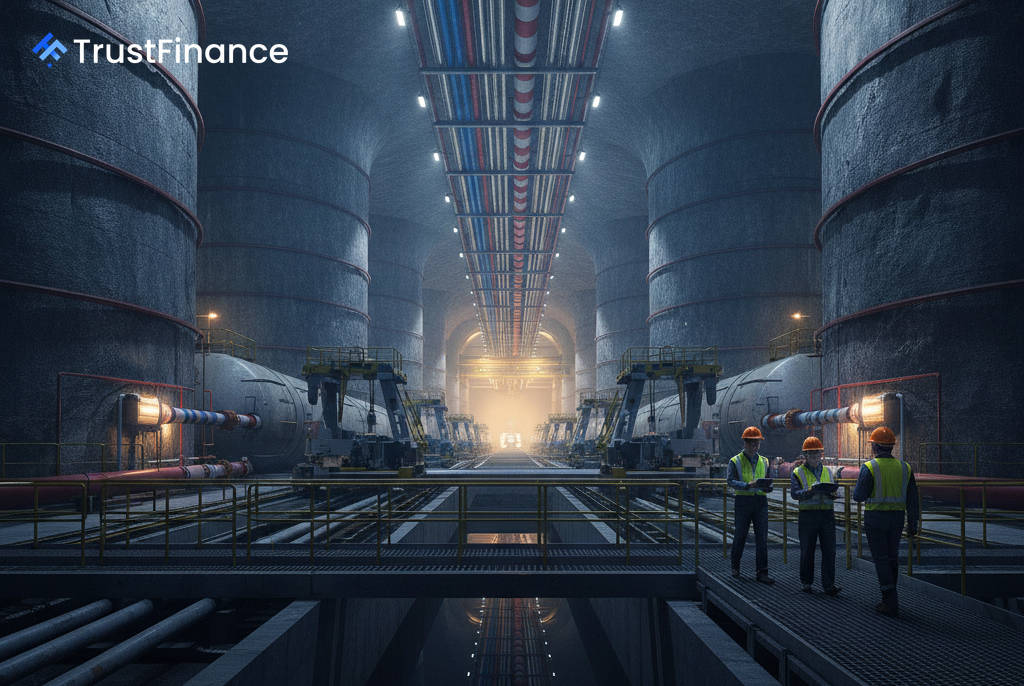
Saudi Arabia will store crude oil in Singapore starting in the second half of 2027, establishing a strategic hub to enhance supply chain resilience for its customers in Asia. The plan was announced Monday by the energy ministers of both nations at the Singapore International Energy Week conference.
Details of the Agreement
The arrangement will utilize Singapore's Jurong Rock Caverns, a subterranean storage facility with a capacity of 1.47 million cubic meters, equivalent to approximately 9 million barrels of liquid hydrocarbons. State-owned oil giant Saudi Aramco is set to sign a memorandum of understanding with Singapore's Energy Market Authority and JTC Corporation to formalize the deal, with negotiations expected to conclude within a few months.
"Bringing supply closer to key Asian markets would strengthen the flexibility of our supply network and support Singapore’s security of supply and preparedness," Saudi Energy Minister Prince Abdulaziz bin Salman Al-Saud stated in a video message at the conference. Singapore's energy minister, Tan See Leng, added that the partnership "enhances the resilience of the Saudi crude oil supply chain in Southeast Asia."
Market Implications and Strategic Rationale
This move represents a significant effort by the world's largest oil exporter to de-risk its supply chain to Asia, its primary market. By positioning strategic reserves in Singapore, a major global energy trading hub, Saudi Aramco can more effectively mitigate potential disruptions in key maritime chokepoints like the Strait of Hormuz and ensure a more stable flow of crude to regional refiners.
 Ad
For energy markets, the presence of a Saudi-controlled stockpile in Southeast Asia provides a buffer against supply shocks, potentially helping to stabilize prices during periods of geopolitical tension. The decision reinforces Singapore's status as a critical node in global energy logistics and security.
Context of Global Storage Expansion
Storing crude in Singapore expands Saudi Aramco's existing network of strategic storage facilities in Asia, which is designed to keep inventories closer to major consumers. The company already has similar arrangements in place in other key markets:
- Japan: Aramco stores crude in Okinawa, with a capacity of 8.2 million barrels under an agreement with Japan Oil, Gas and Metals National Corp.
- South Korea: A 2023 deal with Korea National Oil Corp allows for the storage of 5.3 million barrels of Saudi crude in reserve facilities in Ulsan.
These agreements typically grant the host nation priority access to the oil during a supply emergency, bolstering their national energy security.
Read next
More on Commodities
U.S. Crude Inventories Post Surprise Draw While Gasoline Stocks Swell, EIA Reports
U.S. crude oil stockpiles fell unexpectedly last week, driven by a surge in exports, while gasoline inventories saw a significant build amid weakening demand, according to the latest EIA data.

UBS Raises Year-End Brent Forecast to $110 on Middle East Supply Risks
UBS has increased its year-end forecast for Brent crude to $110 per barrel, citing escalating supply risks in the Middle East, declining global inventories, and record-high freight costs.
Iran Dismisses Latest Qatari Peace Proposal as 'Unacceptable'
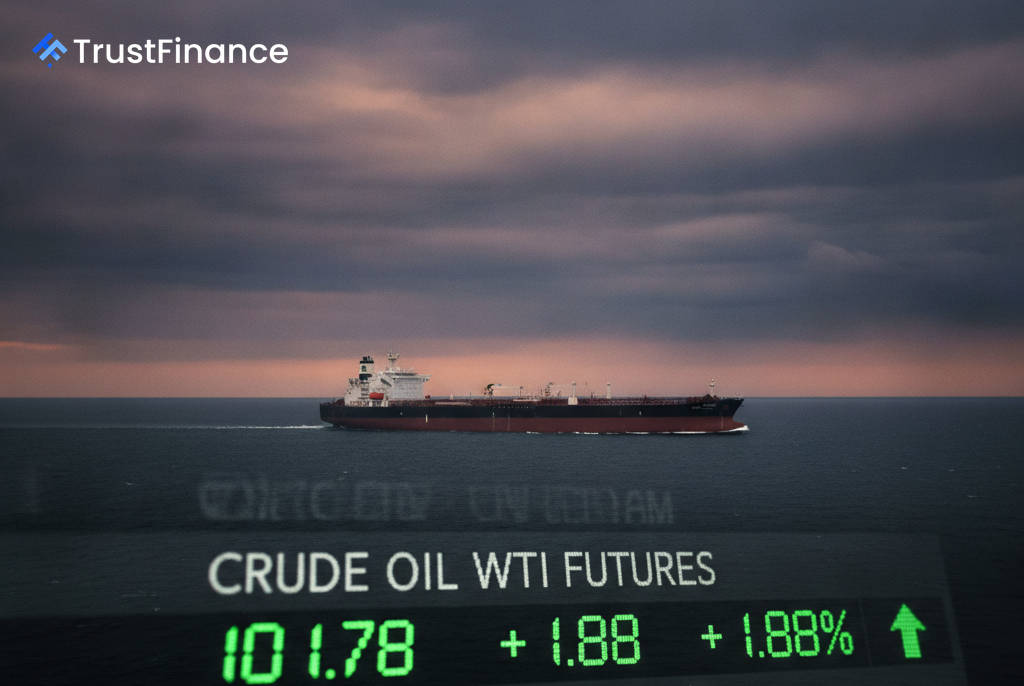
A senior Iranian official has rejected the latest Qatari-mediated draft deal to end the eight-month war, calling the ideas 'unacceptable' and signaling a continued diplomatic impasse. The news comes amid rising oil prices following attacks on Saudi energy infrastructure.

Argentina Poised to Gain EU Soymeal Market Share as Deforestation Rules Hit Brazil
Argentina's soybean industry is preparing to capture a larger share of the European Union's soymeal market as new EU anti-deforestation rules are expected to disrupt exports from rival Brazil.