
Story
Samsung, SK Hynix Shares Rebound Sharply After Post-Earnings Plunge
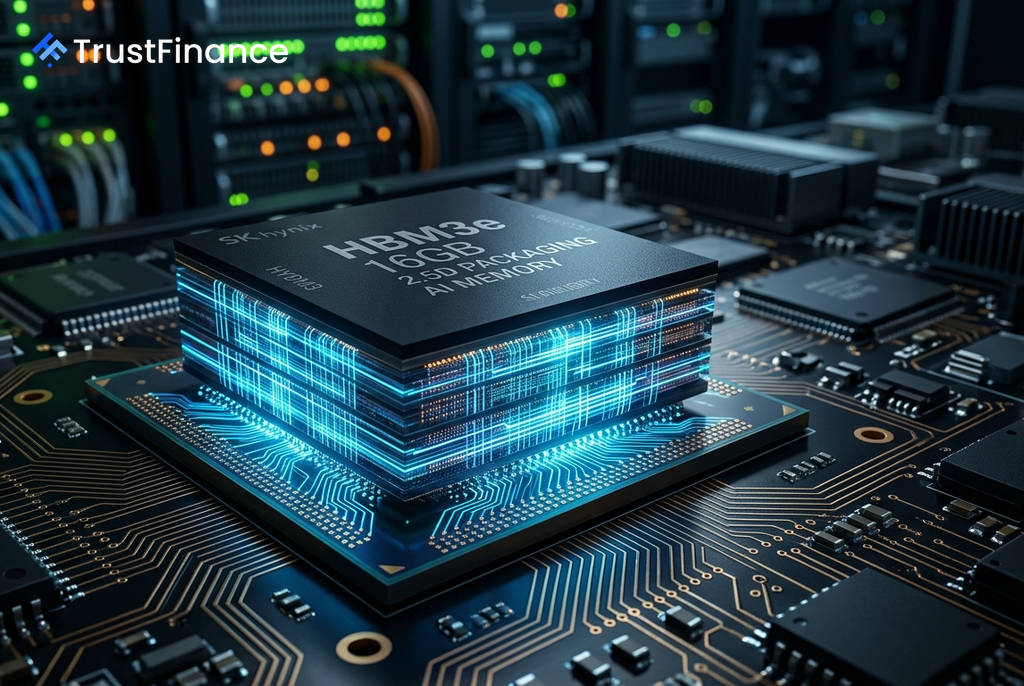
South Korean chipmakers Samsung Electronics and SK Hynix staged a dramatic rebound in Friday's session after a punishing two-day sell-off, highlighting extreme volatility in the semiconductor sector. The sharp recovery followed a market rout where both stocks fell over 30% despite posting exceptionally strong, AI-driven quarterly earnings.
A Volatile Session
In Friday trading in Seoul, shares of Samsung Electronics (KS:005930) closed up 21%, while SK Hynix (KS:000660) soared 25%. The rally clawed back a significant portion of recent losses but left both companies well below their 52-week highs.
The initial sell-off presented a paradox for investors, as it was triggered by financial results that shattered records. The market's negative reaction suggests a focus on forward-looking risks rather than current performance, creating a highly uncertain trading environment.
Record Profits Met With Skepticism
The market's apprehension contrasted sharply with the chipmakers' fundamental performance, which was fueled by surging demand for AI-related hardware.
 Ad
- Samsung Electronics reported a staggering 1,814% year-over-year increase in second-quarter operating profit to ₩89.5 trillion, with memory sales alone jumping 471%.
- SK Hynix announced a record quarterly operating profit, marking a sixfold increase from the previous year.
Despite these figures, investors initially punished the stocks on several concerns. For SK Hynix, worries centered on delayed shipments of advanced products and the absence of a capital return plan. Broader market fears include a potential moderation in AI infrastructure spending by major tech companies and rising competition from Chinese DRAM maker CXMT, which is gaining market share.
The AI Demand Thesis
Bullish investors are focused on what they see as a structural, multi-year demand cycle for AI chips that is unlike previous cycles. Several major developments support this long-term view, including a $200 billion partnership between Samsung and Broadcom through 2030 and a $500 billion-plus AI infrastructure initiative between Nvidia and SK Group.
Analysts at Citi reiterated "Buy" ratings on both firms, citing inventory-to-demand ratios that point toward scarcity, not a surplus. Furthermore, Samsung guided that its HBM4 sales are expected to triple in the third quarter of 2026, with supply constraints likely to persist through 2028. The core debate for the market remains whether the current pace of AI capital expenditure from hyperscalers is sustainable.
Read next
More on Stocks
FTC Orders Walmart, Uber, Delta to Disclose Data on Personalized Pricing
The U.S. Federal Trade Commission is demanding nine major companies, including leading retail, travel, and gig economy firms, to provide information on how they use consumer data for setting individual prices and wages.

Google Launches Gemini 4 Carbon AI Model to Bolster Cybersecurity Capabilities
Alphabet's Google has unveiled Gemini 4 Carbon, its latest AI model specifically designed for advanced cybersecurity tasks like vulnerability detection and secure code generation. The launch escalates competition with rivals OpenAI and Anthropic in the enterprise AI market.

Oracle Shares Surge After Unveiling $225 Billion Revenue Target for 2030
Oracle stock rose sharply after the company presented a long-term financial outlook targeting at least $225 billion in annual revenue by fiscal 2030, driven by its expanding AI infrastructure business.

DOJ Scrutinizes Nvidia's $12.9B Hugging Face Deal Amid Broader Antitrust Probe, Sources Say
The U.S. Department of Justice is reportedly examining Nvidia's planned $12.93 billion acquisition of AI platform Hugging Face as part of a wider, ongoing antitrust investigation into the chipmaker's market conduct.