
Story
OpenAI-Linked Data Center in Australia Scraps Water Recycling Plan, Opts for Energy-Intensive Cooling
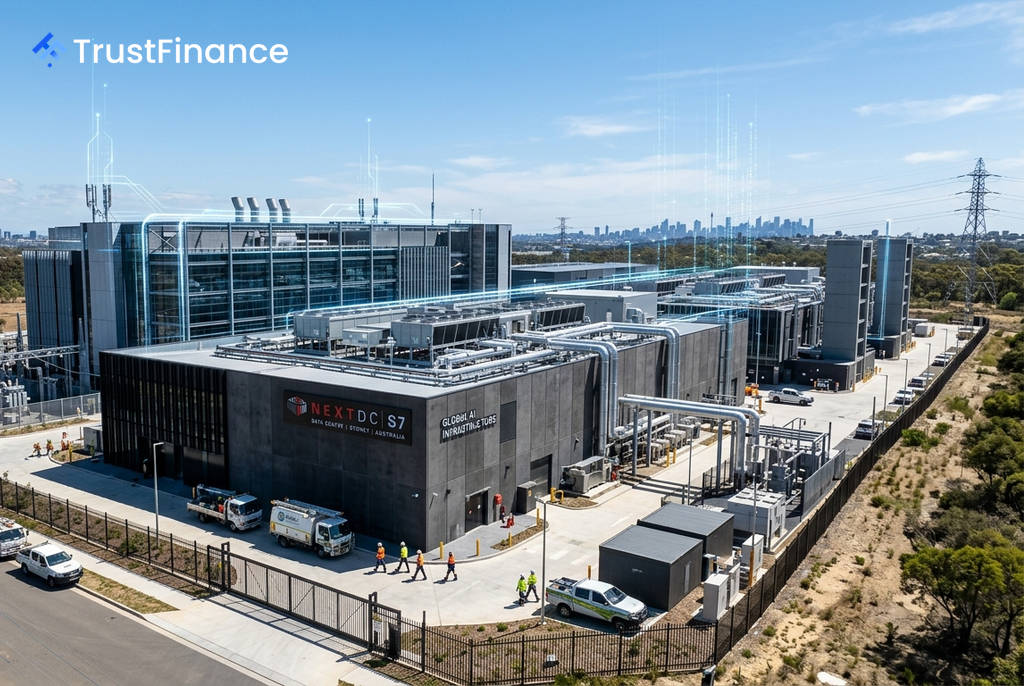
Developers of a large-scale data center in Australia intended for use by OpenAI have reversed plans to cool the facility with recycled water, shifting to a more energy-intensive method, Reuters reported on Thursday. The change highlights the logistical and regulatory challenges facing the development of power-hungry artificial intelligence infrastructure.
Change in Cooling Strategy
OpenAI's Australian partner, NEXTDC, confirmed to Reuters that it had ended discussions with utilities for the project. The decision was made after the company was unable to obtain the necessary planning permission for a pipeline that would have transported recycled water to the data center site.
The original plan for the 612-megawatt S7 facility, outlined in planning documents from April, involved using treated sewage from Sydney to cool its servers. This approach was designed to conserve drinking water and minimize the facility's strain on the local energy grid.
Implications and New Approach
 Ad
With the water recycling plan now off the table, NEXTDC will implement a different cooling system. The company told Reuters it will use a process that circulates liquid coolant directly around the server chips to dissipate heat.
While this direct liquid cooling method consumes no water, it is more energy-intensive than the originally proposed system. This presents a trade-off, shifting the environmental impact from water resources to energy consumption—a critical consideration for investors and operators focused on the sustainability of AI operations.
Context: AI's Growing Resource Demands
The S7 facility is set to be one of the largest data centers in the world, underscoring the massive computational resources required to power advanced AI models. The pivot in its cooling strategy illustrates a key operational hurdle for the rapidly expanding AI industry, which faces increasing scrutiny over its substantial energy and water consumption.
Read next
More on Stocks
FTC Orders Walmart, Uber, Delta to Disclose Data on Personalized Pricing
The U.S. Federal Trade Commission is demanding nine major companies, including leading retail, travel, and gig economy firms, to provide information on how they use consumer data for setting individual prices and wages.

Google Launches Gemini 4 Carbon AI Model to Bolster Cybersecurity Capabilities
Alphabet's Google has unveiled Gemini 4 Carbon, its latest AI model specifically designed for advanced cybersecurity tasks like vulnerability detection and secure code generation. The launch escalates competition with rivals OpenAI and Anthropic in the enterprise AI market.

Oracle Shares Surge After Unveiling $225 Billion Revenue Target for 2030
Oracle stock rose sharply after the company presented a long-term financial outlook targeting at least $225 billion in annual revenue by fiscal 2030, driven by its expanding AI infrastructure business.

DOJ Scrutinizes Nvidia's $12.9B Hugging Face Deal Amid Broader Antitrust Probe, Sources Say
The U.S. Department of Justice is reportedly examining Nvidia's planned $12.93 billion acquisition of AI platform Hugging Face as part of a wider, ongoing antitrust investigation into the chipmaker's market conduct.