
Story
Oil Tanker Rates Reach Record Highs Amid Escalating U.S.-Iran Naval Conflict
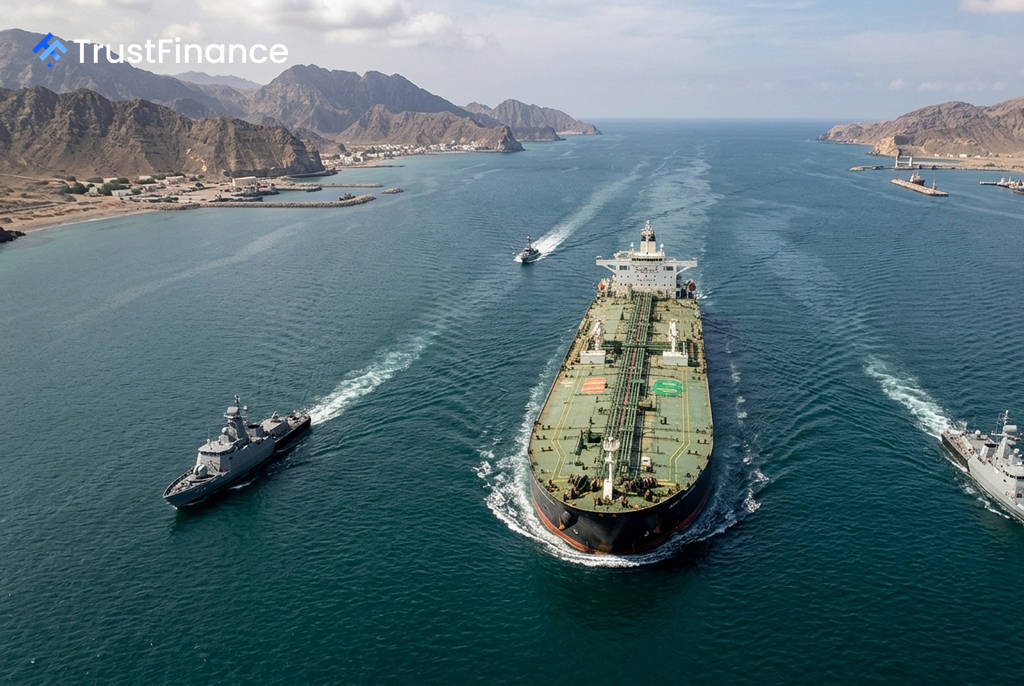
Summary
Freight rates for the largest oil tankers have surged to unprecedented levels following a series of attacks on commercial shipping in the Middle East, fueling concerns over potential inflationary pressures on the global economy.
The cost to charter the world's largest oil tankers has spiked to a record high this week, driven by the most significant escalation in attacks on shipping since the U.S.-Iran conflict began earlier this year. The surge in freight costs highlights the tangible economic impact of the widening geopolitical turmoil in the Middle East.
Heightened Maritime Risk
Recent military actions have dramatically increased the perceived risk of operating in the region. According to a Reuters report, Iran stated on Wednesday that it had attacked 10 ships near the Strait of Hormuz. This followed an incident where the U.S. reportedly sank five Iranian oil tankers.
Compounding the tensions, Iran-aligned Houthi forces in Yemen have reached the strategic island of Perim in the Bab el-Mandeb Strait, four Yemeni government sources told Reuters. This development could tighten their control over another of the world's most critical maritime chokepoints.
Market Impact and Economic Fallout
The direct market impact has been a sharp rise in insurance and shipping premiums. Key data points include:
 Ad
Ad- The rate for Very Large Crude Carriers (VLCCs) loading in the Gulf of Oman for shipment to China hit approximately 450 on the Worldscale basis.
- This is equivalent to roughly $11.50 per barrel, the highest level since the benchmark was launched, according to Baltic Exchange data.
"Renewed attacks between the U.S. Navy and Iran continue to push freight rates around the Gulf to new highs," said Vortexa analyst Ioannis Papadimitriou. He added that the elevated risk of Iranian retaliation is thinning the number of available tankers in the region, further pressuring rates.
Broader Implications
The conflict's effects are rippling beyond the Middle East, with VLCC rates on the West Africa to Asia route also reaching record highs. If these elevated shipping costs persist, they could translate into higher energy prices and add to global inflationary pressures, increasing costs for businesses and consumers worldwide.
Read next
More on Commodities
Oil Prices Retreat as China Urges Iran to Curb Houthi Attacks on Saudi Facilities
Crude oil futures fell on Friday after reports that China, at Saudi Arabia's request, pressured Iran to rein in Houthi attacks, easing some geopolitical supply fears. However, ongoing pipeline disruptions and refining constraints continue to support the market.

Oil Prices End Two-Week Rally on Easing Mideast Supply and Diplomatic Hopes
Crude oil benchmarks posted their first weekly loss in three weeks as concerns over a Saudi pipeline outage abated and signs of potential U.S.-Iran diplomacy emerged.

CBOT Wheat Futures Ease on Hopes for Black Sea Shipping Truce
Wheat futures closed lower on Thursday, influenced by reports of a potential diplomatic solution for Black Sea grain exports and U.S. export sales data that met market expectations.

New Screwworm Case in New Mexico Casts Doubt on Livestock Port Reopening
The U.S. Department of Agriculture has confirmed a new case of the flesh-eating screwworm parasite in a New Mexico horse, creating uncertainty around the planned reopening of a key livestock trade port with Mexico.