
Story
Oil Prices Surge as Middle East Tensions Stoke Supply Disruption Fears

Oil prices surged on Friday, with global benchmark Brent crude futures approaching their highest level since May, as heightened geopolitical tensions in the Middle East sparked fears of significant disruptions to global energy supplies.
Market Jitters Drive Gains
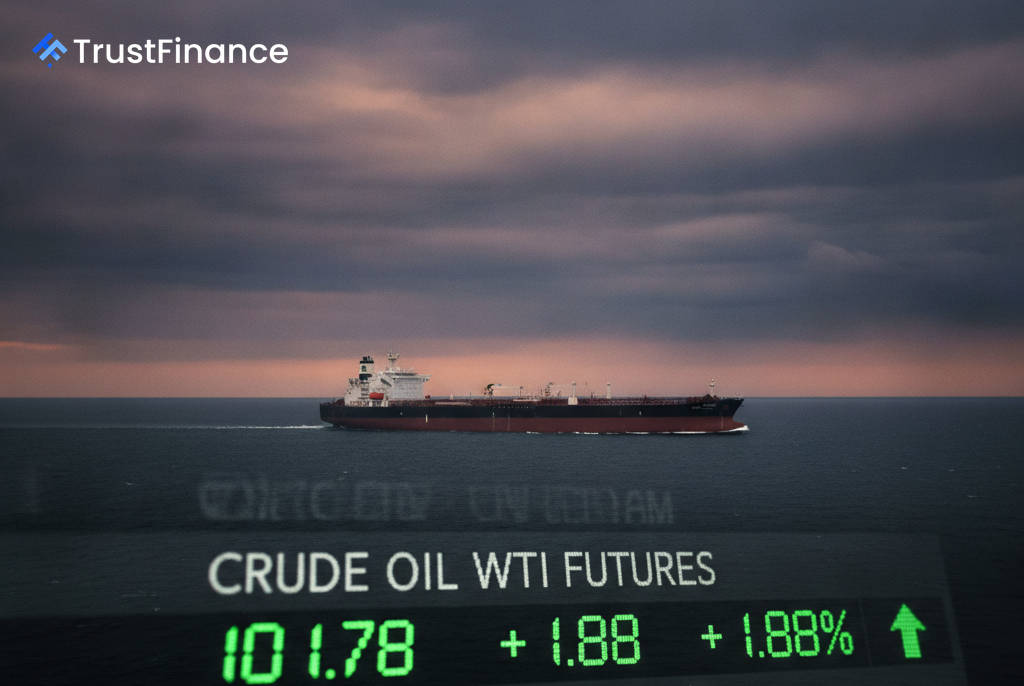
Benchmark Brent crude futures climbed 2.8% to settle at $116.93 a barrel, positioning the contract for a weekly gain of over 5%. U.S. West Texas Intermediate (WTI) crude futures saw a similar rise, adding 3.0% to reach $102.46 a barrel, on track for a weekly increase of more than 1%.
Analysts noted the rally is being fueled by potential future events rather than current market fundamentals. "The rally is being driven less by current fundamentals than by mounting supply concerns," analysts at ING stated in a research note. "Markets are increasingly worried about renewed escalation in the Persian Gulf, a scenario that could threaten oil flows that have so far remained remarkably resilient."
Geopolitical Flashpoints
The primary driver for the market's anxiety is a series of escalating conflicts and reports from the Middle East. Key developments include:
 Ad
- Reports from The Wall Street Journal suggesting the U.S. and Israel are weighing new attacks on Iran following the U.S. midterm elections.
- Threats of retaliation from Tehran against any new strikes, which could include targeting economic and civilian assets, according to the same report.
- Continued attacks by Houthi militants on sites in Saudi Arabia, which led state-owned oil giant Saudi Aramco to order the evacuation of its headquarters in Dhahran on Thursday.
These tensions are raising concerns among traders that a recent rebound in oil exports from the Gulf region could be jeopardized. The Wall Street Journal, citing shipping data, had reported earlier in the week that oil flows from the area had increased since a joint U.S.-Israeli assault on Iran in late February.
Other Supply Constraints
Adding to the global supply concerns, Reuters reported that an oil pipeline valve in Libya has been shut down. The valve connects the Hamada and Tahara oilfields to the Zawiya port, and its closure has decreased output from both sites, according to the head of Libya's National Oil Corporation.
Read next
More on Commodities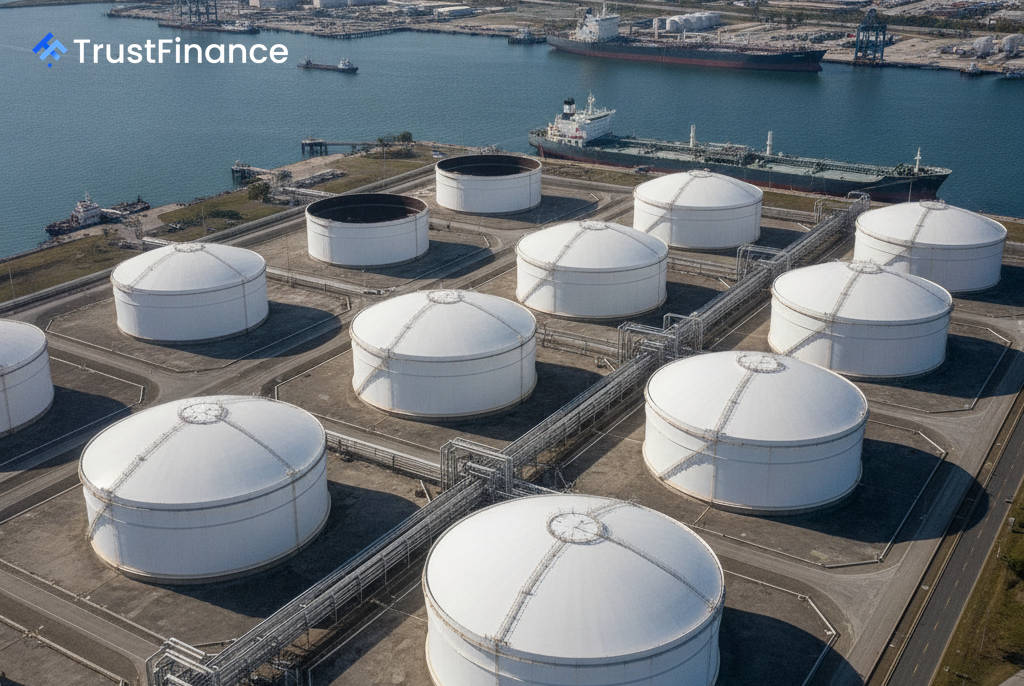
U.S. Crude Inventories Post Surprise Draw While Gasoline Stocks Swell, EIA Reports
U.S. crude oil stockpiles fell unexpectedly last week, driven by a surge in exports, while gasoline inventories saw a significant build amid weakening demand, according to the latest EIA data.

UBS Raises Year-End Brent Forecast to $110 on Middle East Supply Risks
UBS has increased its year-end forecast for Brent crude to $110 per barrel, citing escalating supply risks in the Middle East, declining global inventories, and record-high freight costs.
Iran Dismisses Latest Qatari Peace Proposal as 'Unacceptable'
A senior Iranian official has rejected the latest Qatari-mediated draft deal to end the eight-month war, calling the ideas 'unacceptable' and signaling a continued diplomatic impasse. The news comes amid rising oil prices following attacks on Saudi energy infrastructure.

Argentina Poised to Gain EU Soymeal Market Share as Deforestation Rules Hit Brazil
Argentina's soybean industry is preparing to capture a larger share of the European Union's soymeal market as new EU anti-deforestation rules are expected to disrupt exports from rival Brazil.